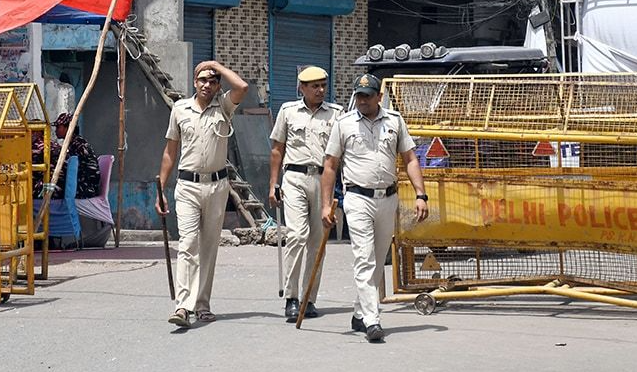
The Centre has asked the Delhi Gymkhana Club to hand over its 27.3-acre Lutyens’ Delhi premises by June 5, saying the land is urgently needed to beef up and secure defence infrastructure. The club has been based there since 1913 and the move has sparked legal and public controversy.
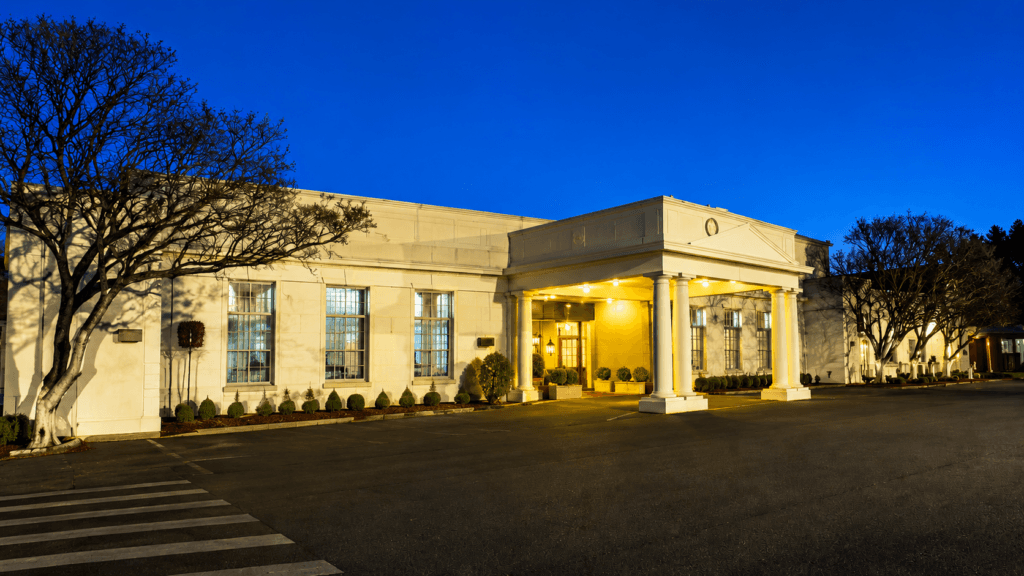
The Delhi Gymkhana Club in Lutyens’ Delhi has been ordered to vacate its 27.3-acre premises by June 5.
In a significant land and governance development in the heart of New Delhi, the center has directed Delhi Gymkhana Club to vacate its premises by June 5, citing national security and defense-related requirements. The order concerns the club’s 27.3-acre plot at 2, Safdarjung Road, one of the most strategically sensitive and high-value land parcels in Lutyens’ Delhi.
The directive, issued by the Land & Development Office under the Union Housing and Urban Affairs Ministry, says the site is required for “strengthening and securing defense infrastructure” and other public security purposes. The club, which has stood at the location since 1913 and has long been associated with elite social and sporting circles, now faces a major legal and institutional challenge. Yeh issue kaafi important hai because it involves not just a club but also one of Delhi’s most valuable pieces of land in a highly sensitive zone.
Why the Centre Took Action
According to the order, the plot is located in a highly sensitive and strategic area and is “critically required” for governance infrastructure, defense strengthening, and public-interest projects. The L&DO said the land is essential for urgent institutional needs and the resumption of adjoining government lands, which suggests the decision is tied to broader state planning rather than a narrow administrative dispute. NDTV has covered the full story.
The order also states that the lease had originally been granted for a specific purpose: to operate a social and sporting club. Over time, however, the site’s location has become even more strategically important because it sits in the administrative core of the national capital, near the Prime Minister’s residence on Lok Kalyan Marg and other important central institutions. In simple words, jagah ka value sirf commercial nahi, security ke hisaab se bhi bahut high hai.
The Centre has invoked Clause 4 of the Lease Deed, saying it has determined the lease and ordered re-entry with immediate effect. That legal language is important because it shows the government is relying on the original terms of allotment, not making an entirely new claim. In such cases, the lease conditions become the central point of dispute, and the court or appellate process usually examines whether the re-entry is justified under law.
What the Order Says
The letter issued on May 22 makes the Centre’s position very clear. It says that upon re-entry, the entire 27.3-acre land parcel, along with all buildings, structures, lawns, and fittings, will vest absolutely in the lessor, who is the President of India through the L&DO. The club has been directed to hand over peaceful possession on June 5.
The order also warns that if the club does not comply, possession will be taken in accordance with law. That means the government is prepared to enforce the directive if the club refuses to vacate. Such language is not casual; it usually signals that the administrative process has moved into a final stage.
This is not just about a club losing its address. It is about a government asserting that an area of national importance should be returned for public use. Because the site is in central Delhi and adjacent to sensitive government zones, the order is being framed as a matter of defense and public security rather than simply one of land management.
Club’s Response
A member of the Delhi Gymkhana Club, Siddharth, said the club intends to challenge the order through an appeal. He argued that there is no security or other threat linked to the premises and suggested that the observations in the order should be reconsidered.
His statement reflects the club’s likely position: that the land has been used for a legitimate and long-standing purpose and that there is no immediate reason to describe it as a security concern. He also said that if a court directs compliance, the club will follow it. That is an important distinction because it suggests the club may contest the order legally while still acknowledging the authority of the judicial process.
The club’s response points toward a possible legal battle. It may argue that the lease terms, historical use, and lack of direct threat should protect its continued occupation. On the other hand, the government is likely to argue that the site’s strategic value outweighs private or institutional convenience. This is where the case becomes significant not only for the club but also for land governance in Delhi as a whole.
Background of the Club
Delhi Gymkhana Club has a long history in the capital. Founded during the British era, it began functioning at the site in 1913 under the name Imperial Delhi Gymkhana Club. After Independence, it was renamed Delhi Gymkhana Club, while the existing structures were built in the 1930s.
That historical background makes the case especially sensitive. The club is not just a social institution; it is part of Delhi’s colonial and post-colonial urban history. Many such institutions occupy prime central land in India’s capitals and major cities, and over time their original purpose, legal status, and strategic relevance can come under fresh scrutiny.
Lutyens’ Delhi itself is one of the most important administrative and symbolic zones in the country. It houses top government institutions, high-security residences, and crucial diplomatic and official spaces. A 27.3-acre parcel in that area is therefore not ordinary land. It is a high-stakes asset, and the state’s interest in it is very different from that in a suburban club or commercial property.
Timeline
1913: The site begins functioning as Imperial Delhi Gymkhana Club.
1930s: Existing structures on the premises are built.
After Independence: The club is renamed Delhi Gymkhana Club.
May 22: L&DO issues a letter asking the club to hand over the premises by June 5.
June 5: Deadline set for peaceful handover of the land.
After the order: The club says it will challenge the decision through appeal.
Also Read: Pune Metro Coach Leakage During Heavy Rain Sparks Commuter Concerns
Why This Matters
This matters because it involves land use, public security, and the future of a historic institution in India’s most politically sensitive urban zone. When land in Lutyens’ Delhi is shifted from private or semi-private use back to government control, the decision can reshape how the capital’s core infrastructure is planned. Yeh issue kaafi important hai because it directly affects how Delhi balances heritage, exclusivity, and national security.
It also matters because this could set a precedent for how long-standing leases in strategic areas are reviewed. If the government is able to reclaim land on the basis of lease conditions and public necessity, other similar properties may also come under scrutiny. For citizens, this raises a larger question about whether valuable urban land should remain with legacy institutions or be repurposed for state priorities.
India Angle
For Indian readers, this is not just a Delhi club story. It is a story about how India manages its most valuable urban land, especially in areas tied to governance and defense. Many Indian cities have old institutional land parcels that were allotted decades ago, often under very different geopolitical and urban conditions. As the country grows, the pressure to re-evaluate such land becomes stronger.
The India angle is also about fairness and public interest. When land in the center of the capital is used for elite recreation, the public naturally asks whether that is still the best use of space. In Hinglish, seedhi baat yeh hai: agar jagah security aur governance ke liye zyada important ho gayi hai, toh government ka interest strong hoga hi. The challenge is to balance history, legality, and public need without turning the issue into a simple social status debate.
Analysis
My opinion is that this is more than an eviction notice. It is an example of how urban land, especially in a capital city, is never just physical space; it is symbolic, strategic, and political. The center’s language about defense infrastructure and security suggests the decision is rooted in national priorities, but the club’s expected appeal means this is unlikely to end quickly. The real test will be whether the legal record supports the government’s re-entry action and whether the transition, if it happens, is handled cleanly. In such high-profile cases, process matters as much as outcome. If the government wants public confidence, it will need to show not only authority but also procedural fairness.
What Next
The next step will likely be a legal appeal from the Delhi Gymkhana Club. That appeal may seek a stay on the handover deadline or challenge the interpretation of the lease terms. If the matter reaches court, judges will likely examine the lease deed, the land’s current strategic importance, and whether the government’s decision satisfies legal standards.
If the club does not secure relief, the premises could be taken over by the government after June 5. In that scenario, the transfer may become one of the most closely watched land actions in central Delhi in recent years. If the club does win interim protection, the case could stretch into a longer legal battle. Either way, the coming days will determine whether this remains an administrative order or becomes a major courtroom dispute.
Conclusion
The center’s decision to ask the Delhi Gymkhana Club to vacate its Lutyens’ Delhi premises by June 5 is a major development with legal, historical, and strategic significance. The 27.3-acre plot has been at the club’s disposal for more than a century, but the government now says the land is needed to strengthen defense infrastructure and public security.
The club has said it will appeal, which means the matter is likely far from over. Still, the order has already brought attention back to how India manages prime central land in sensitive zones. This is not only a property issue; it is a question of governance, security, and urban priorities in the heart of the capital.
Written By A. Jack