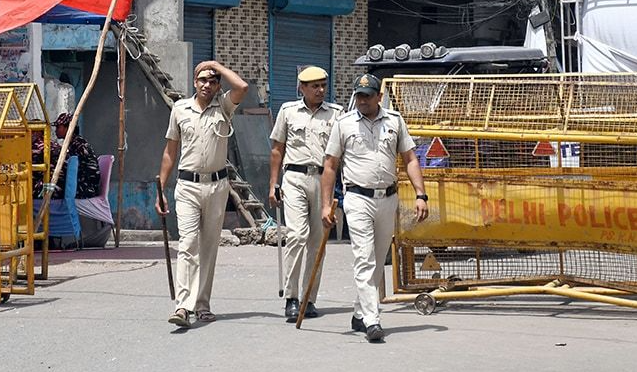
The girl’s last words, “Papa mujhe bacha lo” has left Delhi shaken as police traced the suspect through CCTV, GPS and mobile location data. The accused was arrested within four hours and was later shot in the leg after allegedly attempting to escape from custody.
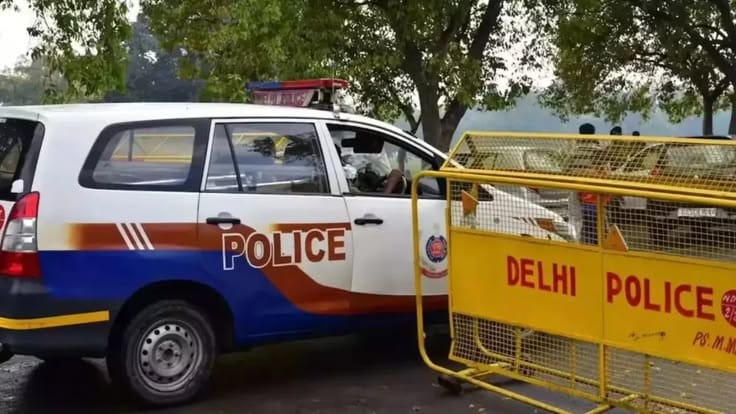
Police investigators examine the route linked to the kidnapping, rape and murder of a 10-year-old girl in South Delhi. Image Credit: SMTV India
Delhi is reeling after a 10-year-old girl was kidnapped from a pavement in South Delhi, raped and killed by a cab driver identified as Bablu, police said. The child was sleeping with her parents and three siblings on Monday night when the accused, reportedly heavily intoxicated, stopped his white hatchback, picked her up and drove away. The girl’s last words, “Papa mujhe bacha lo” (“Father, save me”), were heard by her family before the suspect fled, triggering a desperate search and a four-hour investigation that ended with his arrest.
How the Crime Unfolded
According to police, Bablu was waiting for a ride in his app-based cab when he noticed the girl sleeping on the pavement. He allegedly took the child and placed her in his car. The father woke up after hearing screams and immediately chased the vehicle, but the cab was already out of reach. That split-second gap changed everything. NDTV has covered the full story.
The child’s father then alerted the police control room, which set in motion a large-scale search operation. Investigators scanned CCTV footage, tracked vehicle movement and checked ride-hailing trip data for the area. Although the registration number was not visible at first, police say they noticed that the white hatchback had been parked at the spot for nearly an hour before the kidnapping. The car reached the location around 4 am, and the child was abducted roughly an hour later, around 5 am.
That timeline matters because it suggests the accused may have remained in the area long enough to observe the family and wait for an opportunity. Police eventually traced the car to the Vikaspuri area in West Delhi using GPS and the accused’s mobile location.
Confession and Alleged Murder
During interrogation, Bablu allegedly confessed to kidnapping the girl, driving nearly 20 kilometers to the Gurugram-Faridabad Road, taking her into a secluded wooded area, raping her and then strangling her with a scarf. He reportedly left the body at the crime scene before resuming work as though nothing had happened.
That detail is especially disturbing. Police source reports say he picked up and dropped off another passenger after the crime and behaved normally, showing no outward sign of what had happened. In other words, the accused allegedly returned to routine activity after committing one of the most heinous crimes possible. Yeh fact kaafi important hai because it highlights how predators can sometimes move through public spaces unnoticed.
The accused, a native of Bihar, has five prior cases of assault and fighting registered against him there, according to police. He also has a wife and children in Bihar. Investigators are now looking into how he was hired through an app-based taxi platform despite that background.
Arrest, Encounter and Investigation
Police said Bablu was arrested within four hours of the child’s kidnapping after the rapid CCTV-led search. On Tuesday, when officers were taking him to the crime scene, he allegedly attempted to escape from custody. During the encounter, police shot him in the leg.
The sequence of the arrest is being closely watched because it raises questions about policing, safety protocols and the risks involved in taking accused persons back to the scene. Police are expected to issue notices to app-based taxi service providers, asking how a man with a known criminal history could be working in the system.
This angle is important because the case is not only about one horrific crime. It is also about gaps in hiring, monitoring and background checks in the urban transport ecosystem. If a person with multiple previous assault cases can still obtain driving work in a major city, then the system itself needs a hard look.
Background and Context
This case has shocked Delhi because it combines several of the city’s deepest anxieties: child safety, street homelessness, night-time vulnerability and the misuse of app-based mobility services. Families sleeping on pavements are among the most exposed groups in urban India. They often have no physical protection, limited access to toilets or shelter and almost no buffer against sudden threats.
The fact that the family was sleeping outdoors also reflects a wider social reality. In many Indian cities, the poorest households remain vulnerable to crimes precisely because they live in public, open spaces. Children in these settings are more exposed, and the late-night and early-morning hours often bring the highest risk. That is why this story has sparked such outrage.
It is also a reminder that technology is not a solution by itself. Ride-hailing apps make urban transport easier, but they can also become tools for offenders if identity checks and background screening are weak. The app-based system in this case is now under scrutiny, and rightly so.
Timeline
Monday night: The girl sleeps on a pavement in South Delhi with her parents and three siblings.
Around 4 am: A white hatchback arrives and remains parked in the area for nearly an hour.
Around 5 am: The cab driver allegedly kidnaps the girl after hearing her screams wake the family.
Immediately after: The father chases the car and alerts the police control room.
Within four hours: Police trace the vehicle using CCTV, GPS and mobile data and arrest the accused in Vikaspuri.
During interrogation: The accused allegedly confesses to raping and killing the child near the Gurugram-Faridabad Road.
Tuesday: The accused allegedly tries to escape during a trip to the crime scene and is shot in the leg.
Afterward: Police prepare notices for app-based taxi service providers over hiring and screening failures.
Why This Matters
This matters because it is a child safety emergency, a policing issue and a public accountability issue all at once. The victim was only 10 years old, and the crime was committed in a place where she should have been safest — with her family. When a child can be abducted from a pavement in the middle of the night, the whole city is forced to confront how vulnerable its most exposed residents really are.
It also matters because the incident could reshape public debate around app-based taxi regulation. People trust these services with daily transport, and that trust depends on strict screening, monitoring and accountability. If background checks can fail this badly, then the industry must answer serious questions. Yeh issue kaafi important hai because it affects not just one family but urban safety more broadly.
India Angle
For Indian readers, this tragedy hits hard because it reflects risks that exist in many cities, not just Delhi. Families sleeping outdoors, poor lighting, weak last-mile policing and patchy transport checks are issues seen across urban India. In Hinglish, seedhi baat yeh hai: jab system mein gaps hote hain, toh sabse pehle vulnerable log hi suffer karte hain.
The case also speaks to the growing role of app-based cabs in Indian daily life. Millions of people use them every day, so the expectation of safety is naturally high. When a criminal history slips through, it becomes a nationwide concern. Indian cities need better screening, better driver accountability and better nighttime protection for homeless families.
Reported Police Statements
Police sources said the accused was “heavily intoxicated” and had been waiting for a ride when he noticed the child sleeping. They also said the vehicle had been parked at the same spot for about an hour before the kidnapping, which helped investigators narrow down the time window.
A police source told PTI that the accused “picked up and dropped a passenger after the crime and appeared to be behaving normally,” suggesting he made no immediate effort to hide his actions through visible panic. That detail makes the case even more chilling because it indicates premeditation or at least a dangerous level of detachment.
A child safety advocate would likely describe this as a failure of both protection and prevention. The crime happened because a child was left exposed, but the larger failure is that a repeat offender was allegedly able to work in a system that should have screened him out.
Analysis
My view is that the most alarming part of the case is not only the crime itself but also how quickly normal life resumed for the accused afterward. That is the kind of detail that shocks readers and forces a broader conversation about urban safety and criminal oversight. The background-check angle is also powerful because it connects the crime to institutional accountability.
From a public-policy perspective, the story should trigger immediate review of driver vetting norms, especially for app-based transport platforms. The city cannot rely on technology alone to guarantee safety. Human monitoring, police coordination and strict licensing need to be part of the system.
What Next
Police will continue investigating every step of the case, including the app-based cab company’s hiring process and the accused’s criminal record. Notices to service providers are likely to focus on whether background checks were done properly and whether previous cases should have prevented employment.
The legal process will now move into evidence collection, forensic confirmation and prosecution preparation. The accused’s confession, CCTV trail, GPS data and mobile location will likely form the backbone of the case. At the same time, the police encounter during the attempted escape may also be examined as part of the case record.
For the public, the next phase will be about accountability. Families will want to know how such a man was able to drive for a cab service and what changes will stop this from happening again. That answer will matter far beyond this one case.
Conclusion
The kidnapping, rape and murder of a 10-year-old girl in Delhi have left the city and the country horrified. From the child’s last words, “Papa mujhe bacha lo,” to the accused cab driver’s confession and arrest, every detail of the case points to a devastating failure of safety, oversight and human decency. As police investigate the crime, the bigger question now is how to protect the most vulnerable people in urban India from such horrors in the future.
Written By A. Jack