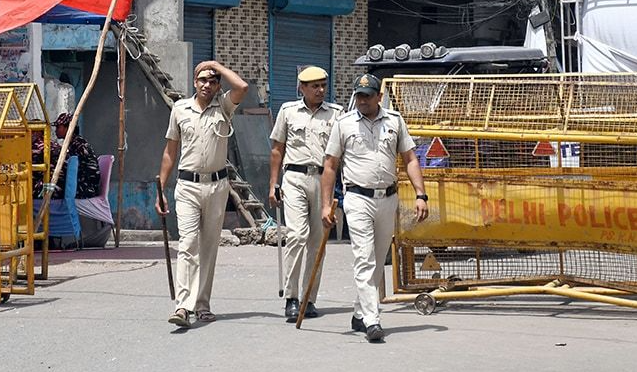
Delhi has started a major Rs 55-crore drainage project in Narela to tackle recurring waterlogging before the monsoon intensifies. The 9.5-kilometer precast drainage network is expected to improve rainwater flow along the Narela-Bawana Road and ease long-standing civic problems for residents and businesses.
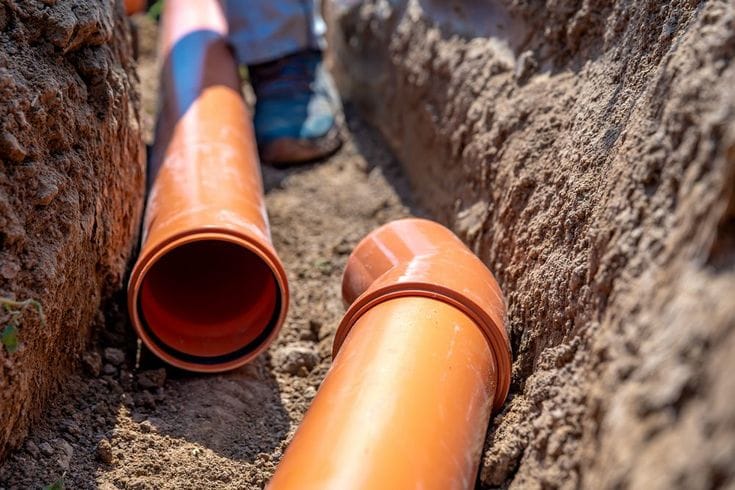
Construction work is underway on the Narela-Bawana Road drainage project, where precast concrete units are being installed ahead of the monsoon.
The Delhi government has launched a large drainage upgrade in Narela, north Delhi, as part of its wider Drainage Master Plan, with a three-month deadline to complete the work. The Rs 55-crore project covers a 9.5-kilometer stretch along the Narela-Bawana Road and is aimed at reducing the severe waterlogging that regularly disrupts travel and daily life in the area during the monsoon.
The project was inaugurated by Delhi Public Works Department Minister Pravesh Sahib Singh, who said the government is working to modernize infrastructure and improve civic services across the capital. For residents of Narela, Bawana, and nearby localities, this is more than just a roadwork update. It is a much-needed response to a problem that has affected commuters, shopkeepers, industrial units, and local families for years. Yeh issue kaafi important hai because waterlogging in Delhi is not only an inconvenience; it also affects mobility, business, and public safety.
What the Project Includes
The new drainage network is being built using precast concrete blocks, which are being transported from Gujarat and installed day and night to meet the deadline. Officials say the modern design should allow rainwater to flow away faster and prevent the kind of water accumulation that has made the road difficult to use during heavy rainfall. NDTV has covered the full story.
The 9.5-kilometer network is expected to serve as a more durable and efficient drainage solution than older, patchy systems that often struggle under intense monsoon showers. In practical terms, this means fewer road closures, less traffic crawling through flooded stretches, and fewer disruptions for people who rely on the Narela-Bawana route every day. Local reports suggest that during rains, water levels on the road can rise between 1.5 and 2 feet, which makes the route nearly unusable for many commuters.
Why Narela Needs This
Narela and the surrounding belt have long been vulnerable to waterlogging because of rapid development, inadequate drainage, and the pressure of monsoon runoff. Roads that connect residential pockets, industrial zones, and commercial areas can quickly become bottlenecks when rainwater has nowhere to go. The Narela-Bawana Road is especially important because it functions as a key commuter and movement corridor for residents, workers, and transport vehicles.
When a stretch like this floods, the impact goes far beyond the road surface. Traffic snarls worsen, delivery schedules get delayed, school and office travel becomes difficult, and small businesses suffer from reduced footfall. Industrial areas also feel the effect because goods movement slows down. That is why drainage projects in Delhi are not just urban development stories; they are directly linked to productivity and quality of life.
Who Said What
At the inauguration, PWD Minister Pravesh Sahib Singh said the government is continuing efforts to modernize Delhi’s infrastructure and improve civic facilities across the city. That statement reflects the political and administrative goal behind the project: to show that drainage and road infrastructure are being treated as priorities before the monsoon season becomes more intense.
Local MLA Rajkaran Khatri was also present along with department officials, public representatives, and residents. Their presence suggests the project has strong local visibility and political significance. Residents and traders in the area, meanwhile, have expressed hope that the work will be completed on time because every monsoon delay means another season of disruption. From a practical point of view, the biggest measure of success here will not be the inauguration photo but whether the road stays usable after the first major rainstorm.
Background
Delhi’s drainage and waterlogging issues have remained a recurring civic challenge for years. Even relatively developed parts of the city often struggle during the monsoon because stormwater systems are outdated, clogged, or unable to handle heavy rainfall. In outer and industrial belts like Narela and Bawana, the problem tends to be even more visible because roads often serve mixed-use traffic and receive pressure from both daily commuters and freight movement.
The Drainage Master Plan appears to be part of a larger attempt to address these repeated failures in a more coordinated manner. Instead of fixing isolated choke points only after flooding occurs, the government is trying to build a more integrated drainage network. That is the right approach in theory. But Delhi residents know from experience that execution matters more than announcements. If the network is completed properly and on schedule, it could set an example for other flood-prone stretches. If not, waterlogging will continue to return every year like clockwork.
Timeline
Before monsoon 2026: Delhi government identifies Narela-Bawana Road as a priority drainage stretch.
Project launch: The Rs 55-crore precast drainage work begins under the Drainage Master Plan.
Inauguration: PWD Minister Pravesh Sahib Singh inaugurates the project.
Current phase: Precast concrete units are brought in from Gujarat and installed day and night.
Deadline: The government sets a three-month target for completion before the monsoon season fully sets in.
Also Read: 21-Year-Old Assaulted and Killed by Youth Group in Anand Parbat
Why This Matters
This matters because drainage is one of those civic systems that people only notice when it fails. In a city like Delhi, where a single heavy shower can paralyze traffic in vulnerable areas, strong drainage is essential to daily life. A project like this can reduce commute stress, improve road safety, and make the surrounding neighborhoods more functional during the monsoon.
It also matters for local businesses and industry. Narela, Bawana, and nearby areas have a mix of residential zones, warehouses, shops, and industrial activity. Flooded roads delay transport, increase costs, and make the area less reliable for commerce. If the drainage system works as intended, it could improve not only convenience but also economic activity. In simple Hindi, “yeh sirf pani nikalne ka kaam nahi hai”—it is about keeping the area moving.
India Angle
For Indian readers, the Narela project reflects a much larger urban challenge. Across cities in India, monsoon waterlogging remains one of the most visible signs of infrastructure stress. Whether it is Delhi, Mumbai, Bengaluru, or Kolkata, the pattern is similar: rapid urban growth often outpaces drainage planning.
That is why this story resonates beyond north Delhi. It highlights the kind of basic civic work that shapes everyday urban life in India. People may not always notice drainage upgrades the way they notice new flyovers or metro lines, but these projects often have a more immediate impact on daily travel and local business. For thousands of residents and workers in Narela and Bawana, a functioning drainage system can mean the difference between a smooth commute and a flooded road. In a very real sense, this is about making monsoon life more manageable for ordinary Delhiites.
Analysis
My view is that the project is promising, but the real story will be whether it is delivered on time and performs well under pressure. Precast drainage can be a smart solution because it is faster to install and often more consistent in quality than ad hoc repair work. But Delhi’s history with civic projects means residents will judge this by results, not promises. If waterlogging drops noticeably this monsoon, the project will be seen as a success. If not, it will become another example of infrastructure that looked good on paper but failed in practice.
What’s Next?
The immediate next step is the completion of the construction work within the three-month deadline. Officials will likely focus on finishing installation, testing water flow, and ensuring that connected drainage points are functional before heavy rains arrive. If the project stays on schedule, residents could see benefits in the same monsoon season.
After completion, the crucial question will be maintenance. Drainage systems often fail because of silt, trash accumulation, or poor upkeep, so regular cleaning and inspection will be needed to keep the new network effective. The government may also use the Narela project as a model for similar upgrades in other flood-prone parts of Delhi. If it succeeds, more drainage corridors may be taken up under the master plan. If it runs into delays, local frustration will likely grow quickly.
Conclusion
Delhi’s Rs 55-crore drainage upgrade in Narela is a timely intervention aimed at solving one of the city’s most frustrating monsoon problems. By building a 9.5-kilometer precast drainage network along the Narela-Bawana Road, the government is trying to ease waterlogging, improve movement, and support both residents and businesses before the rains intensify.
The project has clear local importance, but its real value will depend on execution, durability, and maintenance. For now, it offers hope that one of north Delhi’s most flood-prone stretches may finally get the relief it has needed for years.
Written By A. Jack