The victim, Sunil, 30, died after sustaining multiple stab wounds, while Devki, 26, was referred to a higher centre for advanced treatment. The attack followed a dispute in Khimman Singh Park, after which the accused fled the scene.

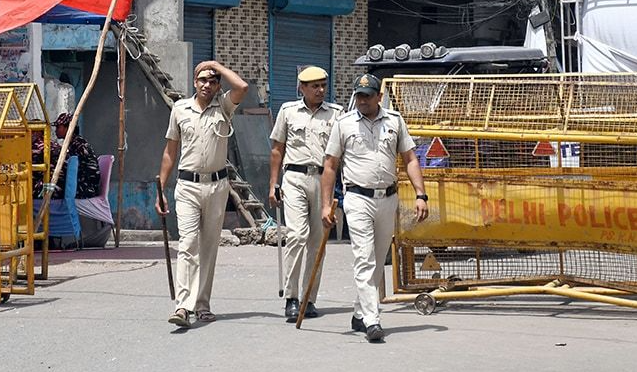
This image is only for illustrations.
A deadly stabbing in a Delhi park has left a 30-year-old man dead and a 26-year-old woman critically injured, with police detaining a minor in connection with the case. The incident took place in Khimman Singh Park in Ashok Vihar on Wednesday afternoon, following an altercation between the victims and a group of three to four boys.
According to Delhi Police, Devki, a resident of Jahangirpuri, was present at the park with her acquaintance Sunil, who hailed from Uttar Pradesh’s Etah district. During the dispute, one of the boys allegedly pulled out a knife and attacked both Devki and Sunil. The accused fled immediately after the incident, and the police were informed via a PCR call around 3:33 pm.
Sunil was taken to Deep Chand Bandhu Hospital, where he was declared brought dead. Devki, who sustained two stab injuries, was referred to a higher centre for advanced treatment due to a possible lung injury.
What happened in the park?
The sequence of events, as recounted by Devki to the police, began when three to four unidentified boys arrived at the park and an altercation broke out between the two groups over an issue. The exact nature of the dispute has not been fully disclosed, but police say it escalated quickly into violence.
During the dispute, one of the boys allegedly pulled out a knife and attacked both Devki and Sunil. The assault was sudden and severe, and all the accused fled the scene immediately after the incident. The police rushed to the spot after receiving the PCR call and took both victims to the hospital. This story was also covered by NDTV.
A senior doctor at Deep Chand Bandhu Hospital told news agency PTI: “The man had sustained four stab wounds and was declared brought dead. The woman had received two stab injuries and was referred to a higher centre for advanced treatment due to a possible lung injury.”
Why the attack turned fatal
Stabbing attacks in public spaces often turn fatal quickly because they involve sharp weapons and close-range blows. In this case, Sunil sustained four stab wounds, which suggests a sustained assault rather than a single impulsive strike.
The fact that the accused fled immediately after the attack indicates they were aware of the seriousness of their actions. In many such cases, the attackers rely on speed and confusion to escape before police can arrive. That is one reason why public CCTV coverage and quick PCR responses are critical in urban areas.
Yeh issue kaafi important hai because it shows how quickly a verbal dispute can escalate into a deadly attack when weapons are involved. Parks, which are meant to be safe community spaces, can become flashpoints when tensions rise and no one intervenes in time.
Background and context
Violent altercations in Delhi parks and public spaces are not uncommon, but when they end in death, they attract immediate attention. Ashok Vihar is a densely populated residential area, and Khimman Singh Park is used by locals for evening walks, gatherings and recreation.
The involvement of a minor adds another layer of complexity to the case. Under Indian law, minors are handled differently in the criminal justice system, with an emphasis on rehabilitation rather than punishment in many instances. However, when a minor is allegedly involved in a fatal stabbing, public debate often intensifies around accountability and deterrence.
The Delhi Police said multiple teams have been formed to identify and arrest the accused. A case is being registered under the relevant sections of the Bharatiya Nyaya Sanhita, and the investigation is ongoing.
Timeline
Wednesday afternoon: Devki and Sunil are at Khimman Singh Park in Ashok Vihar.
Around 3:30 pm: Three to four boys arrive; an altercation breaks out.
During the dispute: One boy allegedly pulls out a knife and attacks both victims.
3:33 pm: Police receive a PCR call and rush to the spot.
Afterward: Sunil is declared dead-brought; Devki is referred to a higher centre.
Later: Police detain a minor and form teams to identify and arrest the remaining accused.
Also Read: Speeding Bike Drags 46-Year-Old Woman to Death; Rider Also Killed in Mahim Crash
Why This Matters
This matters because it highlights the vulnerability of public spaces when disputes escalate into violence. Parks are supposed to be safe zones for families and individuals, but when weapons are carried and used, the risk of tragedy increases sharply.
It also matters because the case involves both a fatality and a critically injured woman. For Devki’s family, the trauma is twofold: she is fighting for recovery while also dealing with the loss of her acquaintance. For Sunil’s family, the death is sudden and devastating, especially as he was from another district and in Delhi at the time.
For Delhi residents, the incident is a reminder of how quickly public altercations can turn deadly. In simple Hinglish, chhoti si baat bhi kabhi bhi jaanleva ban sakti hai agar weapons involve ho jayein.
India angle
For Indian readers, this story is directly relevant because urban violence and public safety are recurring national concerns. From Delhi to other major cities, reports of stabbing incidents, fights over petty issues and weapon use in public spaces appear regularly.
The India angle also includes the legal framework. The Bharatiya Nyaya Sanhita provisions under which the case is being registered reflect the seriousness of the offence. At the same time, the involvement of a minor raises questions about how juvenile cases are handled in violent crimes.
There is also the social angle. In many Indian cities, parks are among the few open spaces available to residents. When those spaces become sites of violence, it affects community trust and the willingness of people, especially women and children, to use them freely.
Analysis
My opinion is that the core issue here is not just the attack itself but the environment that allows such disputes to escalate. When weapons are easily accessible and public altercations are not de-escalated quickly, the risk of fatal outcomes rises.
I also think the minor’s involvement will draw significant attention. While the law treats juveniles differently, public sentiment often demands stronger accountability in violent cases. How the police and courts handle this aspect will shape the broader conversation.
What Next
The immediate next step will be the formal registration of the case under the Bharatiya Nyaya Sanhita and the continuation of the investigation. Police will likely review CCTV footage, interview witnesses and question the detained minor to identify the remaining accused.
For Devki, the focus will be on recovery and medical treatment. Her statement to the police will be crucial in establishing the sequence of events and identifying the attackers.
Longer term, the case may prompt discussions around park safety, weapon control and juvenile justice in violent crimes. If similar incidents continue, public pressure for stricter enforcement and better surveillance is likely to grow.
Conclusion
The stabbing death of Sunil and the critical injury of Devki in a Delhi park are tragic reminders of how quickly public altercations can turn fatal. With a minor detained and multiple teams searching for the remaining accused, the investigation is ongoing, but the human cost is already clear.
For Ashok Vihar residents, the incident is a sobering signal that even everyday spaces can become dangerous when tensions escalate and weapons are used. For the city, it is another case that will test how effectively police can track down the attackers and ensure accountability.
Written By A. Jack