A PIL had sought a review of the decision to introduce the HPV vaccine, raising concerns over long-term safety, lack of informed consent and monitoring of adverse events. The court has now asked the Centre to file its reply while the drive continues.
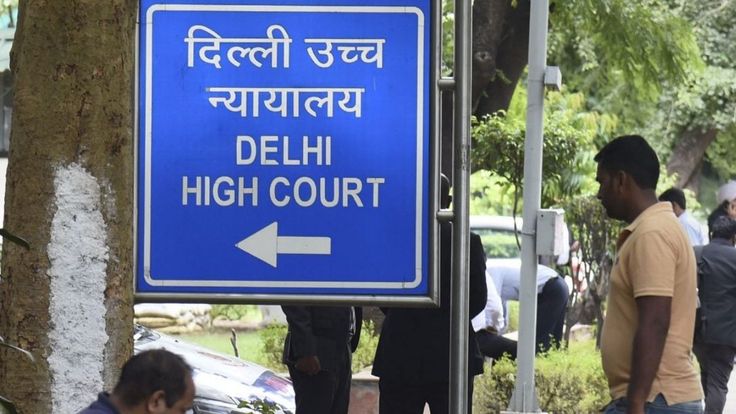
This Image is only for illustrations.
The Delhi High Court on Wednesday, July 29, 2026, refused to grant a stay on the Centre’s ongoing HPV vaccination drive, even as it heard a public interest litigation (PIL) that sought a review of the decision to introduce the vaccine. The petition had raised concerns over long-term safety, lack of informed consent and inadequate monitoring of adverse events following immunisation.
A Bench of Chief Justice D.K. Upadhyaya and Justice Tejas Karia said the data submitted by the Centre on the administration of 5.5 million HPV vaccine doses to 14-year-old girls did not indicate any “instant harm” that would justify stopping the vaccination drive. However, the court made it clear that vaccines must be properly tested and administered according to all protocols, warning against the use of “half-baked vaccines.”
What the court said
The court’s order strikes a balance between allowing the vaccination programme to continue and ensuring that safety concerns are properly addressed. By refusing to stay the drive, the bench has effectively allowed the Centre to proceed with the immunisation campaign while the legal challenge is being considered.
At the same time, the emphasis on avoiding “half-baked vaccines” is significant. It signals that the court is not dismissing the petitioner’s concerns outright but is instead asking for a more detailed response from the government. The bench has sought the Centre’s reply, which means the matter will be examined more closely in the coming weeks. This story was also covered by The Hindu.
In simple terms, the court is saying: “The data so far does not show immediate danger, so the drive can continue, but we want to hear your full explanation.” Yeh issue kaafi important hai because it involves public health, trust in vaccines and the government’s responsibility to ensure safety.
Why the PIL was filed
The PIL sought a review of the decision to introduce the HPV vaccine on the grounds that there were unresolved questions about long-term safety, informed consent and adverse event monitoring. HPV vaccination is primarily aimed at preventing cervical cancer and other HPV-related diseases, and it is typically administered to adolescents before they become sexually active.
However, whenever a new vaccine is introduced at a large scale, especially for minors, questions about safety and consent naturally arise. The petitioners argued that more transparency and stronger safeguards were needed before continuing the drive.
The court’s response suggests that while these concerns are serious, they do not yet amount to grounds for an immediate stay. Instead, the matter will be examined through the normal legal process, with the Centre required to file a detailed reply.
Background and context
The HPV vaccine has been part of global public health efforts for years, with many countries including it in routine immunisation schedules to reduce the burden of cervical cancer. In India, the drive targets 14-year-old girls as part of a broader strategy to prevent HPV-related diseases.
The current vaccination campaign has already administered 5.5 million doses, according to the data submitted to the court. That scale makes any safety concern particularly sensitive, because even rare adverse events can become significant when millions of doses are given.
At the same time, public health authorities argue that delaying or stopping the drive could have serious consequences for cancer prevention. Cervical cancer remains a major health challenge in India, and vaccination is one of the most effective tools available to reduce risk over time.
Timeline
Earlier: The Centre launches HPV vaccination drive for 14-year-old girls.
During the drive: A PIL is filed in Delhi High Court seeking a review over safety and consent concerns.
July 29, 2026: The court refuses to stay the drive, citing lack of evidence of instant harm.
Next: The Centre is asked to file its reply; the case will be heard further.
Also Read: Man Stabbed to Death, Woman Injured in Delhi Park Altercation; Minor Detained
Why This Matters
This matters because vaccines are one of the most powerful public health tools, but they also require public trust to work effectively. If people believe that safety concerns are being ignored, uptake can fall, and the benefits of vaccination can be lost.
It also matters because the case involves minors. When a vaccine is given to adolescents, the question of informed consent becomes more complex. Parents, guardians and health authorities all play a role in ensuring that the decision is well-informed and voluntary.
For India’s health system, the stakes are high. A successful HPV vaccination programme can prevent thousands of cervical cancer cases over time. But if safety concerns are not addressed transparently, the programme could face resistance, misinformation and reduced participation.
India angle
For Indian readers, this story is directly relevant because cervical cancer is a significant public health issue in the country. HPV vaccination is one of the few proven ways to reduce risk at a population level, which is why the drive is being prioritised.
In Hinglish, seedhi baat yeh hai: jab vaccine crore logon tak pahunch raha ho, toh safety aur trust dono equally important hote hain. That is why the court’s caution about “half-baked vaccines” resonates with public concerns.
The India angle also includes the role of the government in ensuring safety. When a national vaccination drive is underway, people expect robust monitoring, clear communication and quick action if adverse events are reported. This case is testing whether that system is working as intended.
Analysis
My opinion is that the court has taken a balanced approach. It has not halted a major public health programme based on preliminary concerns, but it has also not dismissed those concerns. By asking for the Centre’s reply, the bench is ensuring that the issue gets a thorough examination.
I also think the emphasis on protocols is important. Vaccination drives must follow strict guidelines on storage, administration, consent and adverse event reporting. If any of those protocols are weak, the risk of public backlash increases.
What Next
The next step will be the Centre’s reply to the PIL, which will likely include more detailed data on safety, adverse event monitoring and the consent process. The court will then examine that response and decide whether further hearings or orders are needed.
For the vaccination drive, the immediate impact is minimal because the court has not stayed the programme. However, the legal scrutiny may prompt health authorities to be even more careful about documentation, communication and monitoring.
Longer term, the case could influence how future vaccination drives are structured, especially when they involve minors. If the court raises specific concerns, the government may need to adjust protocols to address them.
Conclusion
The Delhi High Court’s refusal to stay the HPV vaccination drive allows the Centre to continue its immunisation campaign while the legal challenge is being considered. The bench has made it clear that vaccines must not be “half-baked” and that all protocols must be followed, even as it noted that the data so far does not show instant harm.
This case is a reminder that public health programmes must balance speed with safety, and trust with transparency. For India’s HPV vaccination effort, the goal is to prevent cervical cancer over the long term. But to achieve that, the government must also ensure that safety concerns are addressed openly and credibly.
Written By A. Jack