The Delhi High Court granted Umar Khalid three days’ interim bail after he sought permission to attend his uncle’s Chehlum and support his mother ahead of surgery. The order came after a trial court had rejected his plea.
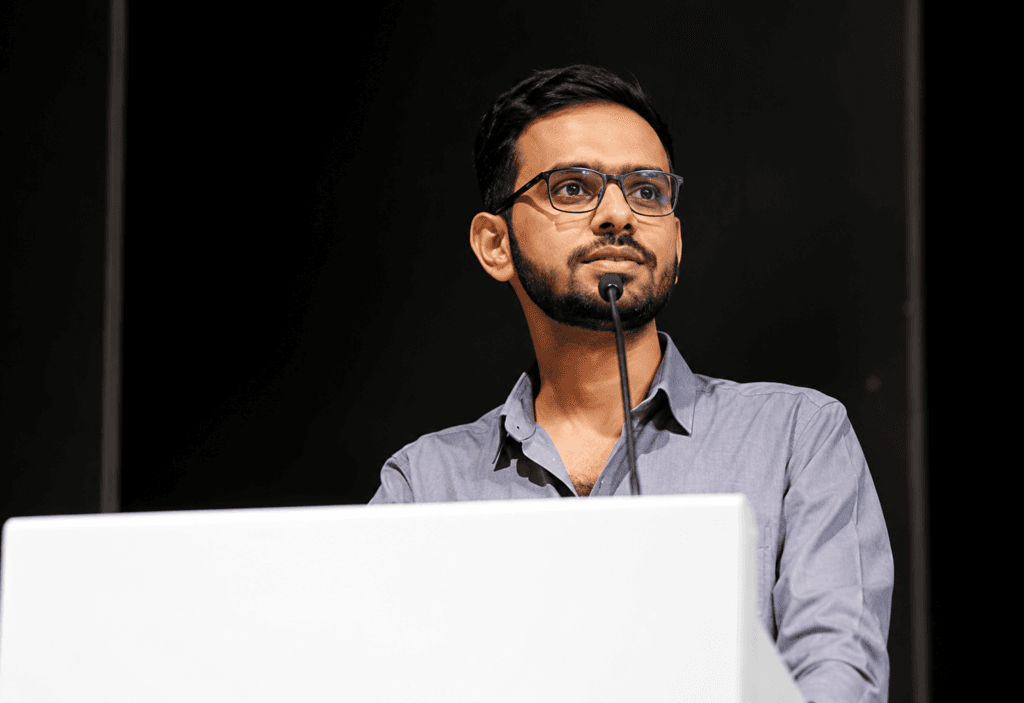
The Delhi High Court on Friday granted three days’ interim bail to Umar Khalid, an accused in the 2020 Delhi riots case. The relief was granted on the condition that he could attend the Chehlum, or post-death ritual, of his uncle and take care of his mother, who is due for surgery. The decision follows Khalid’s challenge to a trial court order that refused him temporary bail earlier this week.
What Happened
Umar Khalid had moved the court for short-term release on humanitarian grounds. In his plea, he said he needed to be there for the medical needs of his mother and attend the religious ritual of his dead uncle. The Delhi High Court, consisting of Justices Prathiba M Singh and Madhu Jain, granted the request and gave him interim bail for three days on Friday, May 22, 2026.
This is a major development, as Khalid is one of the high-profile accused in the 2020 Delhi riots case that has been in the national limelight for years. The court’s order came days after a trial court had rejected his interim bail plea, saying attending the uncle’s ceremony was “not that necessary” and his mother could be taken care of by other family members.
Why the Bail Was Granted
It looks like the court has accepted the plea on humanitarian grounds at least for this short period. Interim bail is usually granted for a short duration for urgent and specific reasons such as medical emergencies, family commitments, or important personal events. In this case, Khalid’s request was related to two sensitive issues—a post-death ritual in the family and his mother’s surgery.
That does not mean the larger criminal case has been undermined in any way. Rather, the ruling shows that courts sometimes distinguish between urgent humanitarian needs and the main legal process. In other words, this was a matter of personal urgency, not a final judgment on the case itself.
As a legal observer would say, such decisions are usually a balancing of the rights of an undertrial and the gravity of the charges against him. The order of the High Court indicates that the family circumstances were compelling for a short and specific time to have sought temporary relief.
Also read:Fire Scare on Air India Bengaluru-Delhi Flight AI2802, All Passengers and Crew Safe
Court’s Earlier Rejection
The trial court had rejected the bail plea before the High Court’s decision. The lower court said attending the uncle’s Chehlum was not essential enough and noted other family members could care for Khalid’s mother, as per the available information.
The distinction between the trial court and the High Court demonstrates how judicial discretion may vary depending upon the interpretation of the plea. One court may view the request as unnecessary; another may view it as a legitimate humanitarian issue. That’s part of the legal process, especially in sensitive, high-profile cases.
Background
The Delhi riots of 2020 are one of the most significant episodes of urban violence in recent Indian history. The violence had far-reaching social, political, and legal implications, and the inquiry has continued to elicit public debate. Umar Khalid’s name has been cropping up repeatedly in the case, and he is one of the most closely watched accused in the whole matter.
Over the years, the case has also come to symbolize wider public discussion on prolonged incarceration, delays in trials, and the question of how long an undertrial can remain in custody while a case makes its slow way through the system. So even a short interim bail order becomes newsworthy.
Timeline
2020: Delhi riots occur, resulting in multiple arrests and long-running investigations.
May 19, 2026: Trial court denies interim bail to Umar Khalid.
The Delhi High Court gave him a three-day interim bail on May 22, 2026.
Following the order, Khalid is allowed temporary release for family rituals and medical support.
Why This Matters
This is important because it touches on a very important legal and human question, how should courts balance personal hardship against serious criminal allegations? In India, this frequently arises in cases involving prolonged custody and high-profile undertrials. The answer is never simple, which is why such orders attract national attention.
And it matters because the Delhi riots case is not just another case file. It remains a politically and socially sensitive issue that continues to affect public opinion. Legal experts, journalists, political watchers, and common citizens alike track every development in the case. Here trust, fairness, and due process, all three, get the spotlight.
Angle
But for Indian readers, this is a story bigger than one person. That raises broader questions about the justice system, the length of trials, and how courts deal with emergency family matters when an accused is already in custody. The humanitarian angle to the appeal will strike a chord with a large section of readers, as many in India know the emotional significance of Chehlum, especially in Muslim families.
It also feeds into the national conversation on political violence, accountability, and the judicial process, all at the same time. This is not just a court update but also a story of India’s legal culture and of public expectations of justice.
Analysis
From an editorial point of view, this is a strong news story because it combines a major legal case, a high-profile accused, and an emotional relief order. By giving only three days’ bail, the court keeps the story tightly focused and easy to explain. And the backdrop of the Delhi riots gives it national relevance.
“I have a feeling that probably the High Court wanted to maintain the gravity of the case but still recognize a genuine human requirement. That’s the kind of balancing act a judge has on her hands when it comes to interim bail matters. It enables the legal process to go on without overlooking pressing family responsibilities.
The biggest editorial angle here is that this order shouldn’t be read as a change in the broader case. It’s a temporary relief, not a legal final judgment. And that distinction is important because, in cases like these, public debate can become very quickly emotionally charged. story also covered by The Hindu
What Next
The next step will depend on the precise terms and conditions of the interim bail order. Khalid will have to adhere to the instructions of the court and appear within the stipulated time. After this, the bigger legal proceedings in the Delhi riots case will continue.
Should the family or legal team return at a later date to request additional relief, the court would have to weigh humanitarian reasons against the severity of the case. In the meantime, the short-term release could enable Khalid to attend to family matters temporarily before returning to custody or appearing in court.
Conclusion
Delhi High Court grants three days interim bail to Umar Khalid in ongoing 2020 Delhi riots case, a big development. The order is temporary and narrow, but it shows the court is willing to take up urgent family and medical matters even in a sensitive criminal case.
That said, this is anything but a trivial case. The big fight over the legal system will go on, but for the moment the focus is on this small act of humanitarian relief and what it says about the balance between justice and compassion in India’s legal system.