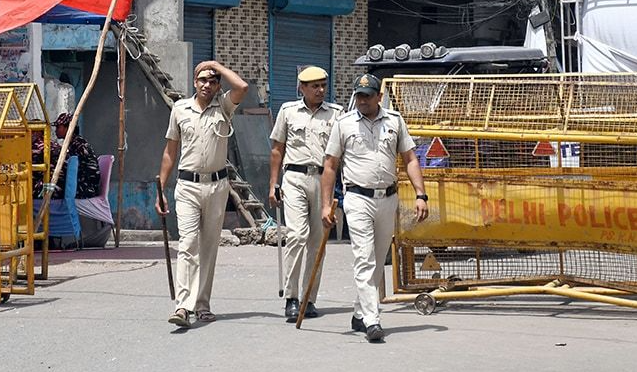
Delhi Police say they have busted a carefully planned extortion conspiracy in which a tenant allegedly staged a shooting injury to pressure his landlord for money and delay eviction. The case has now led to the arrest of three people, including the complainant himself, after CCTV footage and technical surveillance exposed the plot.
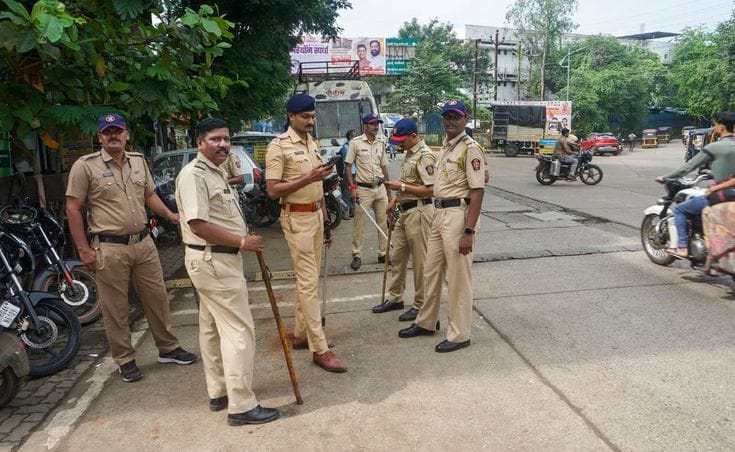
Police investigation in Chandni Chowk after a tenant allegedly staged a fake shooting to extort money from his landlord in Delhi.
In a striking case of alleged deception and criminal planning, Delhi Police say a tenant in Chandni Chowk staged a shooting injury to falsely claim he had been attacked by an unknown person. The man, identified as Avinash Kumar, reportedly told police on May 10 that he had been shot in the right thigh at his rented house in Kucha Bulaki Begum, Cycle Market, and that an unknown assailant had entered the premises around 10:30 PM.
Police later found that the incident was allegedly fabricated as part of a larger extortion attempt aimed at pressuring the landlord for a settlement and delaying eviction. The case became even more unusual because the complainant himself is now one of the three people arrested. In a city like Delhi, where property disputes and rental conflicts are common, this case stands out as a reminder of how far some people may go when legal and financial pressure builds.
What Police Say Happened
According to Delhi Police, the original complaint described a violent incident in which Avinash Kumar was allegedly shot by an unknown person. He was taken to LNJP Hospital, and police recovered two empty cartridges from the scene. A case was registered, and the matter initially appeared to be a serious armed attack. NDTV has covered the full story.
However, investigators soon began noticing inconsistencies. A large number of CCTV cameras in and around the area — more than 200, according to police — helped officers trace movement linked to the case. They identified a white SUV connected to the suspects and used technical surveillance along with social media monitoring to track one of the alleged shooters, Lokesh Dahiya, to Sonipat in Haryana.
On May 15, police arrested Lokesh Dahiya and Deepak Kumar from Sonipat. Following their statements, they arrested the main conspirator, Avinash Kumar, at his house. The police say the case was not a genuine shooting but a staged incident created to support an extortion plan.
Why the Fake Shooting Was Planned
Police say Avinash Kumar was a property dealer who had been asked to vacate the rented house. He had also filed a civil suit against the property owner. According to the investigation, that legal and tenancy dispute created the motive for the alleged conspiracy.
The claim is that Avinash wanted to pressure the landlord into paying a hefty settlement and delay the eviction process. To do that, he allegedly arranged the fake attack with two accomplices. Deepak Kumar reportedly provided a country-made pistol, which Lokesh Dahiya then delivered. Avinash allegedly shot himself in the thigh as planned, creating the appearance of a real attack.
If this version is confirmed in court, it would mean the entire incident was designed to misuse police time, hospital resources, and public attention for a private financial dispute. That is serious because fake crime claims can distract investigators from real threats and can also damage trust in the system.
Police Recovery and Evidence
The police say the recovery list included the white SUV, a country-made pistol with two magazines, 14 live cartridges, and five mobile phones. Such recoveries can be important because they help link suspects to communication, movement, and planning before the staged incident.
The technical side of the investigation appears to have played a major role. In a dense area like Chandni Chowk, where traffic, cameras, and foot movement are all heavy, it is much harder to sustain a fabricated story without leaving digital traces. The police say the CCTV network and surveillance work helped expose the inconsistency between the complaint and the ground reality.
That is one of the most important lessons from the case: in modern urban policing, a false story can fall apart quickly when data, camera footage, and device tracking are used effectively. Yeh case dikhata hai ki city crime investigation mein technology ka role kaafi important ho gaya hai.
The Accused
As per police, the arrested persons are
Avinash Kumar, 42 — property dealer, Delhi, identified as the alleged mastermind.
Deepak Kumar, 28 — property dealer, Sonipat.
Lokesh Dahiya, 30 — farmer, Sonipat.
This mix of people from Delhi and Haryana shows how local disputes can sometimes grow into cross-border criminal planning within the NCR region. The case also suggests that the alleged conspiracy was not a spontaneous act but a coordinated one involving planning, logistics, and post-incident cover-up.
Timeline
Before May 10: Avinash Kumar was reportedly facing eviction pressure and had filed a civil suit against the landlord.
May 10, around 10:30 PM: He reported a shooting at his rented house in Chandni Chowk.
May 10 night: He was taken to LNJP Hospital; police recovered empty cartridges.
Following days: CCTV footage, vehicle tracking, and technical surveillance began narrowing the suspect list.
May 15: Police arrested Lokesh Dahiya and Deepak Kumar in Sonipat.
Soon after: Avinash Kumar was arrested from his house.
Now: Further investigation is underway.
Also Read: Mumbai Court Fines Man Rs 20,000 in 2017 Churchgate Accident
Why This Matters
This matters because false criminal complaints are not harmless paperwork mistakes. They can waste investigative resources, create panic, and potentially frame innocent people if not caught in time. In this case, police say the complaint was itself part of the alleged crime. That means the system had to first treat the incident as a possible shooting before uncovering it as a staged event.
It also matters for landlords, tenants, and property owners across Indian cities. Rental disputes are already stressful, and when a conflict turns into a fake gunshot case, it shows how dangerous unresolved financial and property tensions can become. For ordinary people, this is a reminder that legal remedies exist, but criminal shortcuts can backfire badly. Yeh issue kaafi important hai because it affects both public safety and trust in the legal process.
India Angle
For Indian readers, especially in metro cities like Delhi, this case connects closely to real-life rental and property tensions. Many people in urban India live in rented homes, and eviction disputes often turn emotional. Sometimes, the pressure of money, status, and legal deadlines pushes people toward risky decisions. This story shows what can happen when someone tries to use drama and deception instead of lawful resolution.
It also highlights the growing reach of police technology in India. CCTV cameras, mobile tracking, and surveillance tools are increasingly being used to verify claims and solve complex cases. In a crowded urban landscape, that matters a lot because fake narratives are easier to build than they are to sustain. The Delhi case may become a cautionary example for others who think they can manipulate the system.
Analysis
My opinion is that this case is a textbook example of why careful investigation matters. At first glance, it looked like a violent armed attack. But once police followed the evidence trail, the case appears to have changed completely. That shift is powerful from a reporting standpoint because it adds suspense and also reinforces the value of police work. At the same time, the alleged motive — pressuring a landlord and delaying eviction — shows how property disputes can become ugly if handled with greed and desperation.
What’s Next?
The next step will be the continued investigation into the exact roles of each accused and whether any other people were involved. Police may also examine how the firearm was sourced, whether the conspiracy was discussed over calls or messages, and whether any other false statements were made during the initial complaint.
If charges are fully established, the accused could face serious legal consequences for criminal conspiracy, false reporting, and weapons-related offenses. The outcome may also influence how police handle similar complaints in the future, especially when medical claims and scene evidence do not line up. For tenants, landlords, and property dealers, the case may serve as a warning that disputes should be taken through courts, not staged violence.
Conclusion
The Delhi Police case has turned a supposed shooting into what appears to be a carefully staged extortion plot. What started as a complaint about an unknown gunman in Chandni Chowk now points to a tenant allegedly injuring himself to pressure a landlord and delay eviction.
The arrests of Avinash Kumar, Deepak Kumar, and Lokesh Dahiya show how quickly an apparently violent crime can unravel once evidence is tested properly. For Delhi and for urban India more broadly, the case is a sharp reminder that property disputes, when mixed with desperation and deception, can spiral into serious criminal conduct. It also shows why good policing, camera surveillance, and technical evidence are essential in modern cities.
Written By A. Jack