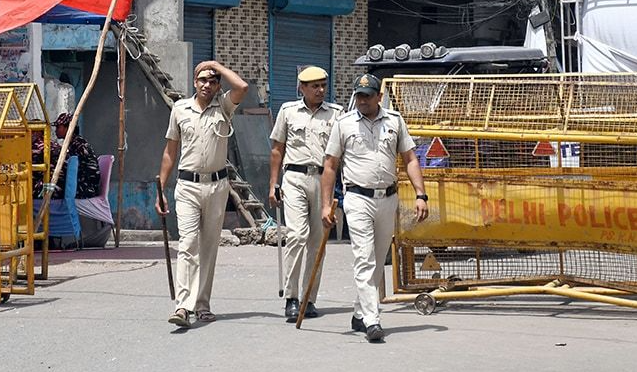
Delhi has moved to a tougher, fully digital traffic challan system that forces violators to act within fixed deadlines or face automatic acceptance of the fine. The new framework also requires a 50% deposit before approaching court in challenge cases, while repeat offenders may face licence-related action.
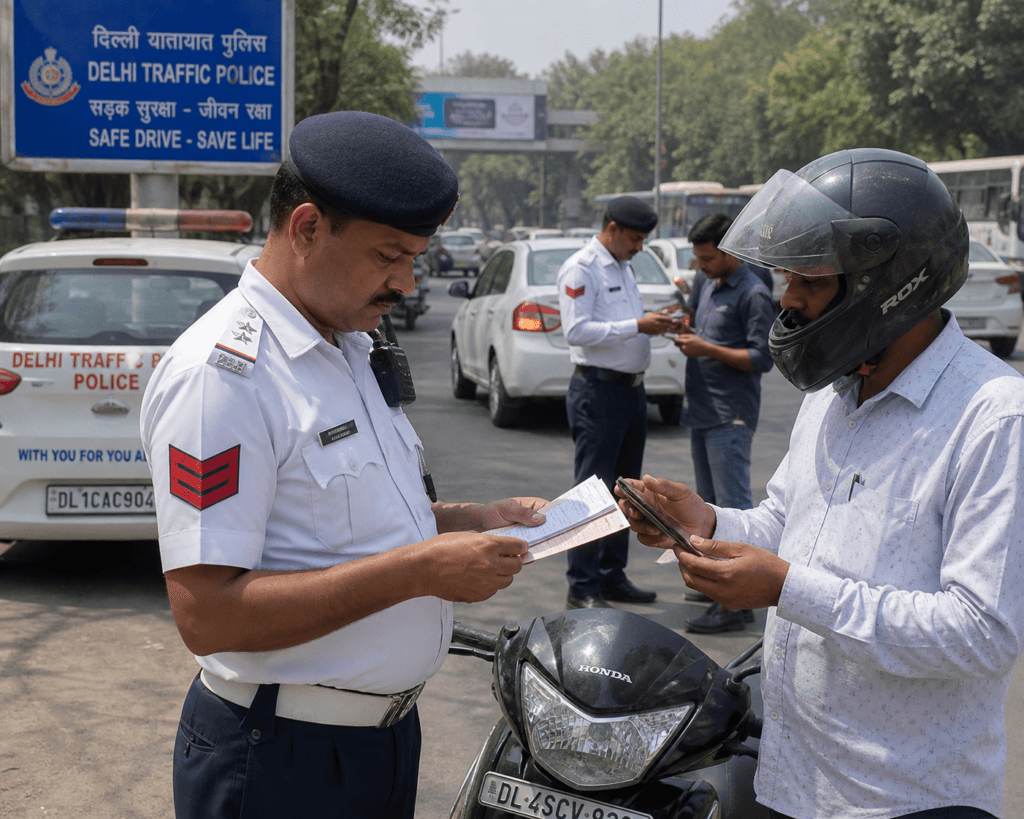
Delhi’s new traffic challan rules highlight a stricter, time-bound system with digital notices, online disputes and heavy consequences for repeated violations.
Delhi Traffic Challans Get Stricter
The Delhi government on Sunday announced a major overhaul of traffic challan enforcement, introducing a structured and time-bound digital system aimed at speeding up payments, reducing delays and tightening compliance. Under the new rules, violators will have 45 days to either pay the fine or challenge it online before a grievance redressal officer.
If no action is taken during this period, the challan will be treated as accepted and payment will be required within the next 30 days. The move, described by Chief Minister Rekha Gupta’s office as “fully digital, transparent and accountable,” is designed to improve road discipline and reduce accidents.
What The New Rules Say
The core change is simple but strict: challans will no longer sit unresolved for long periods. E-challans generated through cameras and surveillance systems will be issued within three days if a mobile number is available, while physical notices will be delivered within 15 days. The Indian Express has covered the full story.
All challans will be recorded sequentially on an online portal, and motorists are being advised to keep their contact details updated in driving licences and vehicle registration certificates. That matters because the whole new system depends on faster communication and documented response windows.
A key point is the 50% deposit rule. If a challenge is rejected and the violator wants to move court, they must first deposit half the challan amount. This makes the process more structured and discourages casual or delaying appeals.
Why The Move Happened
The Delhi government is trying to solve a long-standing traffic enforcement problem: delayed challan settlement. In many cases, challans remain unpaid for months, courts get burdened, and repeat offenders continue driving without consequences. This new system is meant to break that pattern with tighter deadlines and digital tracking.
Officials said the plan is also linked to amendments in the Central Motor Vehicles Rules, 1989. As part of this framework, individuals committing five or more violations in a year will be classified as “serious offenders” and may face suspension or disqualification of their driving licence.
There is also a practical safety logic here. When enforcement becomes predictable and time-bound, people are more likely to comply. Yeh issue kaafi important hai because Delhi’s roads cannot improve only through fines; they need a system where fines actually lead to behavioural change.
Quote And Official Position
Chief Minister Rekha Gupta was quoted as saying, “Delaying traffic challans will cost dear, and payments must be made within deadlines.” The statement reflects the government’s broader push to make traffic enforcement stricter and less negotiable.
Her office also said the new system will be “fully digital, transparent and accountable,” with daily electronic notices triggered for unpaid challans. That language shows the administration wants the system to be not just punitive, but also traceable and difficult to bypass.
How The System Will Work
Once a challan is issued, the violator gets 45 days to either pay or challenge it before a grievance redressal officer through an online portal. If nothing is done within that window, the challan is deemed accepted automatically, and another 30 days are given for payment.
If the challenge is rejected, the person has 30 days to pay or can go to court after depositing 50% of the fine. Continued non-payment can trigger restrictions on vehicle-related services, including tax payments and licence or registration processes. In some cases, vehicles may even be flagged as “not to be transacted,” which blocks further portal-based services until dues are cleared.
This is a strong shift from a loosely enforced fine system to a digital compliance model. The government is clearly betting that inconvenience will bring compliance faster than reminders alone.
Also Read: Delhi Metro Phase V(B): 7 New Corridors, 65 Stations in Rs 48,204-Crore Expansion Plan
Background And Context
Delhi has been struggling for years with traffic rule violations, delayed penalty payments and weak deterrence in some cases. The city’s traffic enforcement ecosystem has often depended on a mix of manual monitoring, cameras and follow-up notices, but unpaid challans have remained a recurring issue.
The new framework seems designed to fix the weakest link: follow-through. By connecting challans to electronic notices, service restrictions and a fixed dispute window, the administration is trying to create a system where ignoring a fine becomes harder than paying it. That approach is already being discussed as one of the most significant traffic policy shifts in recent years.
Timeline
Sunday, May 3, 2026: Delhi government announces the new challan settlement framework.
Within 3 days: E-challans will be issued if a mobile number is available.
Within 15 days: Physical notices will be delivered if required.
Within 45 days: Violators must pay or challenge the challan online.
After rejection: Court appeal requires a 50% deposit before litigation.
Why This Matters
This matters because traffic enforcement is not just about collecting fines; it is about making roads safer. If Delhi can improve compliance through a transparent digital system, the city may see fewer repeat violations, better accountability and possibly fewer accidents over time.
It also matters for ordinary commuters, who are often frustrated when rule-breakers continue driving without real consequences. A stricter system sends a clear message: follow the rules, or the financial and legal cost will keep rising. For many citizens, that feels overdue.
India Angle
For Indian drivers, this is a strong signal that traffic enforcement is moving toward a more digital and evidence-based model. Delhi often becomes a policy trendsetter, so changes here can influence how other states think about challan collection, digital notices and offender tracking. In simple Hinglish, ab system thoda more strict aur time-bound ho gaya hai.
This also connects directly with the larger Indian road-safety conversation. Across the country, traffic violations remain a major cause of accidents and public frustration. If Delhi’s new model works, it could become a template for other metro cities facing similar enforcement problems.
Analysis
My analysis is that this policy is less about punishment alone and more about creating friction for non-compliance. The real test will be implementation: if notices are delayed, portals are clunky, or grievance redressal becomes slow, the policy could face criticism. But if executed well, it could improve collection efficiency and reduce repeat violations significantly.
What Next
The next step is implementation, and that will decide whether the announcement becomes a real system or just a policy headline. Officials will need to ensure the portal works smoothly, notices are sent on time and grievance redressal officers can process challenges fairly and quickly.
Motorists should now pay closer attention to challan notices, update contact details on driving and vehicle documents, and respond within the deadlines. Repeat offenders may also have to be more careful, because the new framework gives the government stronger tools to restrict licences and vehicle-related services.
Conclusion
Delhi’s new traffic challan rules mark a clear shift toward a stricter, more digital and more accountable enforcement system. With fixed deadlines, online challenges, e-notices and a 50% deposit requirement for court appeals, the city is trying to close the gap between rule-breaking and real consequences.
For commuters, the message is straightforward: traffic violations will now carry faster and more serious follow-up. If the system works as intended, it could improve road discipline and make Delhi’s roads a little safer and more orderly.
Written By A. Jack