Delhi is set for a major metro boost with seven new corridors and 65 stations planned under Phase V(B), adding more than 97 km of new connectivity across the capital. The project, estimated at Rs 48,204.56 crore, will push the network deeper into outer Delhi, developing pockets and key institutional areas.
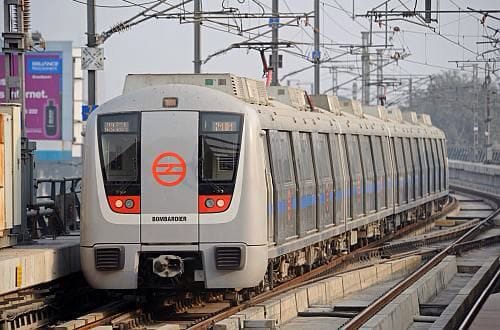
Delhi Metro’s Phase V(B) expansion map highlights seven new corridors that will connect outer Delhi, central routes and fast-growing residential zones.
Delhi Metro Phase
Delhi Metro is preparing for one of its biggest expansion rounds yet, with the city government announcing seven new corridors spanning 97.158 km and 65 stations under Phase V(B). The announcement was made on Sunday during the Delhi Metro Rail Corporation’s 32nd Foundation Day, with Chief Minister Rekha Gupta saying the plan will strengthen connectivity in underserved and rapidly developing parts of the city.
The project is estimated to cost Rs 48,204.56 crore and is expected to bring metro access deeper into outer Delhi, making travel easier for residents in areas such as Najafgarh, Narela, Mithapur, Keshavpuram, Rohini, and several east and south Delhi localities. Four of the seven corridors have been prioritised for faster execution with a completion target of 2029.
What The Plan Includes
The Phase V(B) package is not just one line but a network of seven separate corridors designed to fill major gaps in Delhi’s urban transport map. These lines include connections such as Dhansa Bus Stand-Nangloi, Central Secretariat-Kishangarh, Samaypur Badli-Narela, Kirti Nagar-Palam, Jor Bagh-Mithapur, Shastri Park-Mayur Vihar Phase II, and Keshavpuram-Rohini Sector 34. NDTV has covered the full story.
Each corridor is designed to serve different travel needs. Some will connect older central districts, while others will push transport access into the city’s expanding edge areas. That mix matters because Delhi’s commuting problem is not one-size-fits-all; traffic pressure in central areas and lack of mass transit in outer areas are both part of the same problem.
Priority Corridors For Faster Execution
Officials said four of the seven corridors have been marked for priority execution, with a target of 2029. The remaining three corridors will be taken up in later phases, which suggests a phased rollout rather than a single all-at-once launch.
The Delhi Metro Rail Corporation has also been directed to prepare revised Detailed Project Reports separately for the priority and non-priority lines. That is important because it can streamline planning, land work, and funding decisions. In infrastructure projects, clear sequencing often determines whether timelines stay realistic or get delayed.
Route-Level Details
The individual corridors show how widely the expansion will spread across Delhi. The Keshavpuram-Rohini Sector 34 corridor will be a 16.285-km fully elevated line with 12 stations, improving connectivity across Pitampura, Rohini Sector 29 and nearby areas including Delhi Technological University. It will have interchanges at Keshavpuram, North Pitampura and Rohini Sector 34.
The Jor Bagh-Mithapur corridor will be 16.991 km long with 12 stations, including both underground and elevated sections. It will connect Lodhi Colony, Old Ishwar Nagar, Ali Village, Jaitpur, Moladband and Mithapur, with interchange points planned at several existing metro stations.
The Shastri Park-Mayur Vihar corridor will cover 13.197 km with eight stations, combining underground and elevated stretches, while the Kirti Nagar-Palam corridor will span 9.967 km and include six stations. The Central Secretariat-Kishangarh route will largely run underground and add 10 stations, while the Badli-Narela extension and Dhansa-Nangloi corridor will extend access into the northern and south-western edges of the city.
Why The Expansion Matters
This expansion matters because Delhi’s biggest transport challenge is not just congestion — it is uneven connectivity. Central Delhi already has heavy metro access, but outer and developing zones often depend on long bus rides, cars or two-wheelers. Adding new metro corridors can reduce travel time, lower road traffic, and make daily commuting much more predictable.
For many families, this is not just about convenience. Better metro access can improve access to jobs, colleges, hospitals and markets. Yeh issue kaafi important hai because a metro line can completely change how a neighbourhood grows, how fast property markets move, and how easily people can commute without wasting hours on the road.
Also Read: 30 Tourists Rescued from Tehri Lake Storm: SDRF’s Heroic Operation Averts Major Tragedy
Background And Context
Delhi Metro has expanded in phases for years, but Phase V(B) stands out because it targets the city’s growth edges and underconnected areas. The current plan follows earlier phases that helped make Delhi Metro one of the largest urban transit systems in India. This new phase aims to deepen that reach rather than simply densify already strong routes.
The city’s rapid urban growth has made such expansion necessary. As more people move into outer Delhi and adjacent developing belts, public transport needs to grow ahead of demand, not after congestion becomes unbearable. That is the real policy logic behind Phase V(B).
Timeline
Sunday, May 3, 2026: Delhi CM Rekha Gupta announces Phase V(B) at DMRC’s 32nd Foundation Day.
2026: The project is estimated at Rs 48,204.56 crore and covers seven corridors and 65 stations.
2029 target: Four priority corridors are planned for faster completion by this year.
Later phase: The remaining three corridors will be executed subsequently.
Why This Matters
This matters because a metro network is more than transport — it is urban infrastructure that shapes the future of a city. If Phase V(B) stays on schedule, Delhi residents in outer areas could get faster, cleaner and more reliable mobility, which directly affects work, education and quality of life.
It also matters for the economy. Big infrastructure projects create construction activity, jobs, and long-term connectivity gains that can lift property values and business activity in newly linked zones. In short, the metro line is not just for passengers; it is for the city’s overall growth engine.
India Angle
For Indian commuters, Delhi Metro is already the gold standard for urban transit, and this expansion will likely influence how other cities think about growth. In simple Hinglish, jab Delhi Metro aage badhta hai, toh baaki cities bhi note karti hain. The scale, planning and corridor diversity make this a major national urban story.
This is especially relevant for people living in places like Rohini, Narela, Najafgarh, Mithapur and other peripheral areas where commuting is often a daily struggle. Better metro access means less stress, more punctuality and safer, more efficient travel for lakhs of residents.
Analysis
My analysis is that the government is clearly trying to shape a “connect the outskirts” narrative. That is smart policy messaging because it speaks directly to everyday commuters rather than only to big-ticket city branding. The challenge, however, will be execution: land acquisition, tendering, underground construction complexity and timely approvals can all slow such projects if not managed tightly.
What Next
The next step will be the preparation and revision of Detailed Project Reports for the priority and non-priority corridors. After that, the focus will likely shift to approvals, tendering, and staged construction work on the first four lines.
Commuters should expect more detailed route maps, station-level plans and construction timelines as the project moves forward. If the 2029 target stays intact for the priority corridors, Delhi could see major connectivity gains before the end of the decade.
Conclusion
Delhi Metro’s Phase V(B) expansion is a big step toward deeper urban connectivity, with seven corridors, 65 stations and more than 97 km of new routes planned across the capital. The project is aimed squarely at improving access for outer Delhi and fast-growing neighbourhoods, while also strengthening interchange links across the existing network.
If executed on time, this expansion could reshape daily travel for lakhs of Delhi residents and give the city another major infrastructure push. For now, the announcement itself has set the stage for one of the capital’s most important transport stories in years.
Written By A. Jack