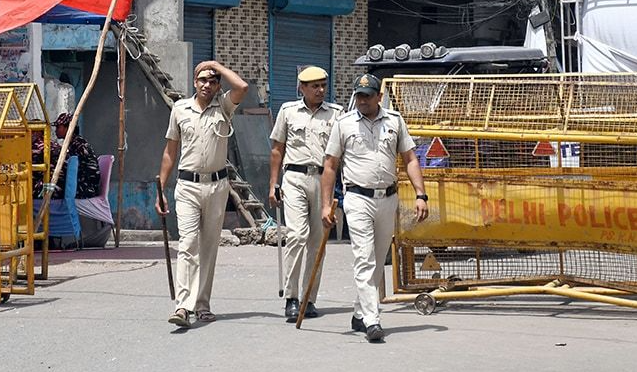
A devastating fire in East Delhi’s Vivek Vihar area has left nine people dead and two others injured, after flames swept through a four-storey residential building in the early hours of Sunday. Officials said the blaze may have started after a suspected AC blast, though the exact cause is still under investigation.
Fire crews respond to the massive blaze at a Vivek Vihar residential building in East Delhi, where nine people lost their lives and rescue operations continued through the morning.
Delhi Vivek Vihar Fire Tragedy
A major fire broke out in a four-storey residential building in Delhi’s Vivek Vihar area early Sunday morning, killing nine people, including a one-year-old child, and injuring at least two others. The incident unfolded around 4 am, when the building’s residents were asleep and trapped as flames quickly spread from the second floor to the upper levels.
According to officials, 14 fire tenders were rushed to the spot and the blaze was brought under control by around 6 am after nearly two hours of firefighting. Rescue teams then carried out search operations, while more than a dozen residents were evacuated from the building.
What Happened
Preliminary reports suggest that the fire may have been triggered by an air-conditioning unit blast or a short circuit, though the exact cause has not yet been confirmed. The blaze reportedly began on the second floor and then spread to the third and fourth floors, trapping several residents inside. NDTV has covered the full story.
One official said the fire had already spread widely by the time firefighters reached the site. That explains why the casualty count became so high so quickly. In residential buildings, especially during the night, fire can become deadly within minutes if exits are blocked or if the smoke fills corridors and stairwells.
Victims And Damage
The victims included multiple members of the Jain family, which makes this tragedy especially heartbreaking. Reports say nine people died in all, including a one-year-old child. Among the deceased were Arvind Jain (60), Anita Jain (58), Nishant Jain (35), Anchal Jain (33), Akash Jain (1), Shikha Jain (40/45 in different reports), Nitin Jain (50), Shalley Jain (48), and Samyak Jain (25).
On the first floor, Shikha Jain was killed while her husband Naveen Jain was injured and is undergoing treatment. The injured have been shifted to Guru Teg Bahadur Hospital. Officials said the identities of all nine victims have been established.
How The Fire Spread So Fast
One reason the tragedy became so severe is that the fire spread vertically across the building very quickly. Once flames enter a residential structure, the combination of electricity, furniture, locked gates, and narrow escape routes can make evacuation difficult. Smoke inhalation often becomes the biggest killer before people can even reach the stairs or terrace.
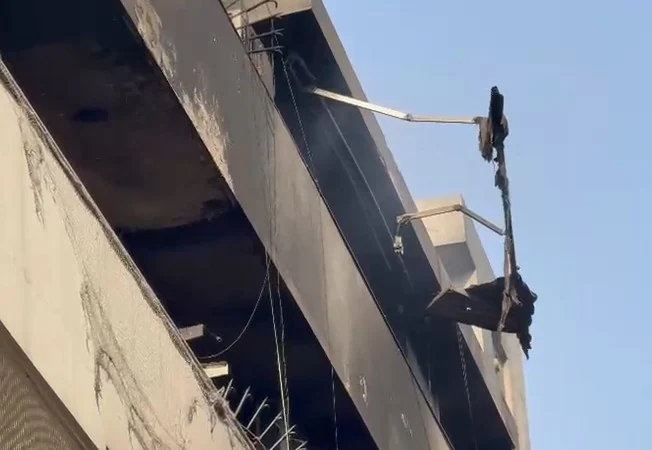
Visuals from the site showed burnt portions of the building and heavy smoke pouring out from the upper floors. Fire officials also had to deal with the challenge of rescuing people from a densely occupied building in a busy East Delhi neighbourhood.
Official Response
DCP Shahdara Rajendra Prasad Meena said the first call about the fire was received around 4 am and that firefighters and police reached the spot immediately. He added that it took about two hours to bring the blaze under control, after which search operations were carried out.
Delhi Chief Minister Rekha Gupta described the incident as “extremely tragic” and extended condolences to the families of those killed. In her social media post, she said the loss of nine lives had left her deeply distressed and assured that treatment for the injured was ongoing at the nearest hospital. Also Read: Pune 4-Year-Old Rape-Murder Case Sparks Highway Protest
Background And Context
Delhi has seen multiple fire safety concerns in residential and mixed-use buildings over the years, and this incident has once again raised questions about preparedness, building safety, and emergency exits. In dense urban neighbourhoods like Vivek Vihar, even a small electrical fault or appliance failure can turn into a mass casualty incident if fire systems are weak.
The suspected AC blast angle also reflects a wider urban reality: many households rely on air conditioners, electrical loads are high, and maintenance is often irregular. When older buildings are combined with crowded living conditions, the risk rises sharply. Yeh issue kaafi important hai because it is not just about one tragic night — it is about everyday safety in Indian homes.
Timeline
Around 4 am: The fire call is received and fire tenders are dispatched.
Shortly after: Flames are found spreading from the second floor to upper floors.
Around 6 am: Fire is brought under control after about two hours.
Morning hours: Search and rescue operations continue and victims are identified.
Later in the day: CM Rekha Gupta issues condolences and support for the families.
Why This Matters
This matters because fire safety failures in residential buildings can kill families in a matter of minutes. The high death toll in Vivek Vihar shows how quickly a neighbourhood tragedy can become a major public safety crisis when evacuation is difficult and the blaze moves fast.
It also matters because India’s urban housing stock includes many buildings where maintenance, electrical safety, and emergency exits do not always match the number of people living inside them. For residents and policymakers alike, this tragedy is a painful reminder that safety rules cannot remain only on paper.
India Angle
For Indian readers, this incident hits close to home because so many families live in apartment buildings with air conditioners, heavy electrical use, and shared entry points. A fire like this is not some distant disaster — it could happen in any crowded city if maintenance is ignored.
In simple Hinglish, yeh sirf ek building ka accident nahi hai; it is a wake-up call for every housing society, landlord, and municipal authority. Regular fire drills, better wiring, clearer exits, and working alarms can literally save lives.
Analysis
My analysis is that this tragedy will likely force a deeper conversation about fire audits in residential colonies, especially in older East Delhi neighbourhoods. The suspected AC blast may turn out to be the trigger, but the larger issue is whether the building had enough fire-prevention safeguards to protect residents when seconds mattered most.
What Next
The next step will be a detailed technical investigation into the exact cause of the blaze, including whether the fire originated from the AC unit, a short circuit, or another electrical fault. Authorities will also review building safety compliance and the availability of exits, extinguishers, and fire alarms.
For the affected families, the focus will now shift to identification, medical treatment of the injured, and support from the administration. If investigators find negligence or code violations, more legal and administrative action could follow.
Conclusion
The Vivek Vihar fire is a devastating reminder of how quickly a residential building can turn into a death trap. Nine lives, including that of a one-year-old child, were lost in a matter of hours, and the suspected AC blast has already raised questions about electrical safety and building preparedness.
For Delhi, this tragedy must not end with condolences alone. It should push authorities, housing societies, and residents to take fire safety seriously — because in crowded urban India, prevention is often the only real protection.
Written By A. Jack