A five-year-old boy died in northeast Delhi’s Usmanpur area after his throat was slashed by banned Chinese manjha while he was riding on a motorcycle with his family. Police have launched an investigation to trace the source of the hazardous kite string and those involved in its sale and use.
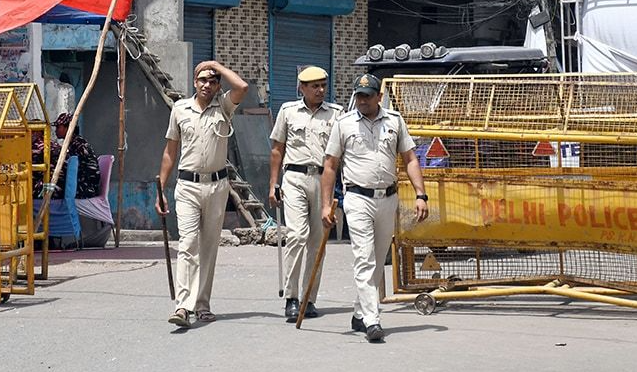
Police investigate the Usmanpur incident site in northeast Delhi after a five-year-old boy died when banned Chinese manjha cut his throat near Jag Pravesh Chandra Hospital.
Delhi Boy Dies After Chinese Manjha Slits His Throat
A heartbreaking accident in northeast Delhi’s Usmanpur area claimed the life of a five-year-old boy on Sunday after banned Chinese manjha got entangled around his neck while he was travelling with his family on a motorcycle. The incident occurred near Jag Pravesh Chandra Hospital, and the child later died during treatment at a nearby hospital.
Police said the boy’s neck was slit by the sharp, glass-coated string, which is prohibited in Delhi because of the serious risk it poses to human life and wildlife. The matter has now triggered a formal investigation, with officers trying to identify the source of the string and the people responsible for its sale and use.
What Happened
According to police, the child was riding with his family when the banned kite string came into contact with his neck, causing a deep gash. He was rushed to a hospital, but could not survive his injuries. The location of the incident, near a busy hospital road, underlines how quickly such accidents can turn fatal in crowded city spaces. NDTV has covered the full story.
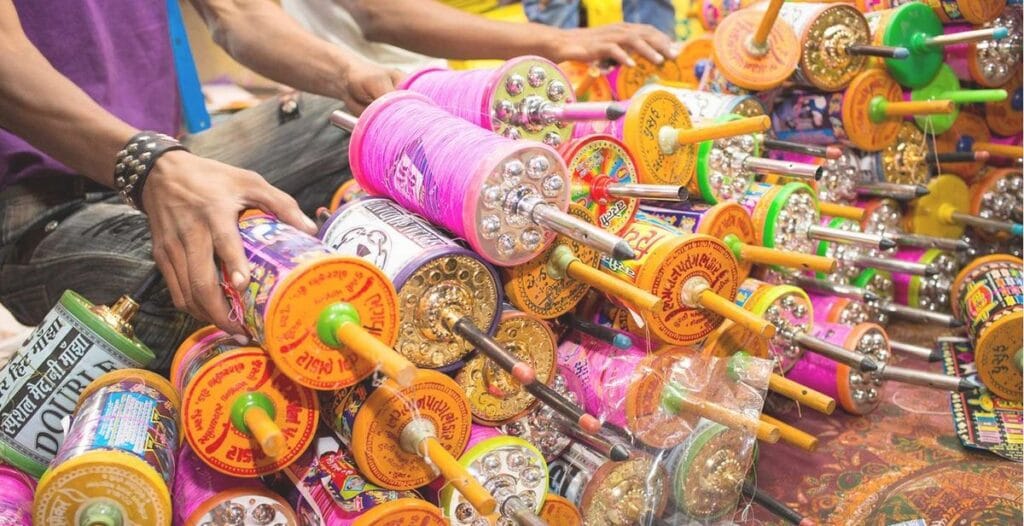
Chinese manjha is especially dangerous because it is coated with powdered glass or metal, making it sharp enough to cut skin, throats, and even power lines. It is banned in Delhi, but despite the prohibition, reports of injuries and deaths continue to surface during kite-flying seasons.
Police Statement
A senior police officer said the investigation has been initiated and that the team is trying to determine how the banned string reached the area. The officer also said efforts are underway to identify those involved in its sale and use.
One police source noted that this is not being treated as a routine accident but as a serious public safety issue because the product itself is prohibited and has repeatedly caused injuries in the past. That means the probe may look at both the supply chain and local sellers, which is important if authorities want to stop repeat incidents.
Why Chinese Manjha Is So Dangerous
The danger of Chinese manjha lies in its construction. Unlike regular cotton thread, it is coated with sharp material that can slice through soft tissue with frightening ease. It is also difficult to see while a person is moving, especially on a road, making bikers, cyclists, pedestrians, and even birds vulnerable.
In a city like Delhi, where traffic is dense and movement is constant, even one loose strand can become a deadly hazard. That is why the ban exists in the first place. But enforcement gaps allow the thread to keep circulating through illegal markets, seasonal demand, and online or local black-market sales.
Background And Context
Delhi has banned the use, sale, and storage of Chinese manjha for years because it poses a risk to both humans and wildlife. Yet every year, around kite-flying periods, new cases emerge showing that the ban is still not fully effective on the ground.
This is not the first time the city has seen deaths linked to the string. Similar tragedies in the past have led to renewed calls for tougher crackdowns, stronger market checks, and public awareness campaigns. The recurring pattern shows that a legal ban alone is not enough unless enforcement is constant.
Timeline
Chinese manjha remains banned in Delhi due to safety risks.
Sunday: The five-year-old boy is injured near Jag Pravesh Chandra Hospital in Usmanpur.
He is rushed to a nearby hospital but dies during treatment.
Police begin investigating the source of the string and those involved in its sale and use.
Also Read: Delhi Vivek Vihar Fire Tragedy: 9 Killed After Suspected AC Blast in Residential Building
Why This Matters
This matters because the victim was a child, and the incident happened on an ordinary family ride, not in some rare or isolated setting. That makes the tragedy especially alarming for parents across India who use two-wheelers every day with children seated behind them.
It also matters because banned products that continue to circulate create a public safety failure. When a product is illegal but still accessible, the problem is not only the object itself — it is the enforcement gap that allows avoidable tragedies to repeat.
India Angle
For Indian readers, this incident will feel painfully familiar because kite-flying culture is deeply rooted in many parts of the country, especially around festive seasons. But the joy of kite flying should never come at the cost of human life. In simple Hinglish, yeh issue kaafi important hai because one dangerous string can turn a normal outing into a fatal accident.
The case also connects directly to road safety in India. Families often travel on motorcycles without expecting hidden hazards like wire-like strings across the road. That is why stricter policing, awareness, and public cooperation are needed, especially in crowded urban areas like Delhi.
Analysis
My analysis is that the real story goes beyond one accident. It points to a broader enforcement problem: banned Chinese manjha still reaches markets because demand exists and supply chains are not fully broken. Unless police, local authorities, and consumers work together, these tragedies will keep returning every year.
What Next
The next step is the police investigation into where the Chinese manjha came from and whether sellers or distributors can be identified. If the source is traced, authorities may pursue action against those involved in storage or sale of the banned string.
There may also be renewed calls for stricter checks in local markets and tougher public messaging before kite-flying periods. For families, the immediate need is awareness: avoid banned strings, stay alert near roads, and never assume the threat is limited to kite flyers alone.
Conclusion
The death of a five-year-old boy in Delhi’s Usmanpur area is a devastating reminder that banned Chinese manjha remains a deadly threat despite repeated restrictions. A family outing turned into an irreversible tragedy, and the case has once again exposed the dangers of illegal kite strings in Indian cities.
If authorities want to stop this cycle, enforcement must be tighter and public awareness must be stronger. Otherwise, the same preventable risk will keep taking innocent lives.
Written By A. Jack