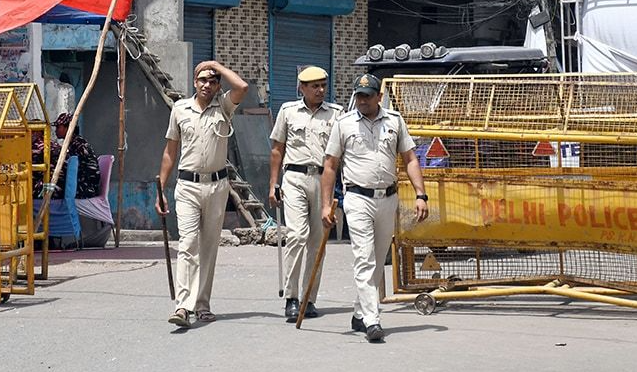
Delhi is reeling under an increasing water crisis, with falling Yamuna levels disrupting the supply from the Wazirabad and Chandrawal water treatment plants, adding to the city’s heatwave misery. The shortage has hit tail-end localities the hardest with residents reporting low and erratic water supply in several areas.
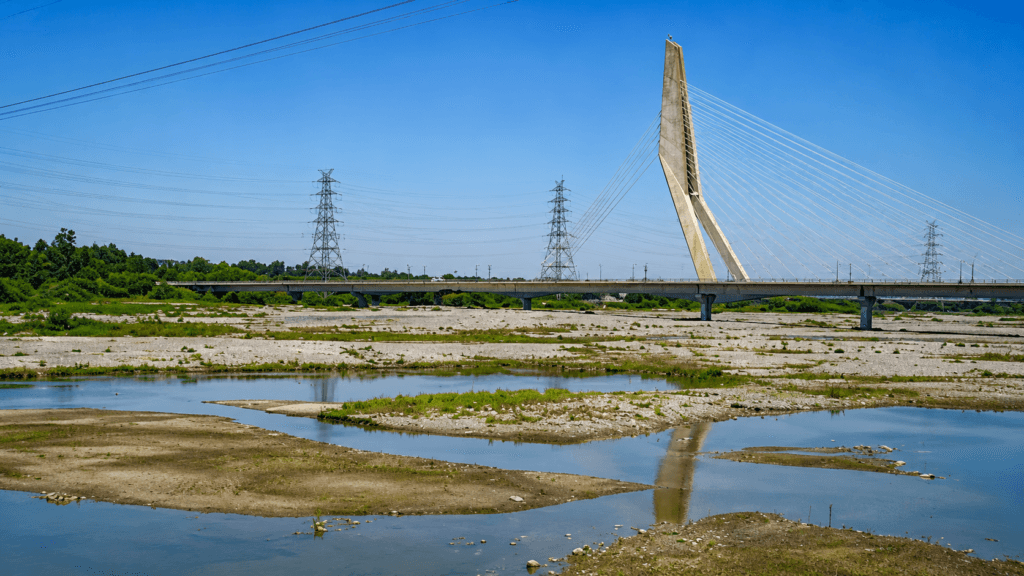
Low Yamuna water levels and disrupted supply at Delhi’s water treatment plants have left residents in several neighborhoods facing shortages.
Delhi Water Supply
Delhi’s water crisis has deepened as falling water levels in the Yamuna have reduced supply across the city, especially in areas at the end of the distribution network. Officials said the drop in raw water has affected operations at the Wazirabad and Chandrawal water treatment plants, both of which are key sources of drinking water for large parts of the capital.
The situation has come at the worst possible time, with residents already battling intense summer heat and rising demand for water. Delhi’s estimated daily water need stands at 1,250 million gallons per day (MGD), while the Delhi Jal Board supplies about 1,002 MGD, leaving an existing gap that now widens further during peak summer months. Yeh issue kaafi important hai because water shortage in Delhi quickly becomes a daily-life emergency, not just a utility problem.
What Is Happening
According to officials, the reduced flow in the Yamuna has lowered the raw water available at the Wazirabad barrage and pondage area, which acts as the primary holding point for water drawn from the river channel. The pondage level is supposed to stay at 674.5 feet above sea level, but a senior official said levels have dropped to around 669.8 feet.
That drop has had a direct impact on production. The Wazirabad water treatment plant, which supplies around 134 MGD to parts of north and central Delhi, is operating about 25 percent below normal capacity. Chandrawal, which produces 98 MGD for north, northwest, and central Delhi, has seen output reduced by around 10 percent. When these two plants slow down, the effect is quickly felt in homes, apartments, colonies, and commercial areas. The Hindustan Times has covered the full story.
The officials said the city is now trying to divert raw water from the Carrier Lined Canal, also known as Munak, toward Wazirabad. If the water level keeps falling, production could be hit even harder, and specialized pumps along with boats may have to be used to suck water from the pondage area. That detail alone shows how serious the situation has become. In simple words, the normal supply system pe pressure abhi kaafi zyada hai.
Why the Shortage Is Growing
Delhi’s water problem is not only about one low river level. It is also about the imbalance between demand and supply. The capital’s estimated water demand is 1,250 MGD, while the Delhi Jal Board is currently supplying about 1,002 MGD. That gap becomes worse from May to July, when temperatures rise, consumption goes up, and raw water availability tends to decline.
The city depends heavily on neighboring states for raw water, especially Uttar Pradesh, Haryana, and Punjab. That means Delhi’s supply is affected not just by local usage but also by upstream conditions, reservoir levels, and interstate water coordination. If water released from upstream points like Hathnikund does not arrive in sufficient quantity, Delhi’s treatment plants cannot produce enough clean water for everyone.
The shortage is also being worsened by the timing. Summer heat raises consumption in households, offices, and construction sites, while reduced river flow limits intake. So the system is hit from both sides: more demand and less raw water. That is why even a moderate dip in Yamuna levels can quickly turn into a visible crisis for residents.
Areas Feeling the Pressure
The curtailment has hit several areas, especially in central Delhi and other tail-end localities where water arrives last in the network. Reports from residents mention Patel Nagar J Block, West Patel Nagar, parts of Dwarka, Ambica Vihar Society, Paschim Vihar, Ramesh Enclave, and Sudarshan Park as the worst-affected zones.
This is a common pattern in Delhi’s water supply network. When supply is reduced, the areas at the far end of the pipeline often feel the shortage first and most severely. Water pressure drops, timing becomes irregular, and households may receive only a fraction of their usual supply. For families, that can mean waking up earlier to store water, relying on tankers or buying extra water cans.
Residents said they were not warned in advance about the low supply this time, which made the disruption even more difficult. In an urban city like Delhi, advance advisories matter because people can then store water, adjust usage, and prepare for irregular timings. Without notice, the impact feels much harsher.
Residents Speak Out
The shortage has already become a major concern for residents across several neighborhoods. Tajender Pal, a resident of Patel Nagar, said local people are struggling for water. His comment reflects what many Delhi households feel during peak summer when even a short disruption can affect cooking, bathing, and basic hygiene.
Ashok Kumar, a resident of Dwarka, said that Golf View Condo in Sector 19B, which houses over 1,000 families, has faced irregular supply for the past week. That is a significant problem because in large residential complexes, water shortage affects hundreds of households at once, creating stress and daily inconvenience.
Ashok Bhasin, president of the North Delhi Residents Welfare Federation, said no advisory was issued this time to help residents store water in advance. That criticism is important because water shortage management is not only about producing more water; it is also about communicating clearly with the public. If residents know a shortage is coming, they can prepare. If they do not, the impact becomes much worse.
Political Row
As the shortage worsened, the issue also turned into a political confrontation. Aam Aadmi Party national convener Arvind Kejriwal posted on X, asking who would have thought that the capital of the country would be in such a state. His comment framed the issue as a sign of governance failure and public distress.
Delhi water minister Parvesh Verma responded sharply, saying that during AAP’s 11 years in power, no real work had been done on water, sewers, or water storage. The exchange shows how water supply problems in Delhi often become part of a larger political blame game.
From a public perspective, though, the political back-and-forth does not solve the immediate shortage. Residents need water, not slogans. That is why such debates, while expected, can feel disconnected from the daily frustration of households waiting for tankers, buckets, or a few extra minutes of flow in the tap. In hinglish, seedhi baat yeh hai: logon ko paani chahiye, blame game nahi.
Also Read: Delhi Hospital Fire Tragedy: Six Newborns Killed, Several Injured in Vivek Vihar Blaze
Background
Delhi’s water stress is not new. Every summer, the city faces pressure on water supply due to high demand, heat waves, and dependence on external sources. The Yamuna plays a crucial role because Wazirabad and Chandrawal are among the capital’s largest plants, and both rely on sufficient raw water levels to function properly.
The Wazirabad barrage and pondage area are especially important because they act as the storage and intake point for raw river water. If the pondage level falls below the required benchmark, the treatment plants cannot draw enough water. That means the issue begins upstream but ends up affecting thousands of households downstream.
This also highlights a structural challenge in Delhi’s water planning. The city’s demand is huge, its supply chain depends on multiple states, and summer demand rises exactly when raw water becomes tight. Without better storage, conservation and coordination, the same pattern can repeat every year.
Timeline
Peak summer months: Demand rises while raw water availability falls.
Recent days: Yamuna levels decline and start affecting intake at Wazirabad and Chandrawal.
Current week: Delhi Jal Board supply is disrupted in tail-end areas.
Now: Residents report shortages, no prior advisory, and irregular water delivery.
Ongoing: Delhi is in talks with Haryana for additional water release from Hathnikund.
Why This Matters
This matters because water is the most basic urban necessity. When supply dips in a city like Delhi, the impact reaches homes, schools, hospitals, offices, and businesses almost immediately. A shortage in one area can quickly cascade into daily disruption across the capital.
It also matters because Delhi’s water supply problem is a broader urban governance issue. It is not enough to fix pipes or send tankers after the crisis begins. The real solution must include river management, interstate coordination, storage planning, leakage reduction, and early warning systems. Yeh issue kaafi important hai because water security directly affects public health, comfort, and economic activity.
India Angle
For Indian readers, Delhi’s water shortage is a familiar summer story, but it is also a warning about urban water dependence across the country. Many Indian cities rely on rivers, canals, and interstate transfers for water, and when those sources weaken, residents face immediate pain.
The India angle is also about climate stress. Heatwaves are becoming harsher, water demand is rising, and supply systems are under more strain than before. In Hinglish, yeh sirf Delhi ka problem nahi hai—yeh future ka urban India problem bhi hai. Cities across the country need stronger water planning before shortages become even more common.
Analysis
My view is that the most worrying part is not just the reduced supply but the lack of advance advisory for residents. Water crises become far more manageable when people know what to expect. The absence of notice suggests a communication gap, which often creates more public anger than the shortage itself. On the policy side, Delhi urgently needs better raw water resilience, stronger storage capacity, and clearer interstate coordination. Without that, the city will keep reliving the same summer crisis in different forms.
What Next
The next step will likely involve continued talks with Haryana over additional water release from Hathnikund, along with operational adjustments at Wazirabad and Chandrawal. If raw water levels improve, some relief may follow. If they remain low, more areas could face supply cuts and tanker dependence.
Residents should expect patchy supply for now, especially in the tail-end zones of the network. The DJB may also need to issue advisories, rotate supply timings, and intensify tanker support if the situation worsens. Longer term, Delhi will need more robust storage and planning so that one low-water spell does not trigger citywide distress every summer.
Conclusion
Delhi’s latest water supply hit shows how quickly the city can move from heat discomfort to a real utility crisis when Yamuna levels fall. With Wazirabad and Chandrawal operating below normal and tail-end colonies already feeling the strain, the situation has become a serious concern for residents.
The shortage is a reminder that water security needs constant planning, not only emergency response. Unless raw water availability, storage, and communication improve, Delhi may continue facing the same summer cycle of stress and scarcity. For now, residents are left dealing with the immediate reality: fewer drops, more waiting, and growing frustration.
Written By A. Jack