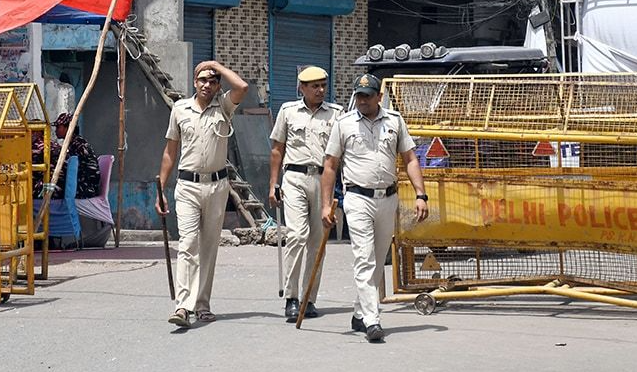
Six newborn babies were killed and many others injured in a devastating fire at a children’s hospital in Delhi’s Vivek Vihar area, with grief across the country as the President, Vice President and Prime Minister expressed their condolences. The fire broke out late at night and 16 fire tenders rushed to the spot while rescue teams fought to save the infants.
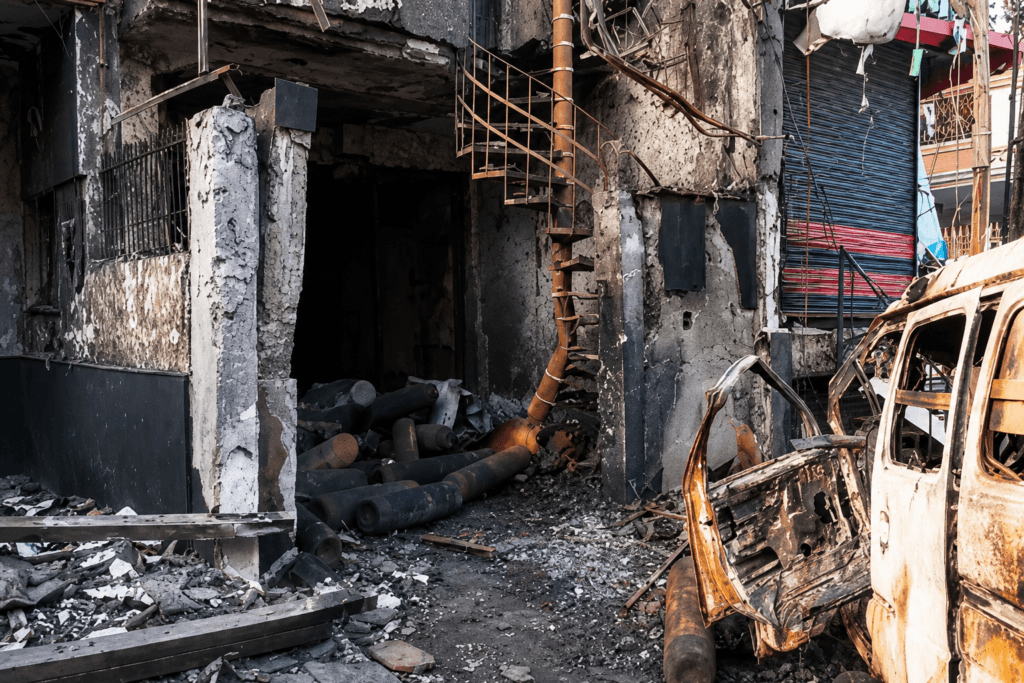
Firefighters and emergency responders outside the children’s hospital in Delhi’s Vivek Vihar after a massive blaze claimed the lives of six newborns.
Delhi Hospital Fire Tragedy
A tragic fire at a children’s hospital in Delhi’s Vivek Vihar area has left six newborn babies dead and several others injured, turning a place meant for healing into the site of heartbreaking loss. According to the report, the fire broke out late yesterday night and was reported to Delhi Fire Services at around 11.30 PM, after which 16 fire tenders were immediately sent to the location.
At least 12 newborn babies were rescued from the blaze, but the damage was already devastating. One infant is currently in the ICU, while five others have been admitted to a hospital for treatment. The cause of the fire is still not known, and officials are expected to investigate how the incident unfolded. Yeh tragedy bahut serious hai because it involves the lives of newborn children, making the emotional and human impact especially painful.
What Happened
The fire broke out inside a children’s hospital in Vivek Vihar, one of the most densely populated areas in east Delhi. Fire services received the emergency call around 11.30 PM, which suggests the incident happened during the late-night hours when response time becomes even more critical. Sixteen fire tenders were deployed, indicating the scale of the emergency and the seriousness of the blaze. The Akashvani News has covered the full story.
Newborns are among the most vulnerable patients in any medical facility. They depend entirely on hospital staff, medical equipment, and safe infrastructure. When a fire breaks out in such a setting, every second matters. According to the information available, 12 babies were rescued from the incident, but six newborns lost their lives and several others were injured. The fact that one infant remains in ICU and five more are in hospital care shows that the emergency response continued even after the fire was brought under control.
The exact cause of the fire has not yet been determined. That detail will matter a great deal because hospital fires can happen for several reasons, including electrical faults, equipment malfunction, oxygen-related hazards, or poor fire safety systems. At this stage, though, only the confirmed facts should be relied upon: the fire occurred, emergency teams responded, six newborns died, others were injured, and the cause remains under investigation.
Emergency Response and Rescue Effort
Delhi Fire Services responded quickly once the call was received. Sixteen fire tenders were dispatched to the hospital, which shows the scale of the rescue operation. In incidents involving infants, firefighters and medical responders often have to move very carefully because smoke, panic, and narrow passages can make evacuation difficult.
The rescue of 12 newborns suggests that hospital staff, firefighters, and emergency teams were able to save some lives despite the severe conditions. However, the fact that multiple babies still required ICU and hospital admission shows how dangerous the situation was. In a hospital environment, evacuation is not just about getting people out; it is about moving patients who may be connected to life-support equipment, oxygen lines, or incubators. That makes fires inside medical facilities especially dangerous and emotionally overwhelming.
When fire breaks out in a children’s hospital, the public naturally asks whether the building had adequate fire safety systems, whether staff had practiced evacuation drills, and whether emergency exits were functional. Those are questions that investigators will likely need to answer. In simple words, rescue hua but safety questions are now more important.
Condolences from Top Leaders
The incident drew immediate condolences from the country’s top constitutional and political leadership. President Droupadi Murmu called the deaths of the children heart-wrenching and expressed her sympathy to the bereaved parents and relatives. She also prayed for the speedy recovery of the injured children.
Vice President Jagdeep Dhankhar said he was extremely distressed by the loss of lives of newborn children in the hospital fire and extended condolences to the families. He also expressed hope that the injured would recover soon.
Prime Minister Narendra Modi described the tragedy as heart-rending and said his thoughts were with the bereaved families in this incredibly difficult time. He prayed for the injured to recover at the earliest.
These statements reflect the seriousness of the tragedy and the national scale of concern. When newborn children die in a hospital fire, the incident is not just a local news story—it becomes a national human tragedy. The response from the President, Vice President and Prime Minister underlines how deeply such events affect the country.
Background
Delhi, like many large Indian cities, has long faced concerns about fire safety in crowded buildings, hospitals, and commercial spaces. Hospitals are particularly sensitive because they contain vulnerable patients, specialized medical equipment, and oxygen systems. Even a small fire can turn deadly very quickly.
Hospital fire incidents in India often expose gaps in maintenance, inspections, and emergency preparedness. Many such tragedies eventually lead to familiar questions: Was the wiring checked? Were fire alarms working? Were emergency exits clear? Was staff trained to respond immediately? Those questions matter because hospital safety is not optional. A hospital must be one of the safest places in a city, not one of the most dangerous.
This latest tragedy in Vivek Vihar will likely revive discussion about fire audits, building compliance, and emergency systems in medical facilities across the country. That is why this story matters beyond the immediate loss of life.
Timeline
Yesterday night: Fire breaks out at a children’s hospital in Delhi’s Vivek Vihar.
Around 11:30 PM: Delhi Fire Services receives the emergency call.
Immediately after: 16 fire tenders are rushed to the scene.
During the rescue operation: 12 newborns are rescued.
After the fire: Six newborns are confirmed dead, one infant is placed in the ICU, and five others are admitted to the hospital.
Following the tragedy: The President, Vice President and Prime Minister issue condolences.
Also Read: Petrol Price Hike Hits Delhi at ₹102, Mumbai at ₹111 as Fuel Rates Rise Again Across Major Cities
Why This Matters
This matters because it involves the deaths of newborn children in a place that is supposed to provide protection and care. The emotional weight of the tragedy is enormous, and the incident raises urgent questions about hospital safety standards in India. If a children’s hospital can catch fire in the middle of the night, then families everywhere will naturally worry about how safe medical facilities really are.
It also matters because fire safety failures in hospitals can be preventable. Many such incidents are linked not only to the fire itself but also to gaps in preparedness, poor maintenance, and delayed response systems. Yeh issue kaafi important hai because it is about public trust in healthcare infrastructure. Parents should never have to fear that a hospital may become a danger to the very patients it is meant to protect.
India Angle
For Indian families, this tragedy hits very close to home. Hospitals are among the most trusted institutions in everyday life, especially for newborns and mothers. When something like this happens in Delhi, it immediately resonates across India because people begin asking whether similar risks exist in their own cities and towns.
The India angle is also about accountability. Citizens want to know whether fire audits are truly enforced, whether hospital staff are trained properly, and whether authorities act before tragedy strikes rather than after. In Hinglish, seedhi baat yeh hai: hospital mein safety pe compromise nahi hona chahiye. This is a national concern, not just a Delhi issue.
Analysis
My view as an editor would be that the biggest issue here is not only the fire itself but also what it likely reveals about preparedness. A hospital fire with newborn casualties points to systemic vulnerability, because such places should be equipped for fast evacuation and emergency containment. The story will almost certainly prompt demands for accountability and stricter fire-safety checks. Good reporting on this topic must stay factual, avoid speculation, and keep the focus on confirmed details while the investigation continues. The public needs clarity, not confusion, especially in a case this painful.
What Next
The next step will be a full investigation into the cause of the fire and the safety arrangements at the hospital. Authorities are likely to examine the electrical systems, fire exits, alarm response, equipment use, and compliance with safety norms. If negligence is found, there may be legal and administrative action.
There will also be pressure for broader checks on hospitals across Delhi and other cities. Families will expect stronger monitoring, regular fire drills, and stricter enforcement of safety standards, especially in neonatal and pediatric facilities. For now, the immediate focus remains on the injured infants and support for the grieving families. The coming days will determine whether this tragedy leads to real reform or becomes another painful reminder that safety lessons came too late.
Conclusion
The fire at the children’s hospital in Vivek Vihar is a devastating tragedy that has claimed six newborn lives and injured several others. The quick response by fire services saved some children, but the loss is still heartbreaking and deeply disturbing.
As the investigation continues, the bigger question will be whether this disaster could have been prevented. For parents, hospitals, and authorities alike, the message is clear: fire safety in medical facilities cannot be treated as routine paperwork. It must be a life-saving priority every single day.
Written By A. Jack