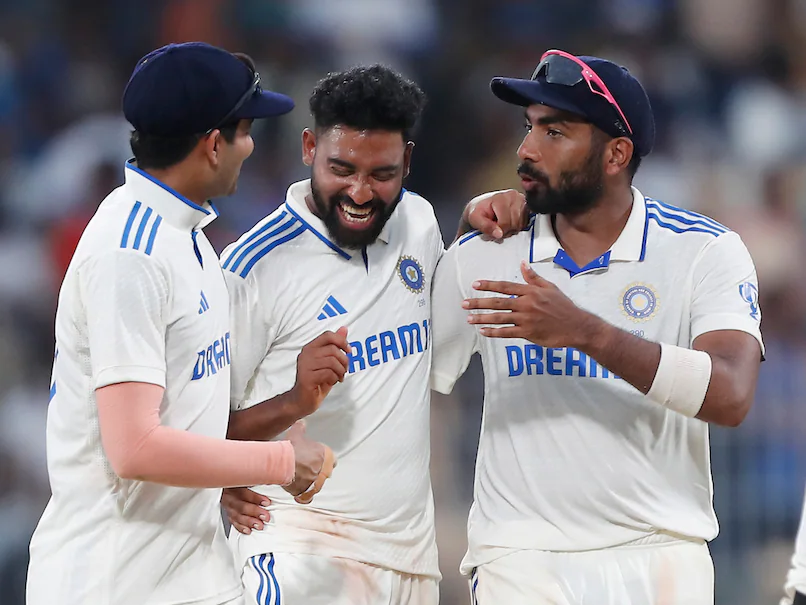
South Africa scored a penalty seven minutes from the end to come from behind to draw 1-1 with the Czech Republic in a tense FIFA World Cup 2026 Group A clash at the FIFA World Cup 2026 on Thursday. South Africa coach Hugo Broos reverted to a four-man defence after trying a five-man defence in their opening loss to Mexico, while the Czechs made five changes from the side that started in their loss to South Korea. The FIFA World Cup begins on June 10, and the final is on July 20.
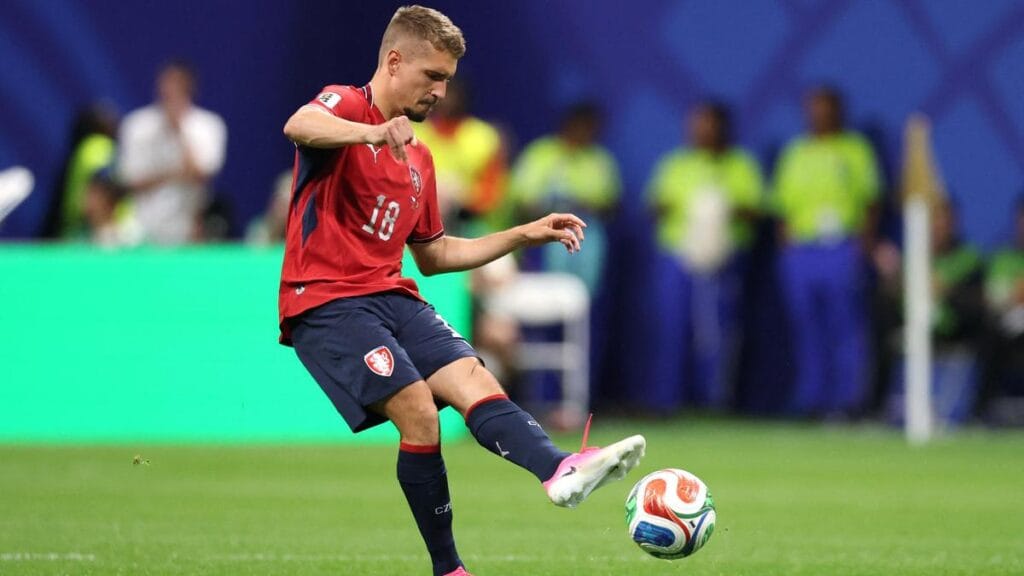
the 83rd minute to secure a 1-1 draw againstthe Czechh Republic in the FIFA World Cup 2026. Image Credit: The Hindu
South Africa scored a penalty seven minutes from full-time as they fought back to draw 1-1 with the Czech Republic at the FIFA World Cup 2026 on Thursday in a Group A clash after falling behind early. South Africa manager Hugo Broos ditched his experiment with a five-man defense used in their opening loss to Mexico. The Czechs made five changes from the side that started in their defeat to South Korea. The FIFA World Cup began on June 10 and ends with the final on July 20. The match showcased South Africa’s resilience and tactical shift, with the late penalty securing a crucial draw.
Why and HOW the Event Happened
South Africa’s late penalty was the turning point in the 1-1 draw. Falling behind early to the Czech Republic, South Africa struggled to break the Czech defense. However, Hugo Broos’s tactical shift—ditching the five-man defense used in the opening loss to Mexico—allowed South Africa to press harder and create chances. The Hindu has covered the full story.
The Czechs, making five changes from the side that started in their defeat to South Korea, brought fresh energy and reshaped their strategy. Their early lead gave them confidence, but South Africa’s resilience and Broos’s tactical adjustment kept them in the game.
Seven minutes from full-time, South Africa earned a penalty, which was converted to secure the draw. The late goal showcased South Africa’s determination and the impact of Broos’s decision to abandon the five-man defense.
The Group A dynamics saw both teams fight hard, with the Czechs’ early lead and South Africa’s late penalty defining the match. The 1-1 draw reflects the competitiveness of the group and the tactical choices made by both managers.
Quotes and Statements
South Africa manager Hugo Broos said, “We ditched the five-man defence after the loss to Mexico. It was a tactical shift to press harder. The late penalty was crucial, and the team showed resilience to fight back.”
The Czech Republic manager commented, “We made five changes to bring fresh energy. The early lead was good, but South Africa’s resilience was tough. The late penalty was a setback, but we’ll learn.”
A South Africa player stated: “The penalty seven minutes from full-time was special. Hugo’s tactical shift helped us press, and we didn’t give up. The draw is a good result.”
A football expert said, “Broos’s decision to abandon the five-man defence was key. Czechs’ five changes brought energy, but South Africa’s late penalty secured the draw. Group A is competitive.”
Background and Context
South Africa’s opening loss to Mexico saw them use a five-man defence, which proved ineffective. Hugo Broos’s decision to ditch this experiment in the Czech match was a tactical response to improve performance.
The Czech Republic’s defeat to South Korea prompted five changes to their side, aiming to bring fresh energy and reshape strategy. The early lead in the South Africa match showed their improved form.
Group A at the FIFA World Cup 2026 features competitive teams, with the 1-1 draw reflecting the group’s dynamics. The tournament began June 10 and ends with the final July 20.
Past World Cup matches have seen tactical shifts and late goals define outcomes. South Africa’s resilience and Broos’s decision highlight the importance of adaptability.
Timeline
June 10, 2026: FIFA World Cup 2026 begins.
Opening match: South Africa lose to Mexico with five-man defence.
Thursday (June 18, 2026): South Africa vs Czech Republic, Group A.
Early match: Czech Republic takes an early lead.
83rd minute (seven minutes from full-time): South Africa scores a penalty, drawing 1-1.
Hugo Broos: Ditch the five-man defence, tactical shift.
Czechs: Five changes from the South Korean defeat side.
July 20, 2026: World Cup final.
Why This Matters
This matters because South Africa’s late penalty and tactical shift showcase resilience and adaptability in World Cup competition. The draw boosts their Group A standing.
It also matters for the industry. Yeh issue kaafi important hai because it highlights how tactical changes (ditching five-man defence) can impact match outcomes, and late goals define competitiveness.
For fans, the draw is a memorable moment for South Africa, showing their fight. Czechs’ reshaping shows their effort to improve on South Korea’s defeat.
India Angle
The India angle is strong because Indian football fans follow the World Cup closely, and South Africa’s late penalty and tactical shift will resonate with them. Young Indian players will see adaptability as key.
In Hinglish, seedhi baat yeh hai: jab late penalty se draw hota hai aur team fight karti hai, toh pure desh mein excitement hota hai. Indian fans will celebrate South Africa’s resilience and this match will be discussed widely.
For Indian readers, this is a reminder that football is global, and tactical shifts like Broos’s decision are critical. South Africa’s draw will be celebrated in India.
Analysis
My opinion is that Broos’s decision to abandon the five-man defence was the turning point, allowing South Africa to press harder. The late penalty secured the draw, showcasing resilience.
Yeh match kaafi important hai because it highlights tactical adaptability and late goals in the World Cup. South Africa’s fight and Czechs’ reshaping define Group A.
What Next
South Africa will continue the Group A campaign, building on this draw. Hugo Broos may stick with the new tactical approach for next matches.
The Czech Republic will regroup, analyze the loss of the early lead, and improve for upcoming games. Their five changes may be refined.
The tournament will continue with more Group A matches, and fans will watch South Africa’s progress closely.
Broos’s tactical decisions will be scrutinized for future matches, influencing team strategy.
Conclusion
South Africa drew 1-1 with the Czech Republic in Group A at the FIFA World Cup 2026 on Thursday, scoring a penalty seven minutes from full-time after falling behind early. Hugo Broos ditched the five-man defence used in the opening loss to Mexico, while the Czechs made five changes from the South Korea defeat side. The match showcased South Africa’s resilience and tactical shift, with the late penalty securing a crucial draw. The World Cup began June 10, ends final July 20.
Yeh draw kaafi important hai because it highlights tactical adaptability and late goals in the World Cup. South Africa’s fight and Czechs’ reshaping define Group A, and Indian fans will celebrate South Africa’s resilience.
Written By A. Jack