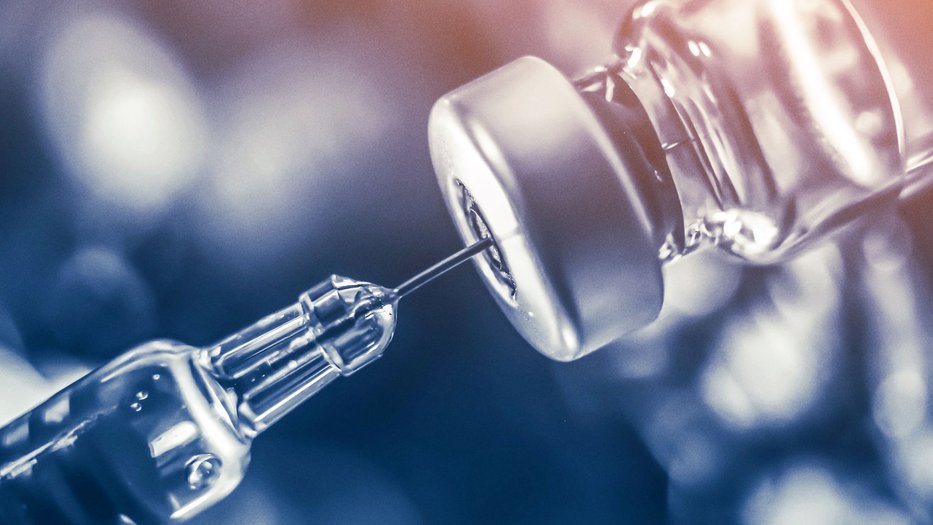
A landmark study in England found that deaths from cervical cancer among vaccinated young women have plummeted to nearly zero, with no deaths recorded among women aged 20 to 24 between 2020 and 2024. The HPV vaccine, made available to schoolgirl girls in 2008, has already saved around 200 lives in England, say researchers.
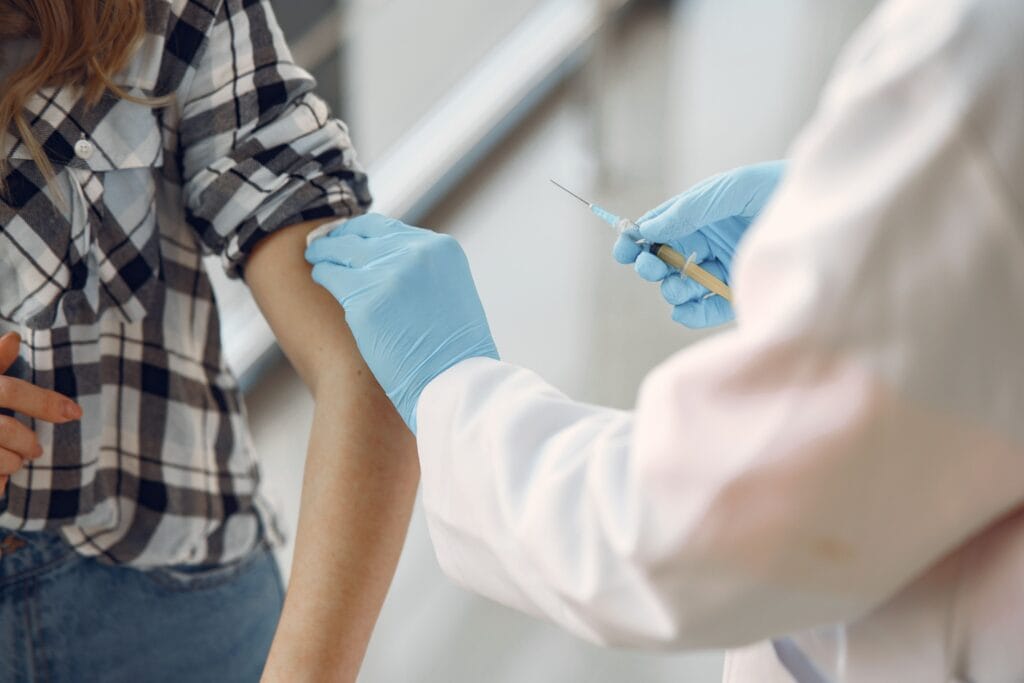
In England, vaccination campaigns in schools and among health workers demonstrate that immunisation against HPV is working well to prevent cervical cancer in young women.
Deaths from cervical cancer among young vaccinated women in England have fallen to almost zero, a major public health milestone, a new study says. The research, released Thursday, found that women vaccinated against HPV at ages 12 to 13 now have virtually no risk of dying from cervical cancer before age 30.
The findings are especially significant because this is the first study of its kind to be carried out in England since the HPV vaccine was introduced for British schoolchildren in 2008. There were no women aged 20 to 24 who died from cervical cancer between 2020 and 2024, something researchers say would have looked very different without vaccination. This news is quite important as it shows that prevention actually can save lives at scale.
What The Study Found
The study’s most striking finding was simple but powerful: vaccinated young women now have virtually no risk of dying from cervical cancer before the age of 30. Without the vaccine, an estimated 23 deaths in the 20 to 24 age group alone would have been expected over the 2020 to 2024 period.
The data also shows the HPV vaccine has already saved 200 lives in England. That’s a stunning result for a public health initiative based on one shot given in school years.
Prof. Peter Sasieni, the lead researcher at Queen Mary University of London, said, “It’s incredible to think that a single jab can almost eliminate a particular type of cancer.” His remark captures why this study is such a big deal: it turns the HPV vaccine from a theoretical prevention tool into a proven life-saving intervention.
Why The Vaccine Works
The HPV vaccine works because human papillomavirus, or HPV, causes most cervical cancers. Human papillomavirus (HPV) spreads through close skin-to-skin contact. Most HPV infections go away on their own, but some stay and can cause abnormal cell changes that later become cancer.
Timing is everything. With girls being vaccinated before exposure to the virus, they can develop protection early. The vaccine was first offered to school-age girls in England in 2008, and the long-term results are now coming into view.
And that is why this study is so important. It shows that the benefits of vaccination are not just short-term; they continue to grow as vaccinated cohorts age into adulthood. The BBC has covered this story.
England’s HPV Vaccine Success Story
Cervical cancer is the 14th most common cancer in women in the UK, with around 3,300 new cases diagnosed each year. “So while the vaccine has been a great success, the disease has not gone away and the public health challenge is not over.”
The current findings are the result of years of observation since the introduction of the HPV vaccination program in schools. That timing is important because serviceable cancer usually develops slowly, often years after HPV infection. Therefore, the full effect of prevention programs is seen only in long-term studies.
Cancer Research UK, which funded the research, called the findings an “incredible milestone.” But the group also warned that vaccination rates in England are below recommended levels, which means there is still work to do. In other words, the vaccine is a powerful tool, but coverage still matters a great deal.
Why This Matters
This matters, because it is one of the clearest examples of cancer prevention working in real life. The vaccine prevents the disease from starting, rather than waiting to treat advanced disease.
It matters, too, because cervical cancer has long been a disease of inequality, access and awareness. Such a result demonstrates that when vaccination is delivered on a large scale and on time, outcomes can be dramatically improved. ”That is a big message to health systems around the world.
For families, that means peace of mind. For policymakers, it means protecting and expanding the HPV program. And for young women, it reinforces a simple truth: preventive health care can change the future. Yeh point kaafi strong hai because it shows public health investment pays off in very real terms.
What means for India’s HPV Vaccination Drive
The study is very relevant for India, where cervical cancer is also a major public health problem. Access to vaccination, screening and awareness is unequal across regions and many women are diagnosed late.
The England results provide a useful lesson: vaccinating early in adolescence can save lives decades later. Such evidence can help build trust in vaccination campaigns in India, where many families have limited awareness about HPV.
It also matters because many Indian readers still think of cervical cancer as something that only screening can address. Screening is crucial, but this study shows prevention can start much earlier with the HPV jab. That combination of vaccination plus screening is the real long-term solution.
More Related: Cervical Cancer Prevention: Symptoms, Causes, Screening and Global Elimination Efforts
Expert And Public Response
Michelle Mitchell, chief executive of Cancer Research UK, said the results were an “incredible milestone” and the vaccine is “really effective at preventing cervical cancer before it starts.” She added, “For the first time the research shows it is already saving lives.
This is an important statement, as it confirms the transition from promise to proof. Public health experts have long believed in the vaccine, but this study shows a measurable mortality impact in young women.
The report also included the story of Alexandra Legg, who left school just before the HPV vaccine was introduced in England and was diagnosed with cervical cancer at age 30 in 2021. Her situation is a reminder that not everyone had access to the earlier rollout and that timing can be important for life trajectories.
Timeline in England’s HPV Vaccine Rollout
2008: HPV vaccination begins being offered to school-age girls in England.
2020 to 2024: No cervical cancer deaths are recorded in women aged 20 to 24.
Thursday: Researchers publish the landmark findings.
Now: Scientists expect deaths to continue falling as vaccinated groups age.
This timeline illustrates how a childhood vaccination program can result in adult health benefits many years later. That gradual but powerful effect is precisely why vaccination policy is so important.
What the Study Means for Cervical Cancer Prevention
The most important thing we learned from this study is that prevention is better than treatment when done early and regularly. Cervical cancer is still with us, but the deadly toll has been almost wiped out in this age group of vaccinated young women.
There is a policy lesson here as well. High vaccine effectiveness does not mean high protection for the public. Where vaccination coverage remains below recommended levels, some young women will continue to be vulnerable and progress can stall.
The study also suggests that the impact of HPV vaccination will likely grow over time. As vaccinated girls become older women, more cases and deaths should continue to decline. That means today’s vaccination coverage shapes tomorrow’s cancer burden.
What’s Next After the HPV Vaccine Success in England
The next step is improving vaccine uptake so that more girls are protected before HPV exposure. Health experts will likely continue pushing for higher school-based vaccination coverage and better public education around cervical cancer prevention.
Researchers will also keep track of how mortality trends shift as the vaccinated generation ages. If the trend continues, the England study could provide a model for other countries trying to reduce cervical cancer deaths.
For India and other countries, the critical question is how to translate this success into local action. To get similar results, we will need wider vaccine access, public awareness and regular screening. Without that, prevention is patchy.
Conclusion
The study in England is a huge breakthrough in the battle against cervical cancer. The fact that HPV vaccination has reduced young women’s deaths to near zero is proof that one of the world’s most preventable cancers can also be one of the most controllable.
The message is simple but powerful: vaccinate early, screen regularly, and keep strong public health programs. If countries follow that path, cervical cancer deaths can fall, and more lives can be saved.
–Written by A. Aisha–