Telangana has breached the 91,000 beneficiaries mark in its HPV vaccination drive, but close to 2.85 lakh eligible girls are still to be vaccinated as the state races against the extended deadline in August. Health officials are now ramping up efforts in schools and government health centres to increase coverage and protect girls from cervical cancer later in life.
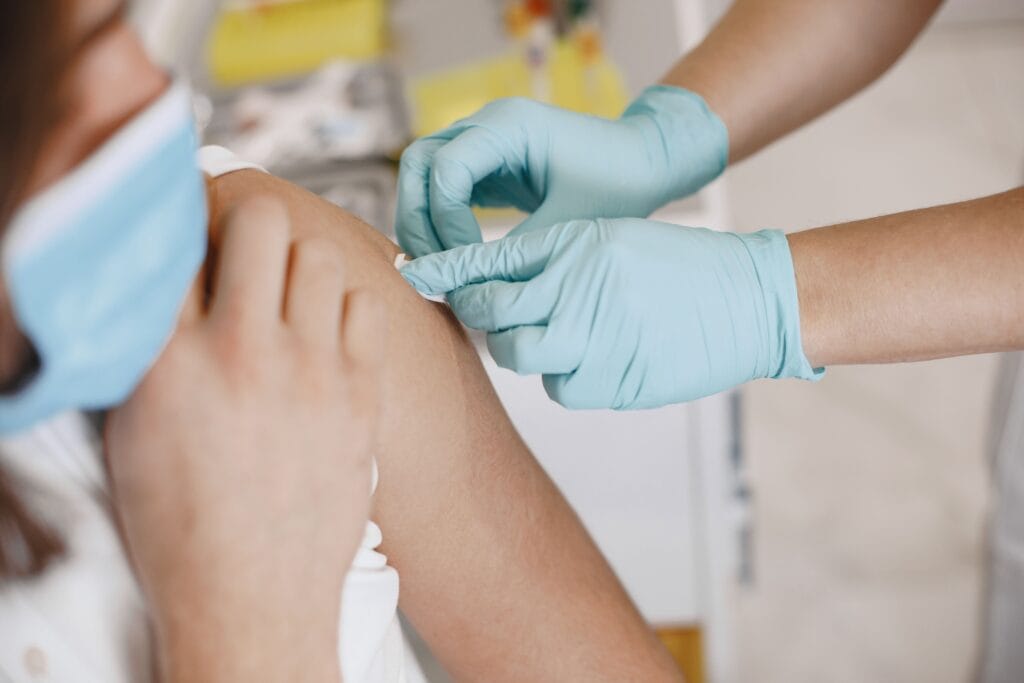
Health workers and school staff are helping Telangana’s HPV vaccination programme as the state is trying to cover all eligible adolescent girls in all districts.
According to the latest available figures, 91,289 girls have been covered under the HPV vaccination drive in Telangana till June 17. The campaign is part of a statewide immunization effort targeting girls around age 14, with the broader goal of reducing the future burden of cervical cancer.
But the numbers also show that the job is far from over. When the earlier count of 80,951 vaccinated girls was recorded, Telangana’s coverage stood at about 28.4 percent and around 2.85 lakh girls in the target group have still not been vaccinated. The Union government has now extended the deadline for the campaign from June 8 to August, giving states more time to boost participation. This is huge because this is not just about one vaccination campaign; it is about preventing a major cancer years before it happens.
What The Drive Is About
The HPV vaccine prevents human papillomavirus, the primary cause of cervical cancer. Health experts have repeatedly said that vaccinating girls before they are exposed to the virus can dramatically reduce future cancer risk, and some studies have shown it can essentially eliminate the risk of dying from cervical cancer before age 30.
The campaign in Telangana is targeted at adolescent girls and is being delivered through schools and government health facilities. Authorities are trying to ensure that eligible girls are brought to primary health centers, area hospitals, urban primary health centers, community health centers, medical colleges and government hospitals for vaccination. The Deccan Chronicle has covered this story.
A source quoted in the report said government teachers are being asked to help mobilize eligible girls. That school-linked approach is important because vaccination campaigns often succeed when education, community outreach and health services work together.
Why Coverage Has Lagged
The Union government has extended the vaccination drive till August from the earlier deadline of June 8 due to practical difficulties on the ground. Officials blamed the delay on summer vacations, extreme heat, examinations and the state machinery’s involvement in other programmes.
Those reasons are believable and familiar in public health work. In India, school-based vaccination drives often face timing issues because attendance drops during vacation periods, and examinations can disrupt outreach. Extreme heat also makes travel and outdoor mobilization harder for families and field staff.
That said, the coverage gap in Telangana is still significant. With nearly 2.85 lakh girls remaining unvaccinated, the state will need a much stronger push in the coming weeks if it wants to catch up with faster-performing states.
How Telangana Compares With Other States
The latest national figures place Telangana at about 15th rank among 36 states and UTs. That puts it in the middle of the pack, but still below several states that have already surpassed their target cohorts.
Gujarat leads with 108.05 percent coverage, followed by Madhya Pradesh at 101.63 percent, according to the June 5 report from the Union Ministry of Health and Family Welfare. Mizoram has 89.84 percent, Bihar has 84.5 percent, and Andhra Pradesh has 70.28 percent.
Read Also: HPV Vaccine Brings Cervical Cancer Deaths for Young Women to Zero in England
These numbers show two things. First, the vaccination drive is moving well in some states. Second, there is still a wide gap between leaders and laggards, which suggests that local administration, school participation and community outreach are making a real difference.
Why This Matters
This is important as cervical cancer is one of the most serious cancers affecting women in India and one of the most preventable cancers. According to the report, WHO Globocan 2022 figures show India has over 120,000 new cervical cancer cases and around 80,000 deaths annually.
“That’s a big public health burden. “If a vaccine can prevent many of those future cases, then delays in coverage aren’t just administrative problems — they’re lost chances to save lives. A missed vaccination today can become a much bigger health problem years from now.
For families, this is also about reassurance. Parents may not always see the immediate benefit of a vaccine given in adolescence, but the long-term payoff is enormous. That is why awareness, trust, and easy access matter so much.
What it means for India’s HPV Vaccination Drive
For Indian readers, the Telangana vaccination drive is a small piece of a much larger health story in the country. India has made progress on vaccination and preventive care but the uptake is often dependent on awareness at the local level. In many districts, families lack complete information on HPV, cervical cancer or the importance of vaccinating girls before they become adults.
This is where schools and government health workers come in. A good drive can reach children who may not get the vaccine because of cost, confusion or lack of medical access. Yeh approach practical bhi hai aur जरूरी bhi, especially in a country as large and diverse as India.
The Telangana example also matters because it shows how public health campaigns are not only about medicine. They are also about timing, transport, school coordination, climate conditions, and local communication. Small logistical issues can make a big difference in vaccination numbers.
Expert And Administrative Push
Now health officials in Telangana are trying to accelerate the campaign by focusing more strongly on government school students. Teachers are being asked to mobilize eligible girls and guide families to vaccination centers.
Such collaboration is often the difference between a public health drive succeeding or sputtering. Teachers are trusted local voices and, in many communities, can be more effective at answering parent concerns and promoting participation than notices alone.
The extended deadline until August gives the state a second chance. But time alone will not solve the gap. The campaign will need clear scheduling, better communication, and a sustained effort at the district and school levels.
Background And Public Health Importance
The HPV vaccine is one of the most powerful tools we have to prevent cervical cancer. Studies in the wider health context cited suggest the vaccine can effectively cut the risk of death from cervical cancer before age 30 to effectively zero if given at the right age.
Which makes vaccination of adolescents all the more important. The concept is simple: protect girls before exposure, rather than treating a disease years later. Prevention is always cheaper, easier and more human than late-stage treatment.
Cervical cancer also has broader social consequences. It affects women in their most productive years, impacts families, and can create deep financial strain. Preventing it through vaccination is, therefore, not just a medical measure but also a social and economic investment.
What Telangana’s HPV Drive Means for Cervical Cancer Prevention
The figures from Telangana speak of a campaign on the move, but not fast enough yet. It is a good achievement to reach 91,289 beneficiaries, but when the target cohort is 2.85 lakh, the pace needs to be sharply accelerated.
The comparison with states like Gujarat and MP shows that better coordination can yield better results. High coverage usually hinges on strong district administration, school participation and a clear strategy to reach eligible girls even when normal academic schedules are disrupted.
There is also a communication challenge. Some parents may not yet understand the vaccine’s purpose or may confuse it with routine childhood immunization. That means the campaign needs more than just logistics — it needs explanation, trust-building, and repeated messaging in simple language.
Timeline
June 5: Union Ministry report shows national HPV coverage figures across states.
June 8: Original deadline for the campaign passes.
June 17: Telangana’s vaccination count reaches 91,289 beneficiaries.
June to August: The Union government extends the campaign window by three months.
August: New deadline by which states are expected to expand coverage.
This timeline implies that Telangana and other lagging states have a crucial few weeks ahead. Extra time is only useful if used effectively.
What’s Next in Telangana’s HPV Vaccine Drive
Then there is a need for increased mobilization in schools and health centers in Telangana. District officials will likely focus on tracking down unvaccinated girls, working with teachers and making sure vaccination sites are accessible.
If the campaign gathers steam, the state could close a good chunk of the gap before the August deadline. If not, it could be below its target, leaving loads of girls unprotected in the meantime.
The real test will ultimately be whether HPV vaccination becomes more routine and less campaign-dependent. That would be the strongest sign that prevention is becoming part of normal public health practice in India.
Conclusion
Telangana’s HPV vaccination drive has reached a significant milestone, but the job is not done yet. With 91,289 girls vaccinated and almost 2.85 lakh still waiting, the next phase of the campaign will determine how much of the target the state can actually achieve.
The bigger message is clear: HPV vaccination is not just a health campaign; it is a future cancer prevention strategy. If the state closes its coverage gap before the extended deadline in August, it will move a step closer to protecting thousands of women from cervical cancer later in life.
–Written by A. Aisha–