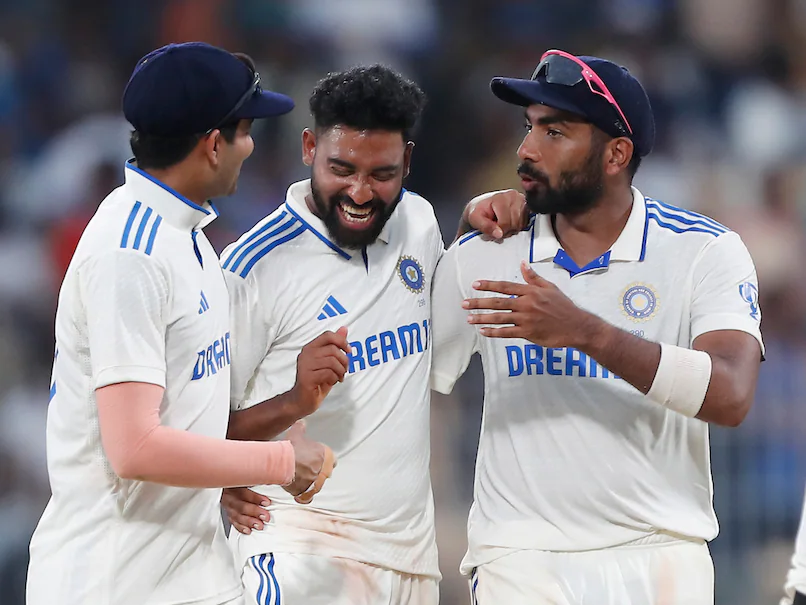
India’s all-round series win was capped with a strong tour in Harare as captain Shreyas Iyer claimed his second win. India once again showed the depth and control in the young squad for the hosts after earlier knocking down Zimbabwe with 219/5 and 192/5.
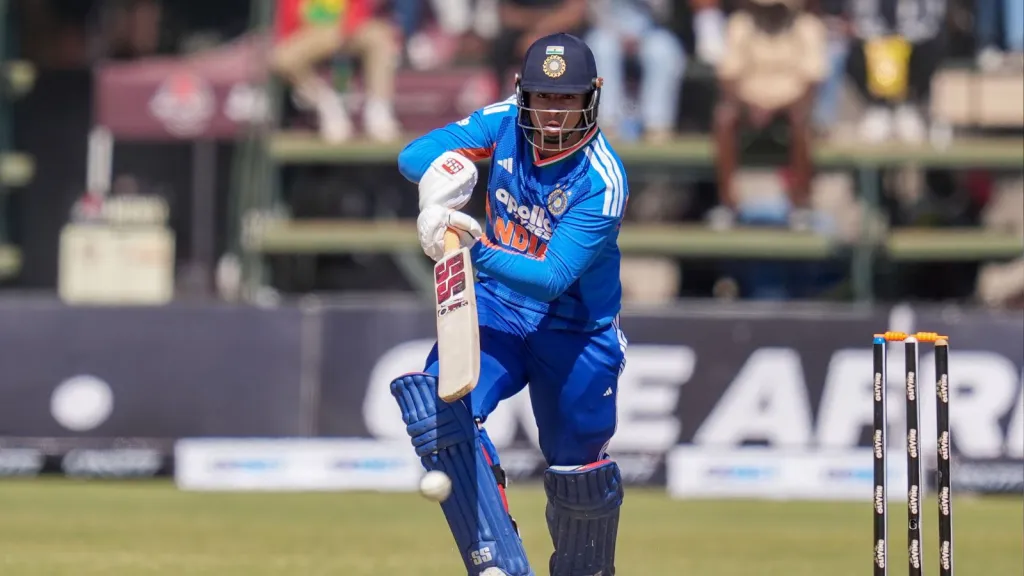
Vaibhav Sooryavanshi’s explosive 49-ball 81 set up India’s total of 192/5. Image Credit: The IndianExpress
INDvsZIM 3rd T20I: India defeated Zimbabwe by 35 runs in the third and final T20I at Harare Sports Club on Sunday, sealing a 3-0 whitewash and finishing the tour with authority. After being asked to bat first, India rode on Vaibhav Sooryavanshi’s brilliant 49-ball 81 to post 192/5, a total that proved enough despite Zimbabwe’s efforts to stay in the chase. The win rounded off a successful series for Shreyas Iyer’s side and confirmed India’s superiority throughout the tour.
This result mattered because it came after India had already taken the series with back-to-back wins. A whitewash is never just about the scoreline in T20 cricket; it reflects control, consistency and the ability to close out a series without allowing the opposition any late momentum.
How India Won
India’s innings was built around Sooryavanshi’s commanding knock, which stood out for timing, confidence and maturity. A 49-ball 81 in T20 cricket is the kind of innings that shifts the shape of the entire match because it gives the batting side both stability and acceleration. India did not need an ultra-aggressive all-out assault; they needed one substantial score, and Sooryavanshi provided exactly that. This story was also covered by The IndianExpress.
The target of 193 was competitive on paper, but not out of reach for Zimbabwe if they had produced a near-perfect chase. However, India’s bowlers kept applying pressure and never allowed the hosts to settle into a comfortable rhythm. The result was a 35-run win that looked controlled rather than desperate.
Shreyas Iyer’s captaincy deserves mention here too. After earlier disappointments against Ireland and England, this tour gave him the sort of confidence-building series victory every new captain wants. Two dominant wins in the second and third T20Is underlined that India were not just winning, but doing so in a structured and composed way.
Zimbabwe’s Chase
Zimbabwe did not fold immediately, but they were always behind the required rate after India’s strong total. In T20 cricket, once the asking rate begins to climb above comfort level, the pressure shifts quickly onto the batting side. That is exactly what happened here as Zimbabwe found the chase increasingly difficult to sustain.
The hosts needed partnerships and a few bold overs to swing momentum, but India’s attack kept striking at the right moments. That prevented Zimbabwe from building the sort of innings that could threaten a 190-plus target. Even when Zimbabwe tried to push back, India’s bowling discipline kept the game under control.
A 35-run margin may sound modest compared with the previous two matches, but in a final T20I it still reflected a clear gap between the sides. India were never in danger of losing their grip on the series, and the bowlers made sure the ending matched the dominance shown earlier in the tour.
Vaibhav Sooryavanshi’s Knock
The biggest batting highlight of the match was Vaibhav Sooryavanshi’s 81 off 49 balls. For a young player, innings like this are valuable because they show not just talent, but temperament. Big shots are always useful, but what matters more is the ability to bat through the innings and still score at a strong rate.
Sooryavanshi’s knock gave India the platform they needed to finish with 192/5. That total became more significant because the pitch and match situation demanded a batter who could hold the innings together while keeping the scoreboard moving. He did both. That is why his innings will be remembered as the defining batting performance of the final T20I.
This also adds to India’s growing list of emerging white-ball performers. Young players stepping up on tour is a healthy sign for any cricketing nation, and India have been especially strong in creating new batting options. That depth matters now and even more in the future.
Series Context
This match was the final chapter of a three-match series that India had already controlled from the second game onwards. The second T20I had been a statement performance, with Ishan Kishan and Tilak Varma powering India to 219/5 before the bowlers crushed Zimbabwe by 90 runs. That win had already sealed the series and gave India momentum heading into the finale.
The first two matches made it clear that India had the stronger batting and bowling unit. The third T20I confirmed that gap and gave the visitors a complete 3-0 result. In cricket, clean sweeps are useful not only for statistics but also for confidence, squad testing and future selection debates.
For Shreyas Iyer, this series also represented a much-needed response after earlier struggles as captain. Winning a series away from home, and then finishing it with a whitewash, is the kind of result that changes how a captain is viewed. It gives the leadership group something positive to build on.
Timeline
First T20I: India establishes control early in the series.
Second T20I: Ishan Kishan and Tilak Varma star in a 90-run win, giving India an unassailable lead.
Third T20I, Sunday: Shreyas Iyer wins the toss and India bats first at Harare Sports Club.
India’s innings: Vaibhav Sooryavanshi scores 81 off 49 balls as India post 192/5.
Zimbabwe chase: The hosts are kept under pressure and India win by 35 runs.
Series result: India complete a 3-0 whitewash.
Why This Matters
This matters because it shows India’s bench strength in action. A successful tour is not just about the headline names; it is about players stepping up when given a chance. Sooryavanshi’s innings, Kishan’s earlier 81 and Tilak Varma’s 60* all point to a team producing options rather than depending on just one performer.
It also matters because captaincy transitions are never smooth. A first series win, followed by a whitewash, helps a new captain settle in and establish trust in the dressing room. Yeh issue kaafi important hai because confidence at the captaincy level often spreads through the whole team.
For Indian cricket fans, this kind of away win is reassuring. It suggests that even when senior stars are rotated or absent, India still has enough firepower to dominate a series. That depth is one of India’s biggest strengths in modern cricket.
India Angle
For Indian readers, the key takeaway is simple: India’s next generation is delivering. In Hinglish, seedhi baat yeh hai ki team mein naya talent aa raha hai aur pressure mein perform bhi kar raha hai. That is exactly what every cricket fan wants to see between major ICC events.
The Harare tour also matters because it gives the selectors real match data rather than practice impressions. Performances in overseas conditions are always more valuable because they show whether players can adapt away from home. This series suggests that India’s younger players are increasingly capable of doing that.
There is also a wider emotional angle. A clean 3-0 win is the kind of result that keeps fans engaged and optimistic. It reinforces the sense that Indian cricket is not only successful but also continuously producing fresh options for the future.
Analysis
My opinion is that the most valuable part of this series is not simply the win, but the pattern of performances. Ishan Kishan, Tilak Varma and Vaibhav Sooryavanshi each contributed in different matches, which tells us India are not relying on one match-winner. That is the mark of a healthy T20 unit.
I also think the series will boost Shreyas Iyer’s standing because captaincy is often judged by results more than speeches. A 3-0 win, especially after earlier disappointments in leadership roles, gives him a better platform going forward. In cricket, momentum matters, and this tour gives India plenty of it.
What Next
The immediate next step for India will be to assess which players from this series are ready for bigger challenges. Strong performances in Zimbabwe do not automatically guarantee long-term selection, but they do strengthen a player’s case. Sooryavanshi’s innings, in particular, could push him higher in discussions around future white-ball plans.
For the team management, the whitewash is a positive sign that the current system is producing results. The challenge now is to carry this confidence into tougher opposition and more demanding conditions. That will be the real test.
Zimbabwe, meanwhile, will likely look at this series as a learning opportunity. They had moments of fight, but India’s deeper batting and sharper bowling exposed the gap in consistency. If they can turn those flashes into longer partnerships, they will be more competitive next time.
Conclusion
India’s 35-run win in the third T20I completed a dominant 3-0 whitewash of Zimbabwe in Harare and gave Shreyas Iyer another major boost as captain. Vaibhav Sooryavanshi’s brilliant 81 off 49 balls set the tone, and the bowlers ensured the hosts never got close to turning the chase into a real contest.
The larger story is India’s growing depth. With multiple young players stepping up across the series, the tour offered a very encouraging picture for the future. In short, India did not just win the series; they sent a clear message that their white-ball pipeline remains strong.
Written By A. Jack