Viral Video Sparks Nationwide Debate on Medical Ethics, Professional Conduct, and Respect for Body Donors as Mumbai’s KEM Hospital Initiates Disciplinary Action
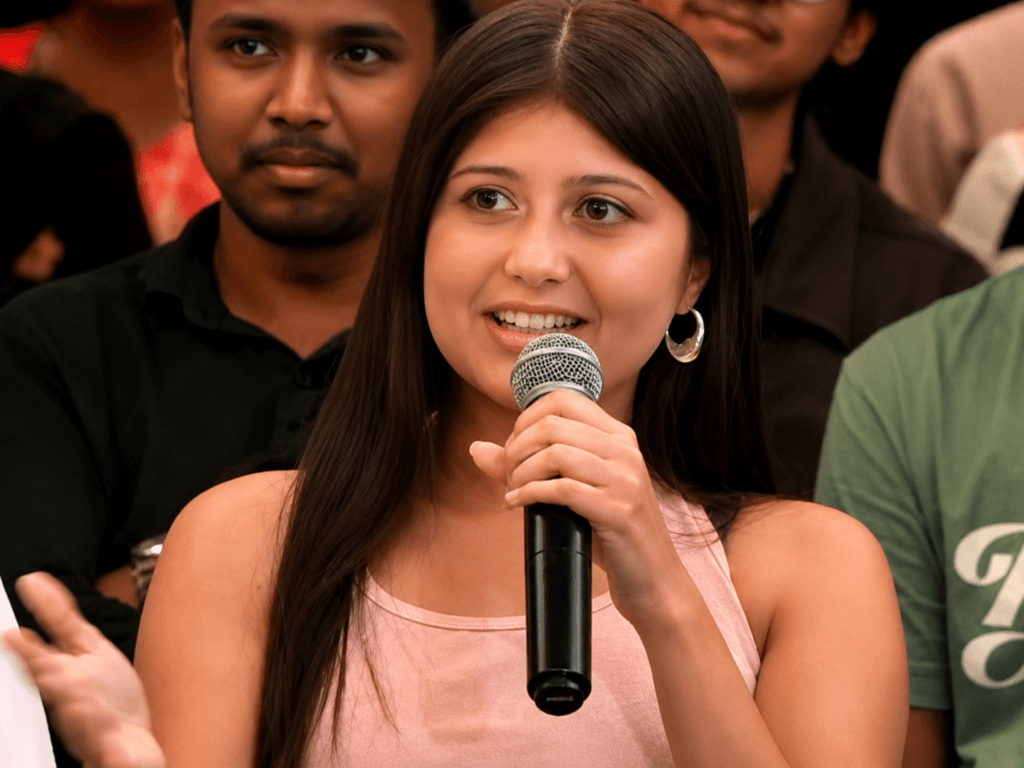
MBBS student Sejal Pawar|Image cradit to DNA India
The show of comedian Pranit More has become a viral video clip on the internet. The clip was widely debated by the public, outraged on social media, and acted upon by the institution, leading to a controversy involving MBBS student Sejal Pawar of Mumbai’s prestigious KEM Hospital and Seth GS Medical College. The clip reportedly showed Pawar making insensitive remarks about male cadavers during an interaction with the audience, prompting a lot of viewers, medical professionals and students’ organisations to question if the remarks went against the ethical standards expected from future doctors.
Following the backlash, KEM Hospital took a serious note of the matter and ordered an internal inquiry. The hospital authorities described the remarks as “insensitive” and “objectionable”. A fact-finding committee was formed to probe the incident and find out whether disciplinary action was needed. Pawar later issued a written apology, reports said, expressing regret over the controversy.
What began as an internet controversy has now become a broader conversation about medical professionalism, respect for human remains and the responsibility of healthcare students in the age of social media.
How the Controversy Began
The controversy erupted over a video clip which was recorded during a comedy show hosted by comedian Pranit More. Sejal Pawar is reportedly said to have made remarks about male cadavers used for medical education and anatomy classes in an interaction with the audience. The remarks were widely interpreted as insulting to the dead and to body donors. The clip went viral on social media and drew condemnation from the general public and the medical community.
Many social media users said body donors make an amazing contribution to medical science by voluntarily donating their bodies for educational purposes. Critics argued that public embarrassment or inappropriate talk about cadavers could erode the dignity that body donation programmes represented.
The pushback was even more intense when medical students, doctors and ethics advocates spoke out, noting that cadavers are frequently referred to as “first teachers” in medical school because they provide students with their first practical experience with human anatomy.
KEM Hospital’s Response
As the controversy snowballed into a national issue, KEM Hospital issued a statement to confirm that it had taken serious note of the viral video. The comments were being reviewed as part of an internal investigation, the institution said. “Hospitals expect medical students to always maintain dignity, empathy and professional responsibility,” officials said.
The comments, it is said, were found by the inquiry to be inappropriate and not up to the standards of a medical student. Preliminary findings prompted hospital authorities to place Pawar on a 15-day forced leave and temporarily bar her from entering the hospital campus, college premises and hostel while further proceedings continued.
Reports also said that Pawar’s parents were called in to meet institutional authorities and counselling sessions were recommended as part of the response process. All aspects of the case will be considered by the hospital before any disciplinary decisions are communicated.
Public Reactions and Social Media Debate
Soon, the controversy became one of the most talked about topics across social media platforms. The comments prompted thousands of criticisms from users, who said that medical professionals have a special ethical duty to both the living and the dead.
Several physicians and medical students voiced public concern that such remarks could erode public confidence in medical institutions and programmes of body donation. Many stressed the need for dignity in any discussion of human remains, no matter the context.
At the same time, some voices argued that, while the comments were inappropriate, online harassment and personal attacks against the student should not be encouraged. MARD, the Maharashtra Association of Resident Doctors, apparently said the comments were inappropriate but also told the public not to indulge in excessive trolling and harassment.
The divide highlights a bigger debate about accountability, outrage on social media and the distinction between criticism and online abuse.
Apology and Emotional Reaction of Sejal Pawar
Following the backlash, Sejal Pawar has reportedly issued a written apology and admitted her statements had caused hurt and controversy. According to multiple reports, she has accepted accountability for what she said and apologised for how the comments were taken by the public and the medical community.
Hospital officials later said Pawar was very emotional during the inquiry process and was crying continuously while giving her statement. Later, authorities offered counselling to help people deal with the emotional toll of the controversy and prevent stress-related mental health problems.
This new development adds another layer to the story, highlighting the deep psychological toll that public controversies in the digital age can take on those involved.
Background: Why Cadaver Respect Matters in Medical Education
To understand why the controversy provoked such a strong reaction, it helps to understand the role cadavers play in medical training.
In India and across the world, medical students spend months studying the anatomy of human bodies donated for science. These donors donate their bodies to medical science after they die, providing future doctors with the opportunity for hands-on experience that can’t be perfectly replicated with textbooks or digital simulations.
This is why many medical institutions place emphasis on respect, confidentiality and gratitude towards body donors. Students are often told to treat cadavers with the same dignity as living patients. Many medical schools have a tradition of ceremonies to recognise body donors and to acknowledge their contribution to education and health care.
Body donation programmes must be run with respect to gain and maintain public trust and to sustain future donations that support medical training, medical experts say.
Timeline of Events
A video clip of Pranit More’s comedy show started doing rounds in the internet earlier this month. Shortly after, social media users condemned the comments, with discussions on medical ethics and professionalism coming to the fore.
Amid rising public outcry, KEM Hospital admitted to the controversy and ordered an inquiry into the fact. Preliminary findings reportedly found the comments were insensitive and objectionable. Sejal Pawar later submitted a written apology. The hospital authorities have also taken disciplinary action against the two doctors and have recommended counselling for them and a forced leave of 15 days. Further administrative action is being considered.
Why This Matters
What’s at stake in this debate is one of the most fundamental principles in healthcare: respect for human dignity.
Medicine is a profession built on trust. Patients entrust physicians with sensitive information, make life-altering decisions, and even make end-of-life decisions. Body donors and their families expect medical institutions to also treat donated remains with dignity and professionalism.
The perception of disrespectful public comments calls into question institutional culture and ethical standards. This issue is very important because public confidence in healthcare systems depends not only on medical expertise but also on empathy and professionalism.
The episode also shows how social media can rapidly spin local controversies into national debates that can have an impact on careers, reputations and institutions within days.
India Angle
In India, where the doctor-patient relationship is already under stress because of increasing healthcare problems, episodes of ethical concern often attract considerable public attention.
The controversy has struck a chord because it concerns one of the most venerated government medical institutions in Mumbai. For many Indians, doctors are a symbol of trust and responsibility, and any accusations of misconduct are especially delicate.
The case also points to the need for teaching communication ethics along with medical science. Today’s doctors don’t just work in hospitals; they work on social media, podcasts, public events and digital platforms. The expectations of professionalism now extend well beyond clinical settings.
Analysis
From a journalism standpoint, this controversy isn’t just about one viral comment. It raises big questions about professional conduct in a time when every utterance can be recorded, broadcast and dissected by millions of people.
As a news writer, my take is that institutions need to balance accountability and fairness. If comments are found to be in violation of ethical standards, appropriate corrective action is required. But discipline should be based on fact and due process, not outrage.
KEM Hospital’s response seems to be addressing both the concerns. The institution is trying to uphold professional standards through inquiry, examination of evidence and counselling support while at the same time addressing the welfare of the student concerned.
Finally, the incident may provide an opportunity for medical colleges across India to learn about ethics training, digital behaviour, and public communication.
What Next?
The next step would be decided as per the final outcome of the disciplinary review in KEM Hospital. The authorities are expected to consider the findings of the inquiry and decide whether to take any further action.
The controversy could also spark broader conversations within medical institutions about ethics education and social media guidelines for students and healthcare providers.
In the meantime, the public focus is likely to shift to the hospital’s handling of the case and whether further steps are taken to tighten the standards of professional conduct.
Sejal Pawar’s immediate challenge will be to manage the fallout of the controversy while finishing her medical education and rebuilding public trust. The story is also covered by Hindustan times
Conclusion
The Sejal Pawar controversy has transformed from a viral moment on a comedy show to a national conversation about medical ethics, professionalism and accountability. KEM Hospital’s decision to hold an inquiry is indicative of how seriously medical institutions take respect for cadavers and body donors.
People are still debating what the right thing to do is , but this highlights an important fact . Doctors are expected to be the best of the best because the people trust them to be.
As the investigation continues, the case will likely be remembered not just as a controversy involving one student, but also as an important reminder of the values that underpin the medical profession. Respect, dignity, empathy and responsibility remain key qualities for every health professional, regardless of their location, inside or outside the hospital setting.