
Statewide food-safety drive exposes flies, cockroaches, poor storage and uncalibrated refrigeration; 89 establishments were inspected and 13 licenses suspended across Maharashtra.
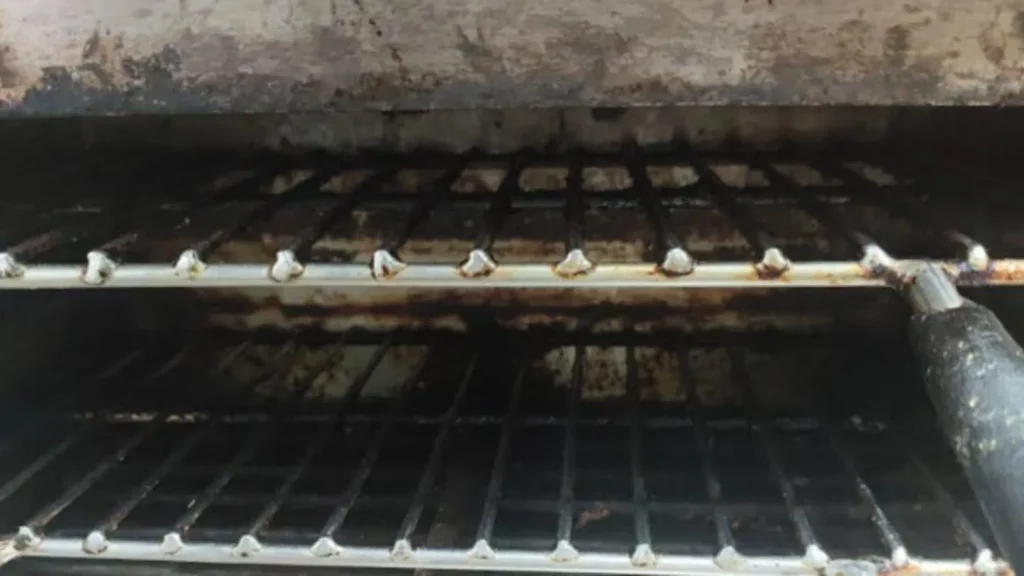
FDA officials inspect food-service premises in Mumbai during Maharashtra’s “Safe Food, Safe Maharashtra” enforcement drive. Image Credit: IndianExpress
The Maharashtra Food and Drug Administration (FDA) has suspended the food licenses of seven Mumbai establishments, including the nearly century-old Bombay Presidency Radio Club in Colaba, Status Restaurant in Nariman Point and a McDonald’s outlet at Metro House, Colaba.
The action followed inspections conducted on August 19 and 20, 2026, under the state’s ongoing “Safe Food, Safe Maharashtra” campaign. Across the state, FDA teams inspected 89 hotels, restaurants and dhabas; issued improvement notices to 71 establishments; and suspended the licenses of 13 food businesses.
Inspectors reported a range of alleged violations, including live flies, dead cockroaches, peeling plaster over food-preparation areas, unsafe storage, poor pest control, missing temperature records, inadequate hand hygiene and failure to correct deficiencies identified during earlier inspections.
The action affects food operations at the establishments. It does not automatically mean that every wider activity at a club or commercial premises has been permanently shut.
Bombay Presidency Radio Club
The FDA inspection at Bombay Presidency Radio Club in Colaba found significant hygiene problems in the kitchen, according to the inspection findings.
Officials reportedly found:
Large-scale infestation of live flies
Dead cockroaches in the kitchen
Pest-trap wrappers near the dishwashing area
Peeling paint and plaster over food-preparation zones
Washing powder stored alongside food items
Utensils placed directly on the floor
Staff helmets and clothing stored near food
Unhygienic refrigerators used for non-vegetarian food
The club received a non-compliance score of 47% during the assessment. The FDA suspended its food license with immediate effect under Section 32(3) of the Food Safety and Standards Act, 2006, along with the relevant food-safety regulations. This story was also covered by The India Express.
The order bars the club from purchasing, selling or distributing food while the suspension remains in force.
The finding is particularly notable because the Bombay Presidency Radio Club is one of Mumbai’s oldest and most prominent clubs, having operated for nearly a century. The FDA action underlines that age, reputation or membership profile cannot substitute for current food-safety compliance.
McDonald’s Colaba Outlet Fails Reinspection
The FDA also suspended the FSSAI license of a McDonald’s kiosk at Metro House, Colaba, operated by Hardcastle Restaurants Pvt. Ltd.
The suspension followed a reinspection on August 19. According to the FDA, 18 of the 20 deficiencies identified in an earlier improvement notice remained unresolved.
The reported violations included:
Uncalibrated refrigeration equipment
Live cockroaches
Inadequate pest-control arrangements
Food waste near storage areas
Staff handling ready-to-eat food without washing their hands after touching soiled clothing and footwear
Use of unclean cloths for mopping
The FDA also alleged that the outlet was using cheese-analogue products.
Officials further flagged a discrepancy between the outlet’s compliance report and conditions found during the later inspection. The outlet had submitted a 148-page report on August 12 claiming the deficiencies had been resolved, but inspectors reportedly found that most of the issues remained.
The FDA has flagged the discrepancy as a potential offense under Section 61 of the Food Safety and Standards Act, which relates to submitting false information to authorities.
McDonald’s Response
McDonald’s India said it follows rigorous food-quality and hygiene standards and maintains a zero-tolerance approach to food-safety issues.
“We respect the regulatory process and are reviewing the observations referenced in the report,” the company said in a statement. It added that its food-safety practices should be accurately understood and represented.
The company also said customers have always been welcome to take a kitchen tour and learn more about food preparation practices.
The statement represents the company’s position, while the FDA’s findings remain subject to the regulatory and compliance process.
Customer Complaint Leads to Inspection
Status Restaurant at Regent Chamber, Nariman Point, was inspected after a customer complaint, according to the FDA.
The agency suspended the restaurant’s license after inspectors reported several food-handling and kitchen-management violations.
These reportedly included:
A staff member washing his face over clean utensils
No grease traps or cockroach traps
Missing temperature logs
No separation between raw and cooked food
No segregation between vegetarian and non-vegetarian food
The absence of segregation creates a risk of cross-contamination. Raw meat, cooked food, dairy products and ready-to-eat items should be stored and handled separately to reduce the spread of bacteria and allergens.
Temperature records are also important because they help food operators demonstrate that perishable items have been stored safely. Without them, inspectors and managers cannot reliably establish whether cold-chain conditions were maintained.
Khar Gymkhana and Other Mumbai Establishments
The FDA also suspended the registration certificate of Khar Gymkhana in Khar West after inspectors documented a lengthy list of alleged violations.
The reported issues included:
No hot water for washing utensils
Improper thawing of frozen food
No FIFO or FEFO stock rotation
Uncalibrated temperature equipment
FIFO means “First In, First Out,” while FEFO means “First Expired, First Out.” These systems help ensure that older or earlier-expiry products are used before newer stock, reducing the risk of expired food being served.
Other Mumbai establishments facing action included Nuvara Restaurant in Malad, Bajrang Sweet Mart in Santacruz West and ASM Hotels and Hospitality Services in Andheri West.
The FDA has also taken action against food businesses outside Mumbai after inspections found stale food, adulterated or spoiled products, pests, poor kitchen maintenance and unsafe storage.
Statewide Enforcement Drive
Across Maharashtra, 89 hotels, restaurants and dhabas were inspected over August 19 and 20.
The results were:
| Enforcement action | Number of establishments |
|---|---|
| Establishments inspected | 89 |
| Improvement notices issued | 71 |
| Food licenses suspended | 13 |
| Mumbai establishments with licenses suspended | 7 |
The campaign has been directed by Maharashtra FDA Commissioner Tukaram Mundhe and is part of a wider enforcement push against food-safety violations in restaurants, clubs, hotels, quick-commerce facilities and other establishments.
Earlier inspections across Mumbai and Maharashtra had already uncovered cockroaches, rats, expired stock, poor refrigeration, improper waste disposal and inadequate personal hygiene among food handlers.
The latest round demonstrates that the FDA is continuing to target both small establishments and well-known commercial brands.
Statements and Regulatory Context
The FDA’s action is based on alleged violations of the Food Safety and Standards Act, 2006; related regulations; and hygiene requirements under Schedule 4.
The department has the authority to issue improvement notices, order corrective action, suspend licenses, and pursue further proceedings when it finds serious or repeated violations.
For the Bombay Presidency Radio Club, the suspension was imposed under Section 32(3) of the Act.
For the McDonald’s outlet, the FDA has also raised the possibility of action under Section 61 over alleged discrepancies in the compliance report.
The regulatory process normally gives food businesses an opportunity to explain, correct deficiencies and seek reinspection. The exact duration of each suspension will depend on compliance, further orders and any legal or administrative proceedings.
Why Food-Safety Inspections Are Increasing
Maharashtra’s current enforcement campaign follows several food-safety controversies across the state.
The FDA has recently inspected the following:
Quick-commerce dark stores
Restaurants and cafés
Hotels and clubs
Food outlets near schools
Film-set catering facilities
Edible-oil businesses
Sweet shops and food-processing units
The department’s concerns have included pest control, cold-chain management, expired food, poor sanitation, unsafe food handling and inaccurate compliance claims.
The rapid growth of food delivery and quick-commerce has made restaurant and kitchen inspections more important. Customers often cannot see how food is stored or prepared before it arrives at their homes.
Similarly, members of clubs and customers at established restaurants may assume that premium pricing guarantees safety. The FDA’s action shows why food safety needs regular verification, regardless of an establishment’s brand, location or reputation.
Timeline
July 14, 2026: Maharashtra FDA begins a wider “Safe Food, Safe Maharashtra” inspection drive.
July–August: Inspections across hotels, restaurants, clubs, food outlets and quick-commerce facilities identify hygiene, storage and pest-control concerns.
August 19: FDA inspects Bombay Presidency Radio Club, Status Restaurant and the McDonald’s Metro House outlet in Colaba.
August 19: Radio Club inspection records live flies, dead cockroaches, peeling plaster, chemicals stored near food and utensils kept on the floor.
August 19: McDonald’s reinspection finds 18 of 20 earlier deficiencies unresolved, including live cockroaches and uncalibrated refrigeration equipment.
August 19: Status Restaurant is inspected after a customer complaint and alleged food-handling and segregation violations are recorded.
August 20: FDA teams inspect 89 hotels, restaurants and dhabas across Maharashtra over the two-day period.
August 20–21: Licenses of 13 establishments across the state are suspended; 71 receive improvement notices.
August 21–22: McDonald’s issues a statement saying it follows rigorous food-safety standards and is reviewing the FDA observations.
Why This Matters
Yeh issue kaafi important hai because food safety directly affects public health and consumer trust.
Pest infestation: Flies and cockroaches can contaminate food, utensils and food-preparation surfaces.
Cross-contamination: Failure to separate raw, cooked, vegetarian and non-vegetarian food creates avoidable risks.
Cold-chain concerns: Uncalibrated refrigerators and missing temperature logs make it difficult to verify safe storage.
Repeated non-compliance: The McDonald’s case is notable because the FDA said most deficiencies remained unresolved after an earlier notice.
Trust in established names: A famous club or global food chain must meet the same safety standards as a small eatery.
License suspension is a serious action, but the long-term impact will depend on follow-up inspections and whether establishments actually correct the problems.
India Angle
The Mumbai crackdown has national relevance because Indians increasingly eat at restaurants, clubs, cafés, food courts and delivery kitchens.
In cities such as Delhi, Bengaluru, Pune, Hyderabad, Chennai and Kolkata, food businesses operate at an enormous scale. A single kitchen may serve hundreds or thousands of customers every day.
Consumers need better awareness about:
Checking FSSAI license details
Reporting unclean kitchens or suspicious food
Looking for proper refrigeration and storage
Asking restaurants about ingredients where necessary
Avoiding food from visibly unhygienic premises
At the same time, regulators must ensure that inspections are transparent, evidence-based, and followed by reinspection.
Food safety cannot depend only on viral videos or customer complaints. Regular, surprise inspections and public compliance records are essential.
Analysis
The most significant aspect of this drive is the breadth of the action. The FDA has not limited inspections to roadside eateries or small businesses. It has also acted against clubs, established restaurants and a major international food brand.
The McDonald’s case raises a particularly important compliance question. If an establishment submits a detailed report claiming that all violations have been corrected but inspectors later find most deficiencies still present, the regulator must determine whether this was an administrative failure, poor internal monitoring or deliberate misrepresentation.
However, enforcement must also be consistent. Businesses should receive clear violation reports, realistic correction timelines and a fair opportunity to challenge findings or seek review.
In my view, Maharashtra should publish a searchable compliance database showing inspections, violations, corrective actions and license-restoration dates. That would make the system more transparent and help consumers make informed choices.
What Next
The next phase is likely to involve:
Corrective action: Suspended establishments must address sanitation, pest-control, storage and food-handling failures.
Reinspection: FDA officials may revisit the premises before deciding whether licenses can be restored.
Further proceedings: The McDonald’s outlet may face additional action if the alleged compliance-report discrepancy is established.
Food-sample testing: Regulators may examine cheese-analogue products or other ingredients where product identity is in question.
More inspections: The statewide campaign is likely to continue across hotels, clubs, restaurants, dhabas and food-delivery facilities.
Consumer scrutiny: Customers may increasingly report visible hygiene failures and demand greater transparency from restaurants.
Industry response: Restaurant groups and clubs may strengthen internal audits, staff training, pest-control contracts and temperature-monitoring systems.
Conclusion
The Maharashtra FDA’s suspension of licenses at seven Mumbai establishments—including Bombay Presidency Radio Club, Status Restaurant, Khar Gymkhana and a Colaba McDonald’s outlet—has brought food-safety compliance into sharp focus.
Across the state, 89 establishments were inspected over two days, 71 received improvement notices and 13 licenses were suspended.
The findings—flies, cockroaches, peeling plaster, unsafe storage, poor hand hygiene, missing temperature records and uncalibrated refrigeration—show that food safety failures can occur even at well-known establishments.
For customers, the message is straightforward: premium branding does not replace hygiene. For restaurants and clubs, the lesson is equally clear: inspection reports must reflect ground reality, and corrective action must be genuine.
Maharashtra FDA ka crackdown important hai, lekin iska real success tabhi hoga jab suspension ke baad permanent compliance bhi ensure kiya jaayega.
Written By A. Jack