Mamata Banerjee is once again stepping into national opposition politics, marking a significant strategic shift after years of maintaining a cautious distance from formal INDIA bloc engagements. The Trinamool Congress chief is placing herself at the centre of the opposition’s battle against the BJP, likely as a calculated reset to protect her position in West Bengal while rebuilding national influ
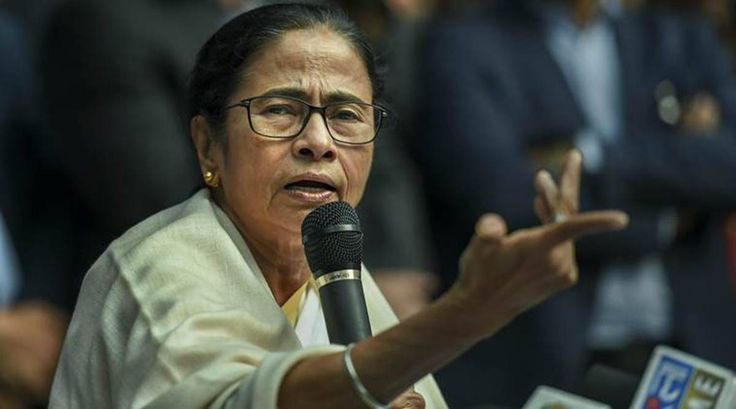
Mamata Banerjee, West Bengal Chief Minister and Trinamool Congress chief, is seen taking a renewed national political stance amid growing internal challenges in Bengal. Image credit: PTI
Mamata Banerjee built her political reputation on careful timing and calculated decisions, often staying away from direct national confrontations. But her renewed push into national opposition politics marks a significant shift in strategy. After maintaining a cautious distance from formal INDIA bloc engagements, the Trinamool Congress chief is once again placing herself at the center of the opposition’s battle against the BJP-led government.
The timing of this shift is notable. The TMC is facing mounting challenges in West Bengal, including corruption allegations, organizational unrest, rebel leaders, and concerns over growing internal divisions. Political observers see Mamata Banerjee’s renewed national activism as an attempt to shift the political conversation beyond Bengal’s anti-incumbency pressures and towards national issues where the BJP-led government can be challenged more effectively. Yeh political pivot kaafi important hai because it reflects how Mamata is trying to balance state politics with national influence.
What Is Driving Mamata Banerjee’s New Strategy
Mamata Banerjee’s renewed national activism comes at a time when the TMC is under pressure in West Bengal. The party is facing corruption allegations, organizational unrest, rebel leaders, and growing internal divisions. These challenges have created a sense of anti-incumbency in the state, which could threaten TMC’s position in future elections. NDTV has covered the full story.
By taking the fight to Delhi, Mamata is trying to shift the political conversation from state-level issues to national issues where the BJP-led government can be challenged more effectively. This is a calculated political reset designed to protect her position in Bengal while rebuilding her national influence. Political observers see this as a strategic move to reclaim leadership within the opposition space and position herself as a key figure in the national opposition.
Mamata’s shift also reflects her desire to rebuild her national image. After years of focusing on state politics, she is now trying to re-establish herself as a national leader who can challenge the BJP on a broader scale. This is a significant change in her political strategy, and it could have major implications for both Bengal and national politics.
Why This Shift Is Strategic
Mamata Banerjee’s renewed push into national opposition politics is strategic for several reasons. First, it allows her to shift the political conversation from state-level anti-incumbency to national issues where the BJP can be challenged more effectively. Second, it helps her rebuild her national influence and position herself as a key figure in the opposition space. Third, it allows her to protect her position in Bengal by creating a narrative that she is fighting for the nation, not just for the state.
Political observers see this as a calculated move to protect her position in Bengal while rebuilding her national influence. By taking the fight to Delhi, Mamata is trying to create a national narrative that positions her as a leader who can challenge the BJP on a broader scale. This is a significant shift in her political strategy, and it could have major implications for both Bengal and national politics.
Mamata’s shift also reflects her desire to reclaim leadership within the opposition space. After years of focusing on state politics, she is now trying to re-establish herself as a national leader who can challenge the BJP on a broader scale. This is a calculated political reset designed to protect her position in Bengal while rebuilding her national influence.
Background and Context
For years, Mamata Banerjee built her political reputation on careful timing and calculated decisions. She often maintained a cautious distance from formal INDIA bloc engagements, focusing instead on state politics in West Bengal. This strategy allowed her to build a strong base in the state and win multiple elections.
However, the TMC is now facing mounting challenges in West Bengal, including corruption allegations, organizational unrest, rebel leaders, and concerns over growing internal divisions. These challenges have created a sense of anti-incumbency in the state, which could threaten TMC’s position in future elections.
Mamata’s renewed national activism is a response to these challenges. By taking the fight to Delhi, she is trying to shift the political conversation beyond Bengal’s anti-incumbency pressures and towards national issues where the BJP-led government can be challenged more effectively. This is a strategic move to protect her position in Bengal while rebuilding her national influence.
Timeline
Past years: Mamata Banerjee built her political reputation on careful timing and calculated decisions, maintaining a cautious distance from formal INDIA bloc engagements.
Recent period: TMC faces mounting challenges in West Bengal, including corruption allegations, organizational unrest, rebel leaders, and internal divisions.
Current moment: Mamata Banerjee takes the fight to Delhi again, placing herself at the center of the opposition’s battle against the BJP.
Future: Political observers see this as a calculated political reset to protect her position in Bengal while rebuilding national influence.
Also Read: Bengal Couple Traveled 1,400 km to Kill Delhi Professor Over Property
Why This Matters
This matters because Mamata Banerjee’s renewed national activism could have major implications for both Bengal and national politics. By taking the fight to Delhi, she is trying to shift the political conversation from state-level anti-incumbency to national issues where the BJP can be challenged more effectively. This could strengthen her position in Bengal and rebuild her national influence.
It also matters for the opposition space. Mamata’s shift reflects her desire to reclaim leadership within the opposition space and position herself as a key figure in the national opposition. This could have major implications for the future of the opposition and its ability to challenge the BJP-led government.
For the people of West Bengal, this could mean a shift in the political narrative from state-level issues to national issues. This could help the TMC protect its position in the state and create a new political narrative that focuses on national challenges.
India Angle
The India angle is strong because Mamata Banerjee’s renewed national activism reflects a broader trend in Indian politics where state leaders are trying to build national influence. Mamata’s shift from state politics to national politics is a significant change, and it could have major implications for the future of both Bengal and national politics.
In Hinglish, seedhi baat yeh hai: jab state mein anti-incumbency ho, toh leader national narrative mein shift hota hai. Mamata is trying to create a national narrative that positions her as a leader who can challenge the BJP on a broader scale. This is a strategic move to protect her position in Bengal while rebuilding her national influence.
For Indian readers, this is a reminder that state leaders are increasingly trying to build national influence. Mamata’s shift reflects this trend, and it could have major implications for the future of Indian politics.
Analysis
My opinion is that Mamata Banerjee’s renewed national activism is a strategic move to protect her position in Bengal while rebuilding her national influence. By taking the fight to Delhi, she is trying to shift the political conversation from state-level anti-incumbency to national issues where the BJP can be challenged more effectively. This is a calculated political reset that could have major implications for both Bengal and national politics.
Mamata’s shift also reflects her desire to reclaim leadership within the opposition space. After years of focusing on state politics, she is now trying to re-establish herself as a national leader who can challenge the BJP on a broader scale. This is a significant change in her political strategy, and it could have major implications for the future of Indian politics.
What Next
Mamata Banerjee’s renewed national activism could lead to several outcomes. First, it could strengthen her position in Bengal by creating a narrative that she is fighting for the nation, not just for the state. Second, it could rebuild her national influence and position her as a key figure in the opposition space. Third, it could lead to a shift in the political narrative from state-level issues to national issues.
The opposition could also see Mamata as a key leader who can challenge the BJP on a broader scale. This could lead to more collaboration between the TMC and other opposition parties, and it could strengthen the opposition’s ability to challenge the BJP-led government.
For the people of West Bengal, this could mean a shift in the political narrative from state-level issues to national issues. This could help the TMC protect its position in the state and create a new political narrative that focuses on national challenges.
Conclusion
Mamata Banerjee’s renewed push into national opposition politics marks a significant shift in strategy after years of maintaining a cautious distance from formal INDIA bloc engagements. By taking the fight to Delhi, she is trying to shift the political conversation beyond Bengal’s anti-incumbency pressures and towards national issues where the BJP-led government can be challenged more effectively.
This is a calculated political reset designed to protect her position in Bengal while rebuilding her national influence. Political observers see this as a strategic move to reclaim leadership within the opposition space and position herself as a key figure in the national opposition. Yeh political pivot kaafi important hai because it reflects how Mamata is trying to balance state politics with national influence. The shift could have major implications for both Bengal and national politics, and it could strengthen the opposition’s ability to challenge the BJP-led government.
Written By A. Jack