
A Mumbai sessions court has denied bail to a telecom company’s point-of-sale agent accused of helping activate more than 100 SIM cards that were allegedly used in transnational cyber fraud operations. The case has drawn attention because the trail reportedly runs from Mumbai to Kerala and Southeast Asia, showing how local telecom misuse can fuel big online scams.
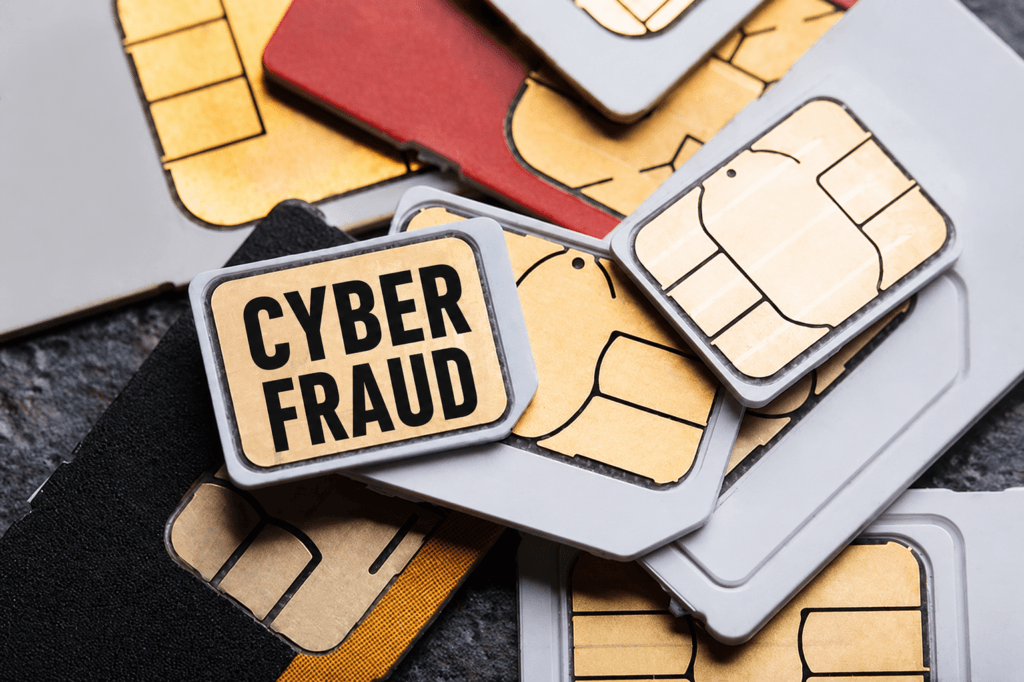
Mumbai court news headline highlighting the rejection of bail in a SIM-card-linked cyber fraud case, with the police investigation tracing fraudulent numbers across regions and abroad.
Mumbai Court Rejects Bail to Telecom Agent
The case involves Mohammed Sultan, a 42-year-old POS agent, whose bail plea was rejected by a Mumbai session court on Monday, according to the report. Investigators allege that he used customer Aadhaar details and forged address proofs to activate duplicate SIM cards, which were then supplied for cyber fraud networks operating beyond India.
The development is important because it shows a growing pattern in cybercrime: fraudsters often do not need to hack high-security systems when weak verification at the SIM activation stage can be exploited. In simple terms, yeh sirf ek telecom irregularity nahi hai; it can become a serious cybercrime pipeline.
How The Fraud Worked
According to the reports, Sultan allegedly had access to Aadhaar details of customers from Uttar Pradesh and Bihar, which were used in Mumbai customer-acquisition forms to obtain second SIM cards under the same personal data. Police also claimed that two SIM cards were activated for every customer request and one was later sold to a co-accused for about Rs 500 per SIM. The Indian Express has covered the full story.
The case became more serious after investigators linked over 100 fraudulent SIM cards to Southeast Asian roaming networks and cyber fraud complaints on the National Cyber Crime Reporting Portal. The court reportedly noted digital payment trails worth around Rs 90,000 between the accused persons, which helped strengthen the prosecution’s case at the bail stage.
Court View And Statements
The court reportedly observed that the allegations involved the fraudulent activation of over 100 SIM cards using forged address proofs and that these numbers were directly linked to cyber fraud reports. Additional Sessions Judge B. Y. Phad reportedly said there was an alleged digital trail of payments received by the applicant from the co-accused, which weighed against granting bail.
On the defense side, Sultan’s lawyer argued that the probe was largely documentary, that no recovery was pending, and that the allegations were limited to technical irregularities in SIM access rather than direct commission of cyber fraud. The court, however, was not convinced at this stage and chose to keep him in custody.
Background And Timeline
The alleged racket came into focus after cyber police in Mumbai began tracing suspicious numbers that were found operating in Southeast Asian countries. Earlier reports said the Mumbai Cyber Police had already uncovered a fake SIM card racket in March 2026, and that telecom verification issues had allowed multiple duplicate connections to be issued under false or manipulated details.
Timeline:
March 2026: Mumbai cyber police launched action after suspicious overseas roaming activity was detected.
During the probe: Investigators allegedly found fraudulent activation of more than 100 SIM cards and misuse of customer identity data.
Monday hearing: The Mumbai sessions court rejected the bail plea of the accused POS agent.
This timeline matters because cyber cases often build slowly through digital records, telecom data, and financial trails rather than one dramatic seizure. The investigation pattern here looks very much like a classic layered probe: telecom anomaly first, then identity misuse, then money trail, then cyber-fraud linkage. Also Read: Vijay’s TVK Sweeps Tamil Nadu as Driver’s Son Wins Virugambakkam
Why This Matters
This case matters because SIM cards are still a key identity layer for banking, WhatsApp verification, OTP-based logins, and digital communication. If fake or duplicate SIMs are activated easily, scammers can hide their identity, bypass tracking, and scale fraud faster across states and even countries.
For ordinary users in India, this is a reminder that Aadhaar misuse and telecom fraud are not abstract issues. They can lead to account takeovers, fake loan applications, scam calls, digital arrest frauds, and other forms of financial loss, so stronger KYC checks are crucial.
India Angle
India’s telecom and identity systems are huge, so even a small gap in verification can have a large impact. This is especially relevant for readers in Uttar Pradesh, Bihar, Maharashtra, and other states where migrants and multi-city telecom activations can sometimes make verification more complicated.
The Hindi takeaway is simple: verification process jitna strong hoga, cyber fraud utna hi difficult hoga. Cases like this show why telecom companies, police, and regulators need better coordination, because one fake SIM can become the starting point of a much larger online scam network.
Analysis
My assessment is that courts are likely to treat such cases seriously because the alleged impact goes beyond one consumer complaint. When a SIM-linked trail connects to overseas roaming and NCCRP-linked complaints, it suggests organized misuse rather than an isolated mistake, and that is why the bail denial feels legally and socially significant.
What Next
The next steps will likely include deeper scrutiny of telecom activation records, Aadhaar-linked KYC documents, payment trails, and the role of the alleged co-accused. Investigators may also widen the probe to see whether more SIM cards were issued through the same pattern and whether the numbers were used in other cyber-fraud cases.
If the prosecution builds a stronger digital trail, the case could become an important precedent for how courts view telecom-enabled cybercrime. For readers, the practical outcome may be stricter SIM verification, tighter internal checks at point-of-sale outlets, and more pressure on telecom operators to block identity misuse earlier.
Conclusion
The Mumbai court’s bail rejection underscores how a seemingly small telecom lapse can turn into a serious cybercrime issue. With over 100 SIM cards allegedly tied to fraudulent activity and foreign-linked roaming patterns, the case is a sharp reminder that digital safety starts at the most basic identity checks.
For India, this is more than a courtroom update; it is a warning about the risks of weak KYC enforcement and the speed at which cyber fraud networks can exploit such gaps. In short, the case isn’t limited to just one accused—it reflects a bigger system problem that needs faster action.
Written By A. Jack