
The victim, a former law clerk who lived with his parents and younger brother, had reportedly been under severe stress after his relationship ended; police are investigating the allegations.
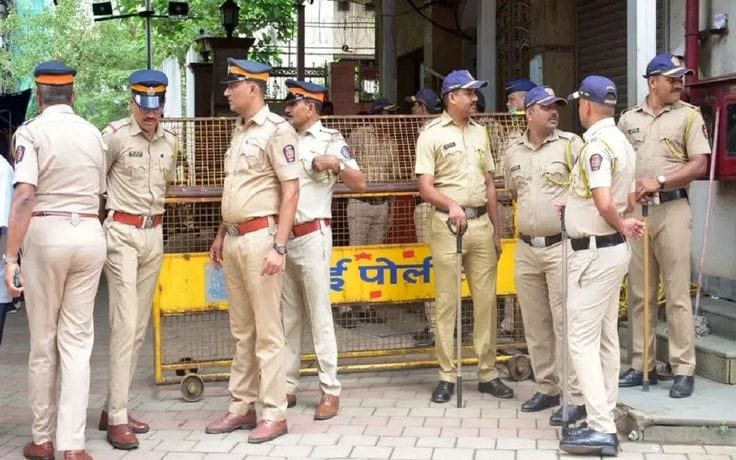
Police investigate outside a residential building in Bandra East after a 24-year-old man died by suicide. The image is only for illustrations.
A 24-year-old man died by suicide at his home in Mumbai’s Bandra East area on August 6 after allegedly facing threats from his former girlfriend and her sister. The two women have been booked under provisions relating to abetment to suicide on the basis of a complaint filed by the victim’s mother.
The deceased lived with his parents and younger brother in a flat in Bandra East. He had previously worked as a law clerk with a judge and was reportedly preparing for or pursuing a legal career. According to the police account, the young man had recently appeared depressed and under significant stress. On the day of the incident, his mother received a call from two of his friends, who told her that he had been in a relationship with a woman during his time studying in Bengaluru.
The relationship later deteriorated, and the woman and her elder sister allegedly threatened to implicate him in a false police case. After his mother confronted him about the allegations, he reportedly acknowledged the threats before the tragedy occurred. Police have registered a case and are investigating the circumstances. The two women have not been arrested, and the allegations against them have not yet been established in court.
What police say happened
According to the preliminary account, the victim’s mother learned about the situation through calls from his friends. They reportedly told her that her son had previously been in a relationship with a woman while studying in Bengaluru. The relationship subsequently ended badly. Police allege that the former girlfriend and her sister began threatening to frame him in a false case.
When his mother asked him about the threats, he reportedly admitted that he was facing pressure. While she was speaking to one of his friends on the phone, the young man went into his bedroom and locked the door. Police said he then died by suicide after jumping from the window of the 13th-floor flat. He was taken to hospital, where doctors declared him dead. This story was also covered by NDTV.
The account is based on the complaint lodged by his mother and the preliminary police investigation. Investigators will need to verify the alleged threats through phone records, messages, call recordings, witness statements and other digital evidence.
Yeh issue kaafi important hai because allegations of threats, coercion and harassment can have serious consequences, particularly when a person is already experiencing emotional distress.
Case registered against two women
The Kherwadi Police registered a case of abetment to suicide against the former girlfriend and her sister. The complaint was filed by the victim’s mother after his death.
A case under abetment provisions does not automatically establish guilt. Police must investigate whether the accused deliberately threatened, harassed or pressured the victim in a manner that contributed to the death.
The investigation will likely examine:
Phone calls between the victim and the two women.
Messages and social media conversations.
Statements from the victim’s friends.
The mother’s account of the conversation.
Any prior complaint or police contact.
Possible recordings or written threats.
The relationship between the parties before and after the breakup.
No arrests have been made so far. The police may question the women and other witnesses before deciding on further action.
The exact legal provisions applied may change as the investigation progresses. Police will also examine whether the alleged threats involved an attempt to extort money, intimidate the victim or force him to take a particular action.
Importance of digital evidence
The case involves allegations made through personal communication, which means digital evidence may be central to establishing what happened. Investigators may seek call-detail records and examine messages exchanged through mobile phones or social media platforms. If the alleged threats were written or recorded, they could help clarify the nature and frequency of the communication.
Digital evidence must be collected and preserved according to legal procedures. Screenshots alone may not be sufficient unless investigators can establish their authenticity, source and context. Police will also need to determine whether the communication was a genuine threat of false prosecution or a dispute involving a possible complaint that was later described by the family as intimidation.
The context of the conversations will matter. A single heated statement may be interpreted differently from repeated threats, coercive messages or attempts to publicly humiliate the victim.
Background and context
Relationship disputes can become complicated when former partners accuse one another of harassment, financial wrongdoing or other offences. In such cases, both sides may seek legal assistance or approach the police. The threat of a criminal case can cause severe anxiety, especially for young people who fear damage to their education, employment, reputation or family relationships. However, the right to report a genuine offence must also be protected.
The legal system must distinguish between a legitimate complaint and a knowingly false threat. A person who believes they have been harassed or harmed should be able to approach the authorities. At the same time, deliberately using threats of criminal action to intimidate another person may itself require investigation.
The case also highlights the importance of early mental health support. The victim was reportedly depressed and stressed before his death. Family members and friends may not always recognise the seriousness of such symptoms or know how to respond.
Timeline
During studies in Bengaluru: The victim enters into a relationship with a woman, according to police.
Later: The relationship ends and the two women allegedly begin threatening to frame him in a police case.
August 6: The victim’s mother receives calls from his friends about the relationship and alleged threats.
Same day: The mother confronts her son, who reportedly acknowledges that he had been threatened.
Shortly afterwards: He locks himself in his bedroom and dies by suicide.
Later: He is taken to hospital, where doctors declare him dead.
After the death: His mother files a complaint and police register a case against the former girlfriend and her sister.
Current status: Investigation is ongoing and no arrests have been reported.
Also Read: Delhi Mercedes Crash: Elderly Woman Killed in Narela, Driver Arrested After Chain Collision
Why This Matters
This matters because threats involving police cases can create intense psychological pressure. People may fear arrest, public shame, professional damage and lengthy legal proceedings even when no formal complaint has been filed.
It also matters because the case involves two separate concerns that must be handled carefully. Genuine victims of abuse or harassment should have access to the police and courts, while false threats and malicious intimidation should not be used as weapons in personal disputes.
For the victim’s family, the loss is devastating. They are now seeking answers about the circumstances that led to his death and the alleged threats he faced. The incident also raises questions about how families respond when a young person shows signs of depression or severe stress. A sudden change in behaviour, isolation, fear, sleeplessness or repeated references to legal trouble should be taken seriously.
If someone appears to be in immediate danger, family members should stay with them, remove access to possible means of harm and contact emergency services or a qualified mental-health professional. They should not leave the person alone or treat the situation as a private argument that will resolve itself.
India angle
For Indian readers, this case reflects a wider challenge involving relationship disputes, criminal complaints and mental-health stigma. Many young people hesitate to discuss relationship problems with parents because they fear judgement or punishment. When a dispute escalates into threats or legal pressure, the affected person may feel trapped and unable to seek help.
There is also a growing need for accessible counselling services in colleges, workplaces and communities. Legal aid centres can help people understand their rights without encouraging confrontation or retaliation. The police and courts must handle such complaints sensitively. A person threatened with a false case should have access to legal advice, while a person facing genuine abuse should receive protection and a fair investigation.
The case also demonstrates the importance of documenting threats. Preserving messages, recording dates and approaching a lawyer or police officer early may help prevent escalation.
Analysis
The case should not be presented as proof that every relationship-related complaint is false. That would discourage genuine victims from seeking justice. At the same time, the law must examine allegations of deliberate threats and misuse of legal processes.
The most important unanswered questions concern the evidence. Did the women send threatening messages? Did they repeatedly warn the victim that they would falsely implicate him? Did they demand money or another benefit? Were there witnesses to the threats?
The victim’s emotional state also deserves attention. The alleged threats may have contributed to his distress, but investigators will need to examine his broader circumstances, including his mental health, work, family relationships and previous communication.
The case shows why disputes should be addressed early through legal counselling and mental-health support instead of allowing pressure to build privately.
What Next
The immediate next step will be the police questioning of the two women and examination of digital evidence. Investigators are likely to record statements from the victim’s mother, friends and other people aware of the relationship. The police may also collect the victim’s phone, messages and social media accounts, subject to legal procedures. These records could reveal whether threats were made and how frequently the parties communicated.
The post-mortem and other formal procedures will be completed as part of the investigation. Police will then determine whether additional charges or arrests are warranted. The accused women may seek legal protection or anticipatory bail, depending on the sections applied in the case. The court will assess the available evidence and the seriousness of the allegations.
Long term, the case may lead to renewed discussion about legal counselling, protection from online harassment and mental health support for people facing relationship-related disputes.
Conclusion
The death of a 24-year-old man in Bandra East after alleged threats from his former girlfriend and her sister has led Mumbai Police to register a case of abetment to suicide. The victim’s mother told police that he had been under severe stress and had acknowledged being threatened with a false police case.
The two women have not been arrested, and the allegations remain under investigation. Police will need to examine messages, call records, witness statements and the victim’s broader circumstances before deciding the next legal steps.
The tragedy highlights the serious mental-health consequences of threats, harassment and relationship disputes. It also reinforces the need for early legal advice and emotional support when a person feels overwhelmed or trapped.
Anyone experiencing thoughts of self-harm or facing an immediate crisis should contact local emergency services, reach out to a trusted person and seek help from a qualified mental-health professional without delay.
Written By A. Jack