
Official figures showed several parts of Mumbai received more than 200 mm of rain in 24 hours, with some areas exceeding 300 mm. Authorities have also announced closures of schools and colleges in Mumbai on July 6 as more rain and disruption is expected.
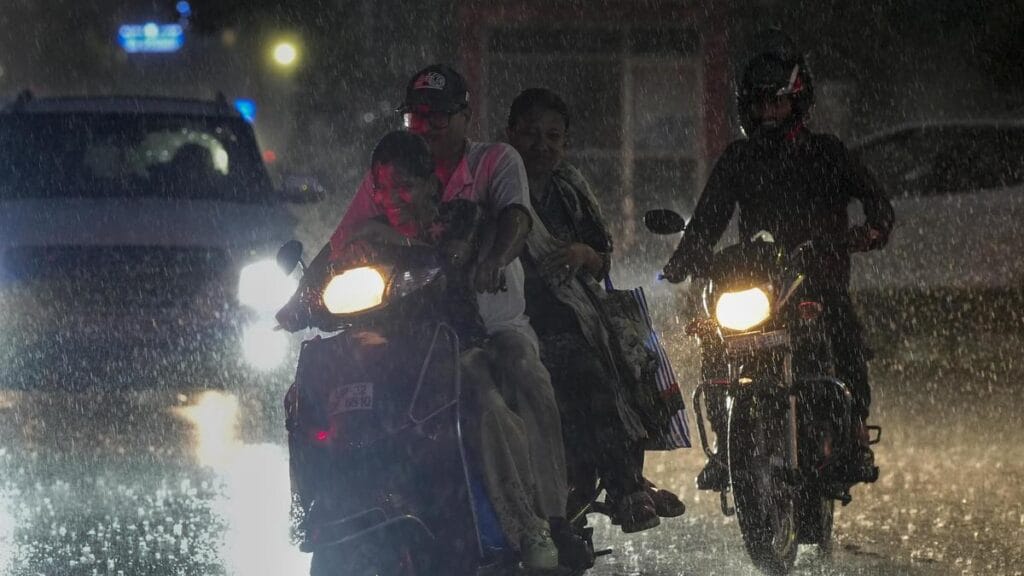
Heavy monsoon rain floods roads in Mumbai as the city faces airport disruption, school closures and severe waterlogging across key areas. Image Credit: The Hindu
Monsoon weather tightened its grip across India on Sunday, July 5, 2026, triggering widespread disruption from the west coast to eastern and southern states. Mumbai was among the worst affected cities, where heavy overnight rain forced the suspension of runway operations at Chhatrapati Shivaji Maharaj International Airport for an hour and led to extreme waterlogging in several areas. In response to the threat of continued heavy rainfall, the Mumbai civic body ordered schools and colleges to remain shut on July 6.
At the same time, weather alerts were issued or upgraded in Kerala, Odisha, Jharkhand and parts of the country, showing that this is not just a local rain event but a broad monsoon system affecting multiple regions at once. Yeh issue kaafi important hai because it is now impacting transport, education, local administration and daily life across India in real time.
What Happened
Mumbai received intense overnight rainfall that caused a major operational disruption at the airport. According to official data, several parts of the city recorded more than 200 mm of rain in the last 24 hours, while a few locations saw as much as 300 mm. That is an extremely high amount of rainfall in a short period, enough to overwhelm drainage systems, slow traffic and force airport authorities to pause runway operations for safety reasons.
The suspension at the airport lasted for around an hour, but even that short disruption can have cascading effects on flight schedules. Passengers may experience delays, missed connections and rescheduling issues long after the rain has eased. The city’s administration also responded by ordering schools and colleges shut on July 6, signalling that the rain threat was serious enough to affect public movement and safety. The Hindu also covered this story.
Elsewhere, Odisha saw a well-marked low-pressure area over the Bay of Bengal intensify into a depression. The India Meteorological Department said the system is likely to cross the north Odisha coast between Chandbali and Digha within the next day, bringing heavy rainfall to Odisha and West Bengal. In Kerala, most regions received widespread rain and several districts were placed on orange and yellow alerts. Jharkhand was also placed under a yellow alert for thunderstorms, lightning and gusty winds across all 24 districts from July 6 to 9.
Why the Monsoon Is So Active
This current phase of the monsoon is being powered by strong regional weather systems. In Odisha’s case, the low-pressure area over the Bay of Bengal has intensified into a depression, which is a stronger and more organised weather system capable of delivering heavy rain over a wide area. That is why the state has been placed on high alert.
In Mumbai, the intense rainfall appears to be part of a strong coastal monsoon spell. When moisture-laden winds hit the western coast with force, the city often gets flooded quickly because of dense urban development, low-lying zones and drainage pressure. The result is a familiar pattern: heavy rain, traffic slowdown, airport disruption and public alerts.
Kerala, meanwhile, is often among the first states to feel the full force of the southwest monsoon because of its geographic location. Once widespread rain begins there, it often signals a more active and intense monsoon phase across the broader Indian subcontinent. Jharkhand’s weather warning shows how the system is spreading inland too.
Mumbai Bears the Hardest Hit
Mumbai took the toughest blow in this round of monsoon activity. The city’s airport is one of the most important in India, so even an hour-long suspension of runway operations can create knock-on effects across the country. Flights arriving late, departures being held back and air traffic management becoming more complicated are all common consequences when weather gets severe.
The city also saw widespread waterlogging. When rainfall crosses the 200 mm mark in a short period, urban systems in Mumbai can struggle to keep up. That means roads become harder to navigate, local trains may face crowding or caution-related delays, and residents may need to alter their daily routines. The decision to close schools and colleges for the following day reflects the scale of concern.
This also shows why Mumbai remains one of India’s most weather-sensitive cities. A strong monsoon spell does not just cause inconvenience; it affects the city’s core functioning. That is what makes every weather update in Mumbai so closely watched by commuters, airlines and civic authorities alike.
Weather Alerts Across India
The weather story is not limited to Mumbai. Odisha is on high alert because the depression in the Bay of Bengal could bring sustained heavy rain and coastal wind activity. The system’s expected path toward the north Odisha coast means districts there need to prepare for waterlogging, transport disruption and possible flooding.
Kerala’s orange and yellow alerts also show how active monsoon systems can stay across the southern region. ‘Orange alert’ generally means the risk of heavy rain is serious enough to require caution and preparation, while ‘yellow alert’ signals vigilance. Kerala’s experience on Sunday suggests that the state is again facing the familiar monsoon challenge of balancing welcome rain with disruption.
In Jharkhand, the IMD’s yellow alert for thunderstorms, lightning and gusty winds across all districts means the risk is not only rain but also short-term severe weather. Thunderstorm conditions can affect power supply, road safety and rural mobility. When such alerts cover all 24 districts, it becomes a statewide preparedness issue, not just a local forecast.
Background and Context
India’s monsoon is both a lifeline and a challenge. It supplies water for agriculture, supports reservoirs and cools the land after intense summer heat. But in urban areas and coastal regions, it also brings flooding, transport problems and weather-related safety risks. That dual nature is exactly what we are seeing now.
Mumbai has a long history of monsoon disruption because of high rainfall intensity, urban density and infrastructure pressure. Kerala, too, often experiences widespread rain events that can help agriculture while also requiring caution for landslides and local flooding. Odisha’s coastline is especially vulnerable to low-pressure systems and cyclonic developments in the Bay of Bengal. Jharkhand, with its exposed terrain and storm-prone weather patterns, often faces thunderstorms and gusty winds during active monsoon periods.
This is why a single weather system can become a national story. The monsoon does not move in isolation. It shifts across regions, and every state feels the effect differently. For some, the rain is a relief. For others, it is a disruption. For all, it demands planning.
Timeline
-
Sunday, July 5, 2026: Heavy rain intensifies across India, especially in Mumbai.
-
Overnight: Mumbai records severe rainfall, with some areas crossing 300 mm in 24 hours.
-
Early Sunday: Runway operations at Mumbai airport are suspended for one hour.
-
Sunday: Odisha’s low-pressure system strengthens into a depression over the Bay of Bengal.
-
Sunday: Kerala receives widespread rain and faces orange and yellow alerts.
-
Sunday evening: Jharkhand gets a yellow alert for thunderstorms, lightning and gusty winds from July 6 to 9.
-
July 6: Mumbai civic body orders schools and colleges shut for the day.
Why This Matters
This matters because weather disruptions are not just about inconvenience. They affect flights, schools, offices, emergency response and the movement of goods and people. When an airport pauses runway operations, the impact is immediate and widespread. When schools and colleges shut, families have to reorganise their day. When multiple states are on alert, the entire system enters preparedness mode.
It also matters because monsoon safety is a public-policy issue. Cities and states need clear communication, drainage readiness and disaster preparedness. Yeh issue kaafi important hai because India’s monsoon is becoming more intense in certain spells, and urban systems must be ready to handle sudden pressure.
For ordinary citizens, this is a reminder to plan ahead. Weather updates now directly affect travel decisions, work schedules and even school timings. The more active the monsoon gets, the more important early warnings become.
India Angle
For Indian readers, this story is a very familiar one, but that does not make it less important. In Hinglish, seedhi baat yeh hai: jab monsoon strong hota hai, toh India ke alag-alag regions mein life different tarikay se disturb hoti hai. Mumbai faces flooding and airport delays, Kerala sees widespread rain, Odisha braces for depression-related heavy rainfall and Jharkhand prepares for storms.
That is why this is a national monsoon story rather than just a local rain update. It shows how weather systems can affect business travel, education, transport and safety across the country at the same time. For a country as large and diverse as India, that interconnectedness matters a lot.
It also reminds us that weather preparedness is now part of everyday civic life. From checking flight status to deciding whether schools should remain open, families and authorities alike are increasingly making decisions based on IMD alerts. That is the new normal during active monsoon spells.
Analysis
My opinion is that Mumbai once again shows how vulnerable major cities remain to intense rainfall. One hour of runway disruption may not sound huge, but in aviation and urban logistics, it can have a ripple effect that lasts much longer. That is a sign that weather resilience is not just about emergency response after rain starts — it is about planning before the storm arrives.
I also think Odisha’s depression is especially important to track. Bay of Bengal systems can change quickly and bring heavy rainfall over large areas. That makes preparedness critical. Meanwhile, Kerala and Jharkhand show how monsoon risk is not limited to one region; it is spread across the country in different forms.
Overall, this is a story about the changing rhythm of the monsoon and the challenge of adapting to it. Cities and states that respond quickly will cope better. Those that do not may see larger disruptions.
What Next
The next few days will be crucial as the depression over the Bay of Bengal moves toward the north Odisha coast. Odisha and West Bengal will likely remain on alert for heavy rain. In Kerala, the widespread monsoon activity may continue to affect daily routines and road conditions, while Jharkhand will need to watch for thunderstorms and strong winds through July 9.
In Mumbai, authorities will be watching rainfall closely to determine if more closures or transport disruptions are needed. Airports, civic agencies and schools will likely continue adjusting based on fresh weather information. For residents, the key will be staying updated and avoiding unnecessary travel during intense spells.
The broader trend suggests that monsoon activity across India will remain active and regionally uneven. That means more alerts, more local decisions and more dependence on timely weather forecasting in the days ahead.
Conclusion
Sunday’s monsoon surge showed just how quickly weather can disrupt life across India. Mumbai faced airport delays, schools and colleges were shut, Kerala saw widespread rain, Odisha went on high alert and Jharkhand braced for thunderstorms. The pattern is clear: the monsoon is active, powerful and unevenly distributed across the country. For now, the focus will remain on safety, preparedness and keeping daily life moving despite the weather.
Written By A. Jack