The RBI’s decision to cancel Paytm Payments Bank’s licence has triggered concern among users, but the immediate impact is more limited than many fear. Existing balances can still be withdrawn or transferred, while Paytm’s app-based UPI and merchant payment services continue to work through linked bank accounts.
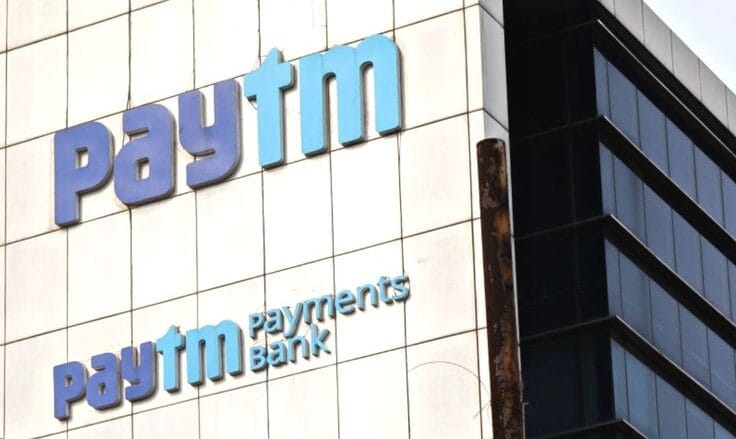
After the RBI cancelled the bank’s licence, Paytm Payments Bank users checked their accounts and UPI status, which raised questions about balances, withdrawals, and digital payments.
The Reserve Bank of India’s cancellation of Paytm Payments Bank Limited’s licence has created a major consumer finance story in India, especially because millions of users rely on Paytm for everyday digital payments. The big question now is simple: what happens to your money, your account, and your UPI services?
The answer, in practical terms, is that existing account balances are not frozen, users can still withdraw their money, and Paytm’s broader app ecosystem continues to function for payments that are linked to other banks. The banking entity is being wound up, but the company’s payment services are not being shut down entirely.
What The Licence Cancellation Means
When a payments bank licence is cancelled, the institution can no longer continue the business of banking in the usual way. That means it cannot accept fresh deposits or take part in lending or investment activities tied to customer funds. In other words, the bank is being shut down as a banking entity, not as a digital payment brand. CNBC TV18 has covered the full story.
For users, this distinction matters a lot. If your money is already sitting in a Paytm Payments Bank account, the RBI has said there is sufficient liquidity to repay depositors. So your existing balance remains accessible, and you can withdraw it, transfer it, or use it until the balance reaches zero.
What Account Holders Can Do
Customers with balances in Paytm Payments Bank can still do three basic things: withdraw the money in full, transfer the funds to another bank account, or use the remaining balance for payments until it is exhausted. That makes the current situation far less alarming than a complete account freeze.
However, no fresh deposits, credits, or top-ups are allowed into these accounts. This includes salaries, refunds, and incoming transfers. So while you can access what is already there, you cannot continue using the account as a normal active wallet-like banking service.
Are UPI And Paytm App Services Still Working?
Yes, but with an important caveat. The RBI’s action applies to the banking entity, not the wider Paytm app ecosystem. That means the Paytm app can still be used for UPI payments, QR merchant payments, Soundbox services, card machines, payment gateway functions, and wealth-related services.
The key condition is that UPI transactions must be linked to another bank account. So if your Paytm app is connected to a mainstream bank account, you can still use UPI normally. The disruption is mainly to the Paytm Payments Bank account itself, not to the digital payment experience as a whole.
Is Depositor Money Safe?
The RBI has said the bank has enough liquidity to repay depositors, which is the first line of comfort for users. On top of that, customer deposits are protected under India’s deposit insurance framework managed by the Deposit Insurance and Credit Guarantee Corporation.
Each depositor is insured up to ₹5 lakh per bank, including both principal and interest. That acts as a safety net in the unlikely event of delays during the winding-up process. For ordinary users, this is the most important reassurance: your funds are not disappearing into thin air.
Why The RBI Moved
The cancellation reflects the regulator’s decision to stop the payments bank from carrying on banking activities and move toward an orderly exit. In such cases, the RBI’s objective is to protect depositors, control risk, and ensure that the wind-up happens without creating wider instability.
The way the RBI has framed the process suggests a controlled closure rather than an abrupt collapse. That matters because panic often creates more damage than the actual regulatory action. Here, the message is clearly meant to calm users and prevent unnecessary fear.
Also Read: Amazon Fire TV Stick HD Gets 30% Slimmer with Alexa+ Support
Background And Context
Paytm Payments Bank has been under regulatory scrutiny for a while, and this development is part of a longer conversation around compliance, customer protection, and the separation between payment services and banking functions. Many users casually treat the Paytm app, Paytm wallet-style services, and Paytm Payments Bank as one single thing, but they are not the same.
That confusion is one reason the news has spread so fast. When people hear “licence cancelled”, they naturally assume everything stops immediately. But in this case, the digital payment layer remains active, while the bank itself is being wound down. Yeh distinction kaafi important hai because it changes the real-world impact for users.
Timeline
RBI cancels the Paytm Payments Bank licence under the Banking Regulation Act, 1949.
The bank begins an orderly winding-up process.
Customers are told existing balances remain accessible.
Fresh deposits, credits, and top-ups are stopped.
Paytm says UPI, QR, Soundbox and merchant payment services continue through linked bank accounts.
The RBI initiates formal winding-up proceedings before the relevant High Court.
Why This Matters
This matters because millions of Indians use Paytm in daily life for small and large transactions. Even a temporary misunderstanding about account access can affect salary credits, bill payments, merchant collections, and consumer confidence.
It also matters because this is a reminder that digital finance is built on trust. When a banking licence is cancelled, the public wants to know whether their money is safe, whether they can still pay, and whether they need to move quickly. Clear information becomes just as important as regulation itself.
India Angle
For Indian users, this story touches the very heart of digital payments. Paytm is deeply embedded in urban and semi-urban India, from shop QR codes to household bill payments to small business collections. So any regulatory move involving the platform naturally becomes a nationwide concern.
In simple terms, logon ke liye yeh news important isliye hai because it affects everyday money habits. Many people in India depend on one app for travel, shopping, transfers, and merchant payments, so even a technical regulatory action can feel personal.
Analysis
My analysis is that the most useful way to understand this case is through separation of functions. The payments bank is the regulated banking entity; the Paytm app is the consumer-facing digital platform. Once people understand that difference, the panic reduces and the facts become clearer.
What Next
The RBI will move forward with formal winding-up proceedings before the relevant High Court. During this process, depositor repayment will be prioritised, and the bank’s remaining obligations will be handled in an orderly manner.
For customers, the immediate action is simple: check whether your Paytm Payments Bank balance needs to be moved, ensure your UPI is linked to another bank if you want uninterrupted payments, and avoid assuming that the entire Paytm ecosystem has been shut down. The wider digital payment platform remains operational, but bank-based dependencies should be reviewed carefully.
Conclusion
The cancellation of Paytm Payments Bank’s licence is a major regulatory development, but it does not mean users have lost access to their existing money or lost all Paytm payment services. Existing balances can still be withdrawn or transferred, and UPI continues through linked accounts with other banks.
For millions of Indian users, the key takeaway is simple: do not panic, but do understand the difference between the bank and the app. As the winding-up process begins, clarity and timely action will matter most.
Written By A. Jack