
Pune Police impose preventive restrictions for 14 days from tonight, ban public gatherings, protests, marches and similar activities, making it clear there is no lockdown in the city. “The step is to control crowd and also to prevent criminal gathering, especially during the period of the festival,” police said.
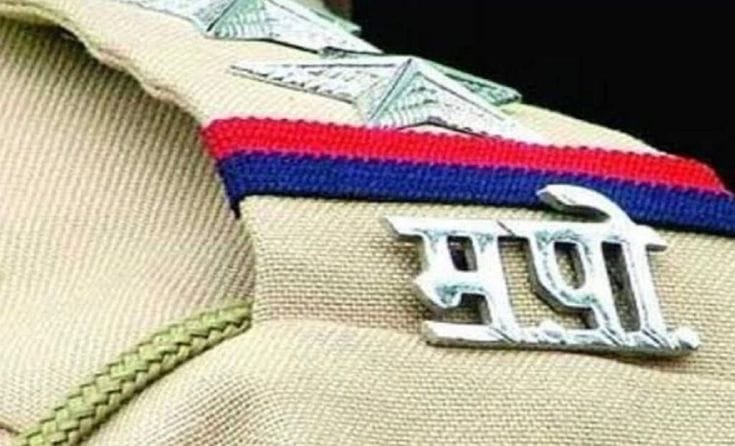
The Pune Police issue preventive Jamavbandi orders for 14 days as the city prepares for festival-related crowd movement and stricter control on public gatherings.
Pune Curfew News
Pune woke up to confusion over reports of “curfew” on Tuesday, but the police made it clear that there is no lockdown in the city. What has actually been imposed is a set of preventive Jamavbandi orders for 14 days starting from the night of May 26, under which public gatherings like protests, rallies, and meetings will not be allowed.
The government says the restrictions are to maintain order in the present situation and to address the dangers of crowds, especially around festivals. Pune Police Commissioner Amitesh Kumar also said people can move freely and that the orders are routine preventive measures, not a ban on public movement. Yeh issue kaafi important hai because misinformation around curfew-like orders can create panic, while the actual restriction is narrower and more specific.
What the Order Means
The key point is that Pune has not been placed under lockdown. Instead, the police have used a standard law-and-order mechanism to temporarily restrict public assemblies. These orders are typically issued when there is concern about large gatherings, possible disruption, or law-and-order risks. The Economic Times has covered the full story.
According to the report cited by local media, activities such as protests, marches, meetings, and similar public events will not be allowed during the 14-day period. At the same time, normal movement of people is still permitted. That means residents can travel, go to work, access markets, and move around the city as usual, unless another specific restriction applies.
This distinction matters a lot. A lockdown means broad restrictions on movement and business activity. A Jamavbandi-style preventive order is much narrower. It focuses on preventing crowds from assembling in ways that may create a public order problem. In simple words, movement allowed hai, but bheed jama karne wali activities par रोक hai.
Why Police Took This Step
Police said the orders are being issued as a precaution during the current situation and are intended to prevent groups from gathering and causing harm to society or property. Commissioner Amitesh Kumar explained that these are fortnightly orders that are regularly issued by police.
That explanation suggests the action is not unusual or extraordinary. In many Indian cities, preventive orders are used around festivals, sensitive periods, or when the administration wants to avoid sudden crowd-related problems. Pune, being a large urban center with active political, social, and cultural activity, often sees public gatherings that can quickly become difficult to manage if tensions rise.
The mention of criminals gathering in groups is also important. Police often use such orders to prevent the formation of crowds that could be used to threaten public safety, vandalize property, or intensify local disputes. So while the order may feel restrictive to organizers, its purpose is largely preventive rather than punitive.
Crackdown on Illegal Eateries
Alongside the gathering restrictions, Pune Police have also intensified action against unauthorized hawkers, vendors violating permitted timings, and roadside food stalls operating on footpaths or beyond approved hours. The administration said the focus is on outlets running after 10 pm without official permission.
This reflects a broader city-management effort. In Indian cities, illegal roadside eateries and late-night stalls often become a source of traffic congestion, noise, sanitation issues, and safety concerns. Police action here is not just about food vendors; it is also about public order, pedestrian movement, and enforcement of municipal rules.
For residents, this can have mixed effects. On one hand, stricter action may reduce clutter, encroachment, and late-night disorder. On the other hand, it may disrupt small vendors who depend on evening business. That is why such drives often become politically and socially sensitive. Still, from an enforcement standpoint, the city seems to be signaling that rule violations after permitted hours will not be tolerated.
What Is Allowed and What Is Not
This is the part residents are most likely to care about. Here is the practical reading of the order:
Allowed
Normal public movement across the city.
Commuting for work, study, or personal travel.
Regular market activity and day-to-day civic movement.
Festival-related movement that does not violate the order.
Not Allowed
Public protests.
Marches and processions.
Public meetings and large gatherings.
Similar crowd-based activities during the restriction period.
Unauthorized hawking and food stalls operating beyond approved timing, especially after 10 pm.
That said, residents should still check local police advisories if they plan to organize any event. Enforcement in such cases can vary depending on the exact wording of the order and the sensitivity of the location. But the broad message from police is clear: large gatherings are out; normal life is not.
Also Read: NEET Probe in Maharashtra Exposes a Bigger Coaching Economy Crisis
Background and Context
Preventive orders like this are not new in Indian policing. Cities often use them ahead of festivals, public events, or sensitive law-and-order periods to avoid last-minute trouble. Pune, in particular, has a large population, active civic groups, and a busy public culture, so crowd-control measures are frequently part of routine administration.
The timing also matters. Festival periods usually bring more people onto the streets, more events, more traffic, and higher pressure on police resources. By imposing restrictions in advance, the administration can reduce the risk of clashes, unauthorized assemblies, or disruptions in busy localities.
At the same time, public confusion is common when terms like “curfew,” “order,” and “restrictions” are used loosely in headlines. That is why the police clarification is important. Residents need to know that this is not an emergency lockdown but a targeted preventive measure. Without that clarity, rumors can spread faster than facts. In a city like Pune, that can create unnecessary anxiety.
Timeline
Night of May 26: 14-day preventive restrictions begin.
Immediately after reports circulate: Curfew rumors spread among residents.
Police clarification: Commissioner Amitesh Kumar states there is no lockdown and people can move freely.
Ongoing: Action intensifies against illegal eateries and unauthorized late-night stalls.
Next two weeks: Public gatherings, marches, and meetings remain restricted.
Why This Matters
This matters because public order rules directly affect how a city functions. Even if the restrictions are limited, they shape the way political parties, social groups, vendors, and event organizers operate for the next two weeks. For ordinary citizens, the biggest concern is avoiding confusion and understanding what is actually permitted.
It also matters because enforcement against illegal eateries and unauthorized stalls can affect thousands of daily routines. Many people rely on these food spots, especially after long workdays. So when police step up action, it can change traffic flow, late-night movement, and the local economy. Yeh issue kaafi important hai because it touches both safety and livelihoods, which is why such orders always need careful handling.
India Angle
Across India, city police often have to balance two things at once: the right of people to move freely and the need to keep public spaces safe. Pune’s case fits that wider Indian pattern very well. The city is not being shut down, but the administration is clearly telling people that large public gatherings will not be tolerated for now.
The India angle is also about festival management. In many Indian cities, festival season means more people, more traffic, and more police coordination. In Hinglish, seedhi baat yeh hai: jab bheed badhti hai, police ko pehle se step lena padta hai. That is what seems to be happening in Pune right now.
Analysis
My opinion as a news writer is that the police did the right thing by clarifying quickly that this is not a lockdown. In today’s environment, one misleading word can trigger panic on social media. The order itself appears to be a standard preventive step, but the communication around it is just as important as the restriction. Pune residents need practical information, not dramatic headlines. The crackdown on illegal eateries also suggests the administration wants to clean up multiple public-order issues at once.
What Next
Over the next 14 days, Pune residents should expect closer policing of public gatherings and stricter checks on unauthorized commercial activity, especially at night. If any major festival event or procession is planned, organizers may need to seek formal permission well in advance.
If the situation remains calm, these orders may pass with little disruption to normal life. But if there are attempts to stage protests or large gatherings in violation of the order, police action could become more visible. For vendors and small eateries, the next two weeks may also bring more inspections and possible fines or shutdowns if they violate timing rules.
Conclusion
Pune is not under lockdown, but the city is under 14 days of preventive restrictions that ban public gatherings, protests, and marches while allowing free movement. The police say the move is routine, aimed at crowd control and preventing law-and-order problems during the current period.
At the same time, the crackdown on illegal eateries and late-night footpath stalls shows that enforcement is being tightened on multiple fronts. For residents, the main takeaway is simple: stay informed, follow the rules, and do not confuse preventive orders with a citywide shutdown. Clear information will matter more than ever in the coming days.
Written By A. Jack