
Amit Abhay Brahme, a 48 year old IT engineer with Tata Consultancy Services (TCS) at Pune, committed suicide in his house on June 2, allegedly over workplace harassment. During the probe, police recovered a two-page suicide note from his room in which Brahme alleged mental harassment by two senior employees — Archana and Shashwati — and fake complaints by a colleague he considered a friend, Vinod Palicha, to tarnish his image on the Hinjewadi IT campus. The three employees have been booked under abetment to suicide case and no arrests have been made yet.
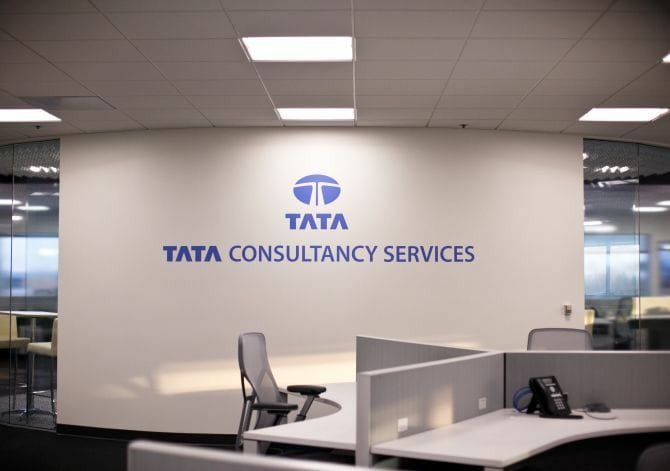
The Tata Consultancy Services (TCS) office campus at Hinjewadi, Pune, is where 48-year-old IT engineer Amit Abhay Brahme was allegedly subjected to prolonged mental harassment and humiliation. Image Credit: PTI
Amit Abhay Brahme, a 48-year-old TCS engineer based in Pune’s Hinjewadi IT hub, died by suicide at his residence on June 2 after allegedly enduring prolonged workplace harassment. Police discovered a two-page suicide note in his room detailing claims of mental harassment by senior employees Archana and Shashwati, who allegedly took away good projects and assigned him impossible tasks. Brahme also blamed colleague Vinod Palicha for filing false complaints to damage his image among teammates.
The Pune police have filed a case of abetment to suicide against the three named employees. Assistant Commissioner of Police Sudhakar Yadav confirmed the case and said a thorough investigation into all technical and corporate aspects is underway. The Nascent Information Technology Employees Senate (NITES), Maharashtra’s only registered IT trade union, has appealed to Chief Minister Devendra Fadnavis to examine safeguards for employee distress and workplace grievances, citing another TCS employee death—24-year-old Sujal Vinod Oswal—in January on the same Hinjewadi campus.
Why and How the Event Happened
In the suicide note, Brahme alleged that good projects were deliberately taken away from him and handed to the two senior colleagues, Archana and Shashwati. He claimed these seniors mentally harassed him, assigning him extremely difficult tasks that could not be completed on time. The note also mentioned repeated humiliation in front of the entire team and staff, along with constant pressure to resign. NDTV has covered the full story.
Brahme faulted his friend Palicha for allegedly filing false complaints against him to tarnish his image among colleagues. People close to Brahme said the note exposed the harsh reality of mental harassment faced by employees in the company.
Assistant Commissioner of Police Sudhakar Yadav said the police have filed a case of abetment to suicide against the three employees named in the suicide note. No one has been arrested yet. “We are conducting a thorough investigation into every technical and corporate aspect of the matter,” Yadav said.
Quotes and Statements
Assistant Commissioner of Police Sudhakar Yadav said: “We are conducting a thorough investigation into every technical and corporate aspect of the matter.”
NITES said in its appeal, “Brahme took the extreme step after allegedly facing prolonged mental harassment and humiliation at the workplace. In January, similarly, Sujal Vinod Oswal, a 24-year-old employee of TCS, was found dead on the TCS campus at Hinjewadi, Pune. While the circumstances surrounding that incident remain a matter of investigation, the occurrence of two employee deaths connected with the same corporate establishment within a span of a few months cannot be ignored or treated as a routine occurrence.”
A person close to Brahme said: “The note exposed the harsh reality of mental harassment faced by employees in the company. Amit was under constant pressure and humiliation, and it clearly broke him.”
An HR expert commented: “Workplace harassment and mental distress are critical issues in the IT sector. Companies must have robust grievance redressal, mental health support, and safe reporting mechanisms to prevent such tragedies.”
Background and Context
Workplace harassment and mental distress are growing concerns in India’s IT sector. Employees often face pressure, humiliation, and unfair project allocation, which can lead to severe emotional stress. The case of Amit Abhay Brahme highlights these issues, with allegations of seniors taking away good projects and assigning impossible tasks.
This incident follows another TCS employee death in January, when 24-year-old Sujal Vinod Oswal was found dead on the TCS campus at Hinjewadi, Pune. While the circumstances of Oswal’s death remain under investigation, the occurrence of two employee deaths linked to the same corporate establishment within a few months raises serious concerns about workplace culture and employee well-being.
NITES, the only registered trade union in Maharashtra formed by IT employees, has appealed to Chief Minister Devendra Fadnavis to look into larger concerns about safeguards for employee distress, grievance addressing, and tragedy prevention. The union’s action signals growing demand for corporate accountability and employee protection in the IT industry.
Timeline
January 2026: 24-year-old TCS employee Sujal Vinod Oswal found dead on TCS Hinjewadi campus; circumstances under investigation.
June 2, 2026: Amit Abhay Brahme, 48-year-old TCS engineer, dies by suicide at his house in Pune.
Post-June 2: Police find a two-page suicide note in Brahme’s room alleging harassment by Archana and Shashwati and false complaints by Vinod Palicha.
Investigation: Pune police file abetment to suicide case against the three employees; no arrests yet.
Assistant Commissioner Yadav: Confirms thorough investigation into technical and corporate aspects.
NITES appeal: The Trade union appeals to CM Fadnavis to examine safeguards for employee distress and grievances.
Ongoing: Investigation continues; TCS and authorities review workplace culture and policies.
Why This Matters
This matters because workplace harassment and mental distress are critical issues in the IT sector, and this case exposes the harsh reality employees face. Prolonged humiliation, pressure to resign, and unfair project allocation can lead to severe emotional distress and tragic outcomes.
It also matters for the industry. Two employee deaths linked to the same corporate establishment within a few months cannot be ignored. This highlights the need for robust grievance redressal, mental health support, and safe reporting mechanisms in IT companies.
For society, this is a reminder that employee well-being must be prioritised. Yeh issue kaafi important hai because it shows how workplace harassment can lead to tragedy and how corporate accountability and employee protection are essential.
India Angle
The India angle is strong because Pune’s Hinjewadi is one of India’s largest IT hubs, with thousands of employees working in companies like TCS. This case resonates with Indian IT workers who face similar pressures and harassment.
In Hinglish, seedhi baat yeh hai: jab IT employee harassment face karta hai, toh yeh pure industry ko affect karta hai. Indian IT workers will be concerned about workplace culture, mental health, and grievance mechanisms.
For Indian readers, this is a reminder that employee well-being is critical in the IT sector. The case will be closely watched by IT employees, unions, and policymakers, and it could lead to stronger safeguards for workers across India.
Analysis
My opinion is that this is a tragic and concerning case that highlights the urgent need for workplace mental health support and grievance redressal in the IT sector. The allegations of harassment and false complaints show how toxic workplace cultures can lead to despair.
The occurrence of two TCS employee deaths within a few months signals a deeper issue that must be addressed. Yeh issue kaafi important hai because it shows how workplace harassment can lead to tragedy and how corporate accountability and employee protection are essential.
What Next
The Pune police will continue their thorough investigation into the technical and corporate aspects of the matter. The three named employees may face further legal action if evidence supports the abetment to suicide charge.
TCS may review internal HR processes, project allocation policies, and grievance mechanisms to prevent future incidents. The company may also introduce stronger mental health support and safe reporting channels for employees.
NITES and other trade unions may push for stronger safeguards for employee distress and workplace grievances across the IT industry. The case could trigger policy changes and increased corporate accountability in India’s IT sector.
Conclusion
Amit Abhay Brahme, a 48-year-old TCS engineer in Pune, died by suicide on June 2 after alleging prolonged workplace harassment by seniors Archana and Shashwati and false complaints by colleague Vinod Palicha. Police found a two-page suicide note detailing claims of mental harassment, project takeaways, humiliation, and pressure to resign. An abetment-to-suicide case has been filed against the three employees, with no arrests yet, and a thorough investigation is underway.
Yeh tragedy kaafi heartbreaking hai because it exposes the harsh reality of workplace harassment and mental distress in the IT sector. The occurrence of two TCS employee deaths within a few months signals a deeper issue that must be addressed. NITES’ appeal to CM Fadnavis highlights the need for stronger safeguards for employee well-being, and this case will trigger discussions on corporate accountability and worker protection in India’s IT industry.
Written By A. Jack