The Indian rupee fell sharply to a record low of 95.31 against the US dollar on Monday, pressured by surging crude oil prices and rising global geopolitical tensions. The decline came amid fears of prolonged disruptions in energy supplies and a broader selloff across Indian financial markets.
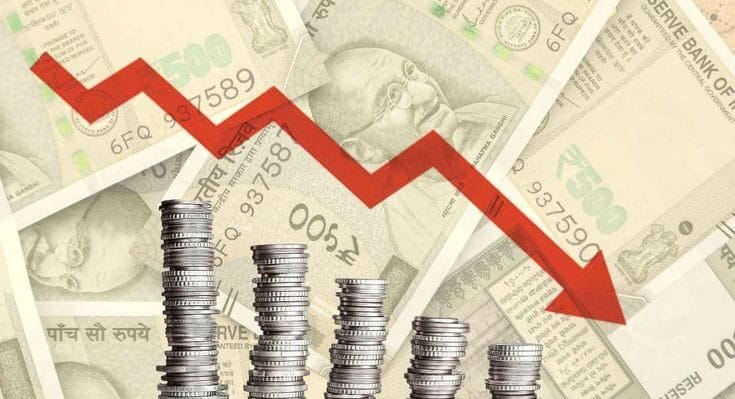
The rupee fell to a new all-time low on Wednesday as global oil prices rose and investor sentiment remained cautious in India’s financial markets.
Rupee Hits Record Low Again as Currency Falls
The rupee’s latest slide is a serious warning sign for India’s economy. On Monday, the currency fell nearly 0.9% in a single day to close at 95.31 per US dollar, marking its sharpest one-day decline in more than a month and setting a fresh record low. The drop came as crude oil prices climbed and tensions between the US and Iran intensified, unsettling markets across the world.
This is not just a currency story. It is a broader macroeconomic stress signal that can affect fuel prices, inflation, import costs, and investor confidence in India. In a country that relies heavily on imported crude oil, every jump in global oil prices puts extra pressure on the rupee. That is exactly what happened here.
What Triggered The Fall
The immediate trigger was the rise in crude oil prices. Brent crude climbed 2.5% to $103.8 per barrel, and shipping movement through the Strait of Hormuz was reported to be severely disrupted. Since the Strait is one of the world’s most important oil transit routes, any disruption there tends to push oil prices higher and create fear in global commodity markets. The Times Of India [TOI] has covered the full story.
The pressure worsened after US President Donald Trump rejected Iran’s response to a proposed peace deal, increasing worries that energy supply disruptions could continue. When geopolitics threatens oil flows, currencies of oil-importing countries usually feel the heat. India is one of the biggest oil importers in the world, so the rupee reacts quickly to such shocks.
In simple terms, expensive oil means India needs more dollars to pay the same import bill. That increases demand for the US currency and weakens the rupee. Yeh issue kaafi important hai because currency stress can spread far beyond trading screens and reach everyday household budgets.
How The Market Reacted
The rupee’s decline was not isolated. The selloff spilled over into Indian equity and bond markets as well. Benchmark stock indices fell 1.5%, while government bond prices weakened and the yield on India’s benchmark 10-year bond rose by 6 basis points.
That reaction makes sense. Higher oil prices can hurt corporate margins, raise inflation expectations, and reduce the room for interest-rate comfort. Investors tend to respond by becoming more cautious, and that caution often shows up first in currencies, then in stocks, and then in bonds.
The rupee’s fall also mirrored weakness across regional currencies. That means India was not alone in facing pressure, but its vulnerability is more pronounced because of its import dependence and its large trade exposure to energy markets.
Background And Context
This latest fall comes after a period of relative stability that has now been shaken by external shocks. India’s forex reserves stood at $690.69 billion as of May 1, according to RBI data, down from the record $728 billion touched in February before the Iran conflict intensified. That matters because reserves act as a buffer. They help the central bank manage volatility and support the currency if needed.
The rupee’s slump also reflects a wider tension between global uncertainty and domestic resilience. India’s economy remains one of the fastest-growing major economies, but a strong growth story does not fully protect the currency from imported inflation and oil shocks. When crude rises sharply, India often pays twice: once through a weaker rupee and again through higher domestic prices.
Over the weekend, Prime Minister Narendra Modi called for measures such as fuel conservation, reduced imports, and lower travel consumption as oil prices began straining India’s foreign exchange position. That statement shows how seriously policymakers are viewing the situation. It is not a small market wobble; it is a potentially wider economic pressure point.
Timeline
Before Monday: Brent crude begins rising on geopolitical tension and supply concerns.
Weekend: PM Modi urges fuel conservation and reduced imports as oil pressure builds.
Monday morning: Indian markets open under stress as global oil worries continue.
Through the day: Rupee slides sharply against the dollar and keeps weakening.
Market close: Rupee ends at a record low of 95.31 per US dollar.
Same session: Indian equities fall 1.5% and bond yields rise.
This timeline shows how quickly geopolitical developments can travel into India’s financial system.
Also Read: Iran Seizes Sanctioned Oil Tanker in Gulf of Oman Amid Rising US-Iran Tensions
Why This Matters
This matters because the rupee affects almost every part of the Indian economy. A weaker currency can make imported goods more expensive, especially fuel, electronics, machinery, and certain raw materials. That can eventually increase inflation and affect household budgets, transport costs, and business margins.
It also matters for businesses that depend on imports or foreign debt. If the rupee weakens, their dollar-denominated payments become more expensive. Exporters may benefit to some extent because they earn more rupees for overseas sales, but the overall economy still feels pressure when energy costs rise sharply. For ordinary people, the impact often shows up indirectly—higher petrol and diesel prices, costlier travel, and rising prices of everyday goods.
The psychological effect is also important. When the rupee hits a fresh low, markets read it as a sign of stress. That can affect investor confidence and create more volatility. In short, a currency fall is not just a trading event; it is a signal about the health and mood of the economy.
India Angle
For India, this is especially serious because the country is highly exposed to oil price swings. Imported crude fuels transport, industry, and power in many sectors. So when Brent crosses higher levels, the ripple effect reaches cities, villages, manufacturers, and consumers alike.
The Indian angle is also about policy choices. If oil remains high, the government and RBI may need to rely on a mix of fiscal caution, import management, currency support, and demand moderation. That is why PM Modi’s remarks on fuel conservation and reduced imports matter. They reflect an attempt to contain external pressure before it becomes a larger domestic problem.
From a common citizen’s perspective, the question is simple: will this affect daily costs? The answer is likely yes, if elevated oil prices and a weak rupee persist. That is why people should watch not only currency headlines but also fuel prices and inflation data over the coming weeks.
Analysis
My analysis is that this fall was driven more by external shock than domestic panic. India’s macro fundamentals have not suddenly collapsed, but the country is being hit by a classic imported inflation problem. When oil rises and geopolitical risk intensifies, the rupee becomes vulnerable even if domestic policy remains stable. The real test now is whether the RBI can manage volatility without draining reserves too quickly and whether global oil markets calm down.
What Next
The next few sessions will likely be driven by oil movements, geopolitical headlines, and RBI action or signals. If crude stays high or the Strait of Hormuz remains disrupted, the rupee may continue to trade weak. If tensions ease, markets could stabilize somewhat.
Indian policymakers may also watch fuel demand patterns, import behavior, and inflation expectations more closely. The RBI may step in with verbal guidance or market support if volatility grows too fast. Meanwhile, businesses that import energy-intensive inputs may need to prepare for a tougher cost environment.
For consumers, the most immediate thing to monitor is retail fuel pricing and inflation-linked expenses. Even if the rupee does not keep falling at the same pace, the aftereffects of one sharp currency drop can linger for weeks or months.
Conclusion
The rupee’s fall to 95.31 per US dollar is a clear reminder that India remains vulnerable to global oil shocks and geopolitical tension. The decline was sharp, the market reaction was broad, and the policy concern is real. With crude prices rising and the Strait of Hormuz disruption adding uncertainty, the pressure on the currency may not ease quickly.
India still has strong forex reserves and policy tools to manage volatility, but this episode shows how quickly external shocks can reach the domestic economy. For now, the rupee’s record low is more than a number—it is a warning about cost pressures, market nerves, and the need for careful economic steering.
Written By A. Jack