New Zealand actor Sam Neill, who is best known worldwide for Jurassic Park and The Piano, has died aged 78 in Sydney. His family said the death was sudden and unexpected, and tributes have been pouring in for the actor who helped put New Zealand talent on the world stage.
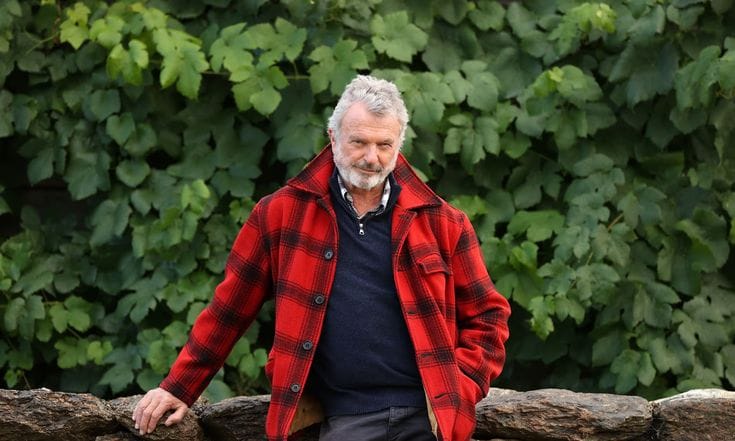
Sam Neill, the New Zealand actor best known for Jurassic Park and The Piano, has died at the age of 78.
Veteran actor Sam Neill, 78, passed away on Monday, according to a family statement posted to his social media page. A New Zealand star with a decades-long career in film and television has died in Sydney in what his family called a “sudden and unexpected” death.
Neill was one of the most recognizable faces to come out of the New Zealand and Australian cinema wave that gained international recognition from the late 1970s onwards. He built a career that moved easily between blockbuster entertainment and serious art film, from fighting dinosaurs in Jurassic Park to appearing in prestige dramas like The Piano. This is a huge loss. Sam Neill was not just an actor; he was a bridge between New Zealand cinema and the world.
A Career That Crossed Genres
Sam Neill’s filmography shows a rare kind of range. He became a global star through Jurassic Park, where his role brought him into one of the most successful film franchises in history. But long before that, he had already established himself as a serious actor through projects like The Piano, where he played Holly Hunter’s husband in a film that became internationally acclaimed.
He also appeared in major television and film titles such as Peaky Blinders, The Hunt for Red October, and Omen III: The Final Conflict. That wide mix of roles helped define him as a performer who could fit into almost any kind of story, from historical drama to suspense to science fiction. In an industry that often boxes actors into one image, Neill stood out for his versatility. Check out more: Vijaya Mehta, Iconic Theatre Practitioner and Administrator, Dies at 91.
Health And Final Years
Neill revealed in 2023 that he was diagnosed with angioimmunoblastic T-cell lymphoma, a rare form of non-Hodgkin lymphoma. His family issued a statement saying he was still cancer-free when he died but did not give a specific cause.
This fact is important because it suggests that the illness he mentioned earlier might not have been the cause of his demise. No further medical details have been released by the family, and the statement emphasized the sudden nature of the death. It makes it all the more difficult to process for fans and colleagues because it came without warning.
Tributes From New Zealand
New Zealand Prime Minister Christopher Luxon led the tributes, calling Neill “one of the greats.” Luxon said the actor helped carry New Zealand stories to the world for more than fifty years, at a time when the country had barely any film industry to speak of.
His words reflect the broader national sentiment. Neill was not only a famous actor; he was part of the generation that helped shape New Zealand’s cultural identity on screen. Luxon also praised the way he fought illness with dignity, humor, and conviction—qualities many fans would say were visible in his performances too. Check out more interesting news here.
Background And Context
Sam Neill was born in Northern Ireland in 1947 and immigrated to New Zealand as a child. Born Nigel John Dermot Neill, he adopted the nickname “Sam” and then used it as his professional name. He said he encouraged the nickname because he thought it might reduce the chance of being victimized, a small but revealing glimpse into his early life and personality.
Born and raised in Dunedin, he studied at university in Christchurch before starting his acting career. One of his first major breakthroughs came in 1977, with Sleeping Dogs, the first feature film to be made in New Zealand in over a decade. That role helped launch a career that would go international.
In addition to acting, Neill was known for living a relatively modest life. He ran vineyards in Central Otago on New Zealand’s South Island, away from the usual celebrity limelight. That detail fit with his reputation in New Zealand as down-to-earth and unpretentious, someone who never seemed to get completely caught up in fame.
Sam Neill’s Journey From New Zealand to Global Stardom
1947: Sam Neill is born in Northern Ireland.
Childhood: He moves to New Zealand with his family.
1977: He stars in Sleeping Dogs, helping revive New Zealand feature filmmaking.
Late 1970s onward: He becomes part of the international rise of Australian and New Zealand cinema.
2023: He reveals his lymphoma diagnosis.
Monday: His family announces his death in Sydney at age 78.
This timeline shows a long, steady career built over decades, not one quick burst of fame. That sort of longevity is rare, and that is part of what has made the news so difficult. This story has been covered before by Al-Jazeera.
Why This Matters
This is important, because Sam Neill was one of the actors who helped push New Zealand cinema from relative obscurity to international acclaim. He worked in an industry that was still in its infancy and his success helped to open doors for later generations of filmmakers and performers.
It matters too because his career proved that an actor could move between commercial hits and serious artistic work without losing credibility. It’s a hard balance to find and Neill did it with grace. Yeh issue kaafi important hai because his life represents both cultural achievement and artistic discipline.
Why Sam Neill’s Death Resonates With Indian Movie Fans
Indian audiences may best remember Sam Neill for Jurassic Park, a film that became a pop-culture staple in India as well. He was seen on TV and in films that were shown, discussed and loved for generations. Many Indian viewers grew up watching him.
Indian film buffs who like actors of range and depth will mourn his passing. In a movie culture that values the ability to own the screen, Neill was a standout in the ability to do so with authority and warmth. His death also reminds us of the manner in which global cinema shapes the memories of Indian audiences as well.
What Sam Neill’s Career Meant for Global Cinema
Neill is a good example of a performer who can achieve international fame without becoming superficial. He had a rare ability to work on big commercial projects but earned the respect of critics and filmmakers. That’s part of his legacy of dual credibility.
His life story is also the story of New Zealand’s emergence as a serious cultural force in film. At home the industry was still very small when Neill started. By the time of his later career, New Zealand had become internationally known for its filmmaking talent, and Neill was one of the names that helped make that possible.
There was also a quiet dignity about the way he handled fame. He didn’t seem to be looking for fame for its own sake. But he worked steadily, lived modestly, and built a reputation on craft, not on spectacle. That might explain why the tributes feel so warm and personal.
What Comes Next After Sam Neill’s Passing
More tributes from actors, directors and fans all over the world are expected to pour in over the next few days. His most memorable performances, especially Jurassic Park, The Piano and his New Zealand work, might also be revisited in film retrospectives.
He may also find renewed interest in his contribution to New Zealand cinema and to the global visibility of actors from the region. For the audiences, the next immediate step is remembrance; for the industry, it is reflection on the kind of legacy Neill leaves behind.
Conclusion
Sam Neill’s passing is a loss for New Zealand’s most accomplished and beloved actor. He moved easily between blockbuster movies, television drama and art house cinema and leaves behind a legacy of work that will be seen and remembered for generations to come.
He wasn’t just some guy you saw in Jurassic Park. He was a cultural figure who helped shape New Zealand’s film identity and brought audiences around the world performances of intelligence, restraint and warmth. His death is a terrible loss but his work will keep his influence alive for years to come.
–Written by A. Aisha–