
The victim was pushed down from Lohagad Fort as part of a conspiracy that was planned at a cafe in Pune, police said. The case has generated a furious public response after the accused’s own family demanded the harshest punishment if found guilty.
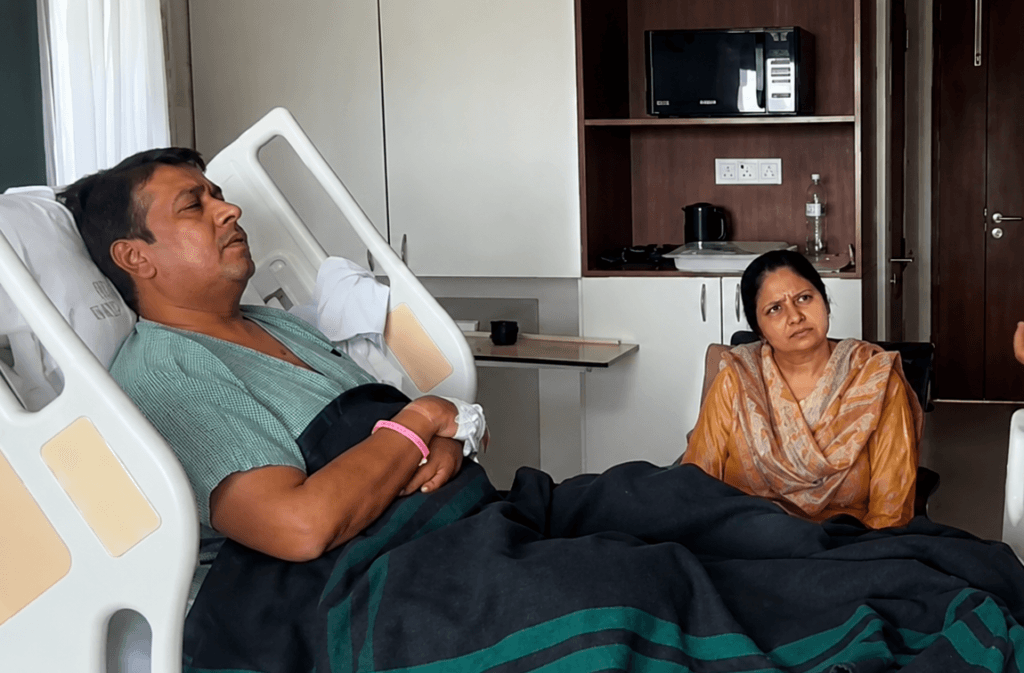
Father and Mother of Siya Goyal. Image Credit: PTI
Siya Goyal Murder Case: A shocking murder case linked to Lohagad Fort in Pune has taken a dramatic turn after the mother of accused Siya Goyal said her daughter should be hanged if found guilty. Police allege that Siya Goyal and her alleged lover Chetan Babulal Chaudhary pushed 26-year-old Ketan Agarwal from the fort, causing him to fall to his death. What was initially presented as an accidental fall during a trek is now being investigated as murder and criminal conspiracy, with police citing CCTV footage, phone records and witness-linked details to build their case.
This case has gripped public attention because it combines betrayal, alleged pre-planning and a tragic death in a setting that was supposed to be a simple trek. The emotional response from Siya’s parents has added another layer to the story, making it one of the most talked-about crime cases in Pune right now.
How Police Say the Murder Happened
According to police, the incident was not spontaneous. They say Siya Goyal met Chetan Chaudhary at a cafe in Pune on the morning of June 18 to plan the killing. The two allegedly discussed how to carry out the act and identified specific locations at Lohagad Fort where Ketan Agarwal could be pushed. Later that day, Siya reportedly took Ketan to the fort under the pretext of a trek that would last three to four hours, while Chetan followed them separately. NDTV has covered the full story.
Police allege that the pair pushed Ketan from behind into a gorge. After the fall, Siya allegedly told Ketan’s family that he had slipped during the trek. That version, investigators now believe, was meant to conceal the real sequence of events.
The fort itself is a well-known trekking destination in the Sahyadri range and sits about 3,300 feet above sea level. That makes it both scenic and potentially dangerous. A fall there can be fatal, which is why police say the location may have been chosen deliberately. In cases like this, the terrain becomes part of the crime story because the environment can make an assault look accidental.
Evidence That Raised Suspicion
Police say the investigation did not rely on one clue alone. Instead, multiple details helped them build suspicion. CCTV footage from the cafe reportedly shows Siya and Chetan sitting together in discussion before the incident. Investigators also examined footage from the fort, where a man wearing shorts and a hoodie was seen walking behind the couple. The hood was pulled low, and he wore a headset over it.
One moment in the footage drew particular attention: Siya is seen looking back suddenly, after which the man in the hoodie sits down immediately. Police say the heavy clothing was unusual because the temperature that afternoon was around 33 degrees Celsius. In an outdoor trek setting, such attire stood out and added to the suspicion that the person may have been trying to disguise himself.
Phone record analysis also appears to have strengthened the case. Police say Siya and Chetan exchanged 2,004 calls over six to seven months, amounting to nearly 238 hours of conversation. Some calls reportedly lasted two to three hours. That volume of communication suggests a very close and sustained relationship, and investigators believe it supports the conspiracy angle.
The police also noted that Siya had made repeated attempts to bring Ketan to Lohagad Fort. The couple first visited on May 31. Four days later, on June 4, Siya again pressed for another trip, but Ketan’s mother did not permit it. On June 14, she persuaded him to go again. Police say that during that earlier visit, she allegedly tried to push him off a cliff, but he managed to hold on to a bush. When he asked why she had pushed him, Siya allegedly said there had been a snake and that she had acted to protect him.
That detail is especially disturbing because it suggests a possible prior attempt, not just a one-time event. If investigators can prove that sequence, it would significantly strengthen the prosecution case.
Family Reaction and Public Shock
The response from Siya Goyal’s parents has stunned many people. Her mother told reporters that if her daughter is guilty, she should receive the strictest punishment, adding that she should be hanged. Her father made a similar statement, saying that whoever is guilty in the case should be hanged, even if it is his own daughter.
Those statements are rare and powerful because they show a family publicly separating emotional loyalty from legal responsibility. In Indian society, where family honor and personal loyalty often carry deep weight, such a statement has a strong impact. It also reflects the seriousness of the allegations and the moral shock surrounding the case.
The father is currently being treated at a Pune hospital after suffering a heart attack on June 23, and the family’s Market Yard residence remains locked. Siya’s brother is reportedly staying at the hospital to care for both parents. The situation is clearly tragic for every family involved, and the emotional fallout is likely to continue even as the legal process moves forward.
Background and Relationship
Police say Siya and Ketan became engaged in February this year and were planning a grand wedding ceremony in Udaipur in November, with a palace already booked. That detail is important because it shows that, on the surface, the relationship appeared headed toward marriage and a major family celebration.
But police now allege that Siya did not want to proceed with the wedding and that she and Chetan viewed Ketan as an obstacle to their relationship. According to investigators, the two first met at a Diwali 2025 party, and their alleged relationship developed over months of frequent contact.
This background gives the case a classic triangle structure, but the consequences are tragic rather than dramatic. A planned wedding, repeated meetings, heavy phone communication and an alleged murder plot together create a deeply unsettling narrative. The case is not just about jealousy; it is also about premeditation, deception and the use of trust as a weapon.
Timeline
Diwali 2025: Siya Goyal and Chetan Chaudhary reportedly first meet at a party.
February 2026: Siya and Ketan Agarwal get engaged.
May 31, 2026: The couple visits Lohagad Fort.
June 4, 2026: Siya allegedly urges another visit, but Ketan’s mother does not allow it.
June 14, 2026: Siya persuades Ketan to go again; police say she allegedly tries to push him off a cliff.
June 18, 2026: Police say Siya and Chetan meet at a Pune cafe to plan the killing.
Later on June 18, 2026: Ketan is taken to Lohagad Fort and allegedly pushed to his death.
June 23, 2026: Siya’s father suffers a heart attack and is hospitalized.
After the incident: Police charge Siya and Chetan with murder and criminal conspiracy.
Why This Matters
This matters because it is not just a murder case; it is a case about trust, planning and the collapse of a relationship into alleged violence. When a person is accused of killing a fiance and disguising it as an accident, public concern naturally rises. Yeh issue kaafi important hai because it highlights how domestic and relationship conflicts can become deadly when manipulation and secrecy are involved.
It also matters because the case has implications for how police investigate suspicious accidental deaths, especially in remote tourist or trekking areas. A fall can look accidental at first, but with the right forensic and digital evidence, a very different story can emerge. That is a crucial reminder for law enforcement and for the public.
The emotional dimension is equally significant. A family grieving the death of their son, while another family publicly demands punishment even for their own daughter if she is guilty, shows how devastating the case has been on all sides. In a country where crime stories often become viral quickly, this one stands out because of its human tragedy and its moral complexity.
India Angle
For Indian readers, especially those in Maharashtra, this case hits hard because it involves familiar places, family expectations and marriage planning. Treks to forts like Lohagad are common weekend activities, so the idea that a recreational outing could turn into a murder scene is deeply unsettling. In Hinglish, seedhi baat yeh hai: jo jagah fun aur outing ke liye thi, wahi jagah alleged crime scene ban gayi.
The case also reflects the social pressure around engagements and weddings in India. There is often intense family involvement, planning and commitment once a marriage is fixed. Here, that very structure appears to have been part of the tragedy, which is why the story resonates so strongly.
Another reason it matters in the Indian context is the role of digital evidence. CCTV footage, call records and location-linked movement are now central to police work. This is a modern Indian crime story in the sense that the truth is being reconstructed through technology as much as through witness statements.
Analysis
My view is that the strongest element in the police narrative is the chain of circumstantial evidence: repeated visits to the fort, the cafe meeting, the phone records and the unusual clothing seen on CCTV. None of those details alone proves guilt, but together they create a picture that investigators will likely use to argue premeditation.
At the same time, it is important to separate allegation from conviction. The family’s statements and the police theory are powerful, but the legal process still needs to establish guilt in court. That balance is critical in responsible reporting.
What makes this case especially compelling, and especially sad, is that it sits at the intersection of romance, betrayal, and criminal intent. The emotional fallout is huge, but so is the legal seriousness. If the charges hold, this could become one of the more widely discussed crime cases from Pune this year.
What Next
The next step is the legal process. Police will continue to examine digital evidence, witness statements and the sequence of events leading up to Ketan Agarwal’s death. The murder and criminal conspiracy charges suggest the case will likely move through a detailed and possibly lengthy investigation.
If the prosecution strengthens its case with forensics, call-detail analysis and CCTV verification, the charges could become more severe in court. The accused will have the opportunity to contest the allegations, and the final outcome will depend on evidence, not public outrage.
For the families, the next phase will be painful regardless of the legal outcome. One family is grieving a son, while another is being forced to confront shocking allegations against their daughter. That human cost will remain even after the court process begins.
Conclusion
The Lohagad Fort murder case has shaken Pune because it combines alleged planning, a young couple’s engagement, and a family’s shockingly honest call for justice. Police say Siya Goyal and Chetan Babulal Chaudhary pushed Ketan Agarwal from the fort after meeting at a Pune cafe to plan the killing, while Siya’s parents have said she should face the harshest punishment if she is guilty. As the investigation continues, the case stands out as a grim reminder that hidden relationships and carefully planned deception can end in irreversible tragedy.
Written By A. Jack