The result means the group winners will now face Morocco in Monterrey, while the runners-up will take on the five-time World Cup champions in Houston. Japan and Sweden both get through but the path ahead looks very different.
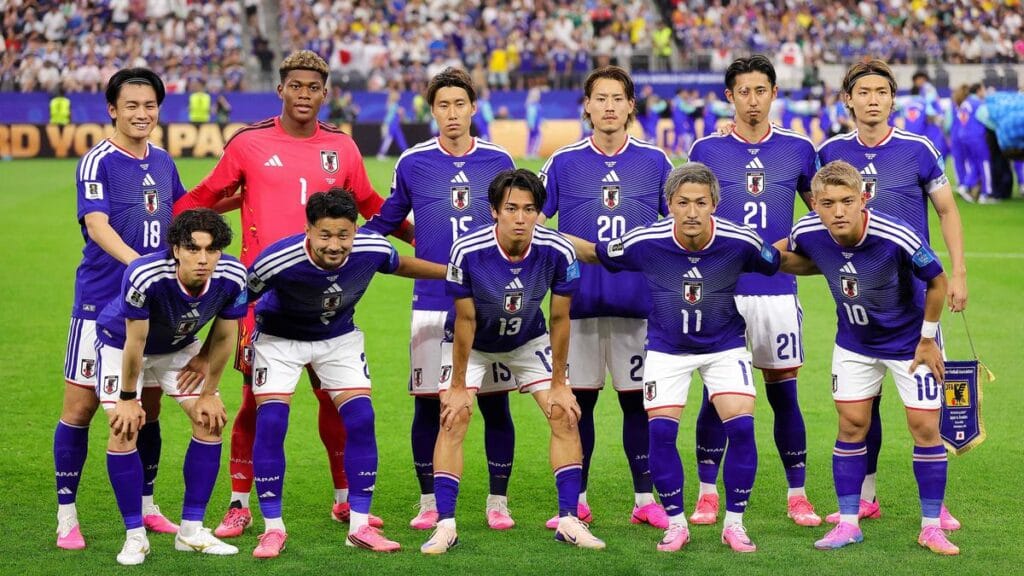
Japan and Sweden share the points after a 1-1 draw in Group F. Image Credit: The Hindu
FIFA World Cup 2026: Japan and Sweden played out a 1-1 draw on Thursday in a Group F match that confirmed both sides’ progress to the World Cup knockout rounds. Sweden earned the equalizer through Anthony Elanga in the 62nd minute, while Japan did enough to secure second place in the group. The result was competitive rather than chaotic, but it carried major consequences for the knockout bracket, with the group winners headed to Monterrey to face Morocco and the runners-up set for a tougher test in Houston against the five-time World Cup champions.
How the Match Unfolded
This was one of those group-stage games where the scoreline mattered as much as the performance. Japan entered the match looking to finish strongly and secure a favorable position, while Sweden needed a result to stay alive and protect their own route into the next round. The pace was controlled for much of the contest, but the match still had enough tension to keep both benches engaged until the final whistle. The Hindu has covered the full story.
The key moment for Sweden came in the 62nd minute, when Anthony Elanga curled in the equalizer. That goal changed the tone of the game because it gave Sweden the point they needed to remain in the picture and ensured Japan could not take full control of the group. Elanga’s finish was important not only because of the timing, but because it reflected Sweden’s ability to respond when the game was slipping away.
Japan, meanwhile, showed the kind of stability that often defines successful tournament teams. Even without a runaway win, they managed the match well enough to finish second in the group. In World Cup football, that can be enough, especially when progression matters more than style points.
Why Japan Finished Second
Japan’s second-place finish reflects consistency rather than domination. They did not need to win in spectacular fashion because the group standings and earlier results had already put them in a strong position. That said, they still had to avoid slipping too far, and they handled the occasion with enough control to make sure they stayed in the knockout picture.
The important thing here is tournament management. Japan did not panic after Sweden equalised and they did not allow the game to turn into a chaotic chase. That kind of discipline is often the difference between teams that survive group play and teams that get exposed when the pressure rises.
Sweden, for their part, got the result they needed to stay afloat and move forward too. That makes this a rare group-stage draw in which both sides can walk away satisfied, even if neither will feel fully comfortable about the road ahead.
Knockout Bracket Impact
The most significant part of this result is what it does to the knockout draw. The group winners will face Morocco in Monterrey, while the runners-up will meet the five-time World Cup champions in Houston on the same day. That is a huge difference in difficulty and a reminder that finishing first or second can shape an entire tournament run.
For Japan, finishing second may be acceptable, but it comes with a tougher assignment. For Sweden, the draw is a lifeline, but it does not necessarily make the next round easier. In fact, the mention of the five-time champions is enough to tell you that the path ahead is demanding.
This is exactly why group-stage games remain so important even when both teams are already close to advancing. Seeding matters. Matchups matter. And in a World Cup, one position in the standings can change the emotional and tactical outlook of everything that follows.
Background and Context
Japan has increasingly built a reputation as a disciplined, tactically organized side in World Cup play. They tend to value structure, movement and collective responsibility, which is why they are often difficult to break down in matches like this one. Even when the scoreboard is close, they usually keep enough control to stay on course.
Sweden, meanwhile, is the kind of team that can cause trouble if given space to settle into a tournament rhythm. Their equalizer through Anthony Elanga showed they still have quality in decisive moments. A draw like this is not always glamorous, but in the context of World Cup group play, it can be enough to keep a campaign moving.
Both teams know that the next stage becomes a very different kind of football. Group-stage caution gives way to knockout urgency, and every mistake carries a bigger cost. That is why this draw is important even without a winner.
Timeline
Opening phase: Japan and Sweden play a cautious but competitive Group F match.
First half: Neither side fully takes control, though both remain in progression contention.
62nd minute: Anthony Elanga curls in Sweden’s equalizer.
After the goal: Japan manage the match to ensure second place in Group F.
Full time: The game ends 1-1, sending both Japan and Sweden into the knockout rounds.
Next stage: Group winners face Morocco in Monterrey, while the runners-up take on the five-time World Cup champions in Houston.
Also Read: Netherlands Beat Tunisia 3-1 to Top Group F and Avoid Brazil Clash in World Cup Last 32
Why This Matters
This matters because World Cup group standings are not just about who advances—they are about who gets the better path. Japan’s second-place finish may still be strong enough to keep hopes alive, but it likely brings a more difficult next opponent. Sweden’s draw keeps them in the tournament, which is all that matters at this stage.
It also matters because both teams showed the kind of control and resilience that tournament football demands. Yeh issue kaafi important hai because a single goal can flip a group and decide whether a team gets a manageable opponent or a giant in the next round.
For fans, this is also the part of the tournament where the drama becomes clearer. Knockout football is coming, and with it the possibility of upsets, tactical shifts and sudden exits. That is what makes a simple 1-1 draw feel much bigger than it looks on paper.
India Angle
For Indian football fans, this result is a good reminder that World Cup football is often about path management as much as pure brilliance. Japan’s ability to stay composed and Sweden’s ability to fight back both offer useful lessons for teams that want to build long-term tournament credibility. In Hinglish, seedhi baat yeh hai: sirf acha khelna kaafi nahi hota, sahi position lena bhi zaroori hota hai.
Indian viewers often follow Japan closely because of their disciplined style and strong team structure. Sweden’s late equalizer will also appeal to fans who enjoy underdog resistance and late-match tension. These are exactly the kinds of results that keep World Cup conversations alive in India, especially among fans who enjoy tactical football.
There is also a broader lesson for Indian football development. Consistency matters more than individual moments across a whole tournament. Japan’s second-place finish shows how steady performance can keep a team in the picture even when they do not completely dominate.
Analysis
My view is that this was a strategically useful draw for both sides, even if it lacked the drama of a last-minute winner. Japan did just enough to keep their campaign stable, while Sweden avoided elimination and kept their own run alive. That kind of result is not always the most exciting, but it is often one of the most meaningful.
The bracket implications make the story stronger too. The difference between facing Morocco in Monterrey and the five-time World Cup champions in Houston is significant, and that adds weight to what might otherwise seem like a routine group-stage match. In tournament football, context turns ordinary results into important ones.
What Next
Japan now moves into the knockout rounds as Group F runners-up, which means they must prepare for a more difficult challenge in Houston. Their next step will be to tighten any gaps and make sure their usual structure holds up under heavier pressure.
Sweden also advance and the equalizer from Anthony Elanga may prove crucial if they can build on it. A draw can sometimes give a team belief, especially when it comes from a player who can produce in big moments.
For both teams, the next phase is all about risk and reward. One mistake can end the tournament, but one sharp performance can launch a deep run. That is what makes the knockout stage so compelling.
Conclusion
Japan’s 1-1 draw with Sweden did enough to send both teams into the World Cup knockout rounds, but the result also set up very different next challenges. Anthony Elanga’s equalizer helped Sweden survive Group F, while Japan finished second and must now face a tougher route ahead. It was not a wild finish, but it was a highly meaningful result in the context of the tournament, where position can matter just as much as points.
Written By A. Jac