Even as dehydration and metabolic abnormalities were detected, Wangchuk refused intravenous fluids, oral rehydration solution and other medication, hospital authorities said. Meanwhile, supporters of the CJP said their planned ‘Chalo Sansad’ march will take place on Monday.
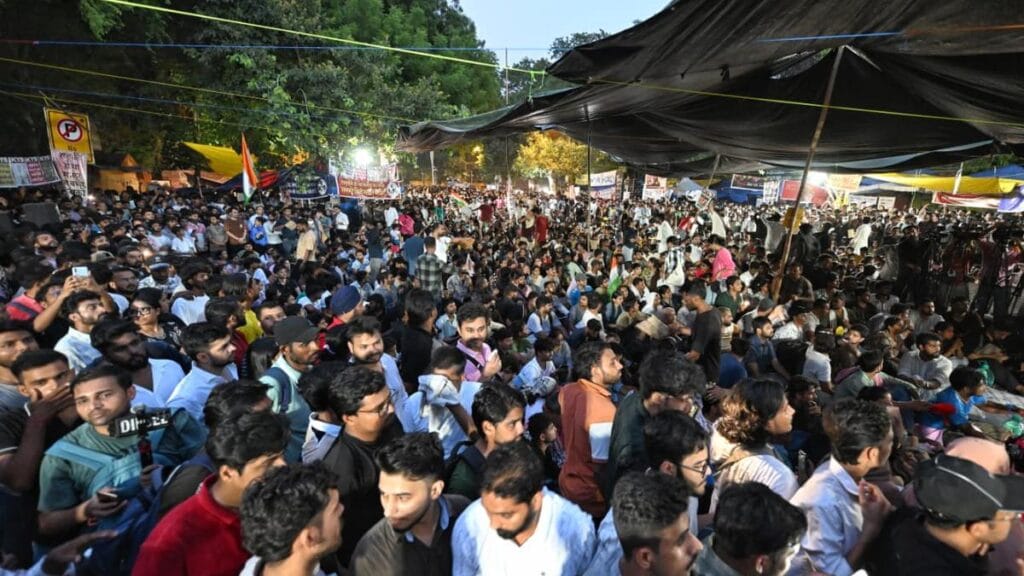
Sonam Wangchuk remains under medical observation in hospital after 21 days of fasting. Image Credit: The Hindu
Sonam Wangchuk’s hunger strike has entered a critical phase after hospital authorities said the activist continues to fast even after being shifted from Jantar Mantar to Safdarjung Hospital in Delhi. In the latest bulletin, doctors said an independent expert from AIIMS has agreed with the treating team that Wangchuk needs “immediate medical intervention”.
The update comes after Wangchuk was removed from the protest site on Saturday as his indefinite fast reached day 21. Hospital officials said he refused intravenous fluids, oral rehydration solution and other medications through the day, even though signs of dehydration and metabolic abnormalities were already visible. This has turned the protest into a medical emergency as well as a political one. Yeh issue kaafi important hai because it is no longer just about a demonstration — it is now about protecting a life while a larger public agitation continues around it.
What the Hospital Said
According to the latest bulletin, Wangchuk’s condition remains serious enough to require immediate intervention. The independent AIIMS expert’s concurrence with the treating doctors adds weight to the concern, because it means the medical assessment is not limited to one team’s opinion. When multiple doctors agree that a patient needs urgent care, the situation becomes far more alarming. This story was also covered by TheHindu.
The hospital also said that Wangchuk had refused IV fluids, oral rehydration solution and medication throughout the day on Saturday. That refusal matters because hunger strikes can become dangerous very quickly once dehydration and metabolic imbalance set in. The body starts running low on energy, fluids and essential salts, which can affect organs and consciousness. In such situations, treatment is not only about comfort; it is about preventing irreversible harm.
This development also changes the tone of the protest. A fast that began as a political or moral appeal has now become a serious health emergency monitored by specialists. That is why the medical bulletins are receiving so much attention. Seedhi baat yeh hai: when a hunger strike reaches this stage, the question is no longer just what the protest demands but whether the protester can safely continue it.
CJP’s Protest Continues
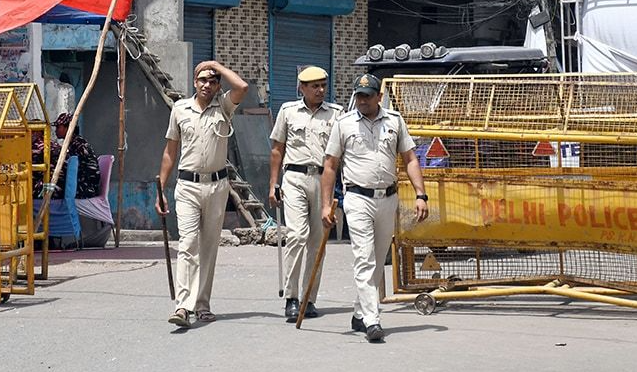
Even as Wangchuk remains in hospital, the Cockroach Janata Party and its founder Abhijeet Dipke said the broader protest would continue. They alleged that Delhi Police is planning to crack down on the protest during the night or early morning to silence the voice of youth. The group has urged the public to join a night vigil and said that the planned “Chalo Sansad” march on Monday, July 20, will go ahead as scheduled.
That announcement suggests the protest is entering a new phase. Instead of slowing down after Wangchuk’s hospitalisation, supporters are trying to build momentum around the health crisis and the alleged administrative response. In many Indian protests, this is a common pattern: a dramatic event becomes the emotional centre of a larger movement. The march to Parliament will likely become a test of both crowd mobilisation and police preparedness.
The CJP’s framing also shows how protest language evolves quickly. The group is not only speaking about education reform anymore; it is also presenting itself as a voice under pressure. That can rally supporters, but it can also increase scrutiny. In a democracy, the right to protest is protected, but public order still matters. This balance will be central in the coming hours. Yeh bhi important hai because the story is now as much about crowd politics as it is about health.
Wife’s Concerns
Wangchuk’s wife, Gitanjali J. Angmo, has raised concerns about transparency in the hospital’s handling of his case. She has reportedly pushed for him to be discharged and previously said that nothing should be administered to Wangchuk orally or intravenously without consent from her, the family, and the doctors who had monitored him over the past 20 days.
Her remarks add a deeply personal layer to the situation. In cases involving prolonged hunger strikes, family members often become central voices because they are the ones most worried about the activist’s safety and treatment. Her call for transparency suggests a possible trust gap between the family and the medical process, although the hospital’s side has made clear that the medical need is urgent.
This is not just a private family issue. Once a protester’s health enters the public domain, every update gets politicised, interpreted and debated. That is why communication from hospitals, police and family members becomes so important. It helps prevent confusion and misinformation, especially when emotions are high. In a country like India, such situations quickly turn into national conversations.
Anna Hazare’s Intervention
Veteran activist Anna Hazare also stepped into the discussion on Saturday, saying the Union government should hold talks with Wangchuk. In a video message, Hazare said the government should not test his limits and should either accept or reject his demands but should at least hold discussions.
Hazare’s statement is significant because he is one of India’s most recognised voices on mass protest and moral pressure politics. When he says talks should happen, it adds credibility to the idea that dialogue may be better than confrontation. His message was simple but strong: if a protest has reached a critical human stage, the government should not allow it to harden into a crisis.
This is a reminder that public protest in India often becomes a negotiation between moral urgency and state response. If leaders like Hazare are calling for talks, the pressure on the government rises. It also signals that the issue is no longer confined to one activist’s fast; it has grown into a larger debate about how the state should engage with dissent. Seedhi baat yeh hai: jab movement itna bada ho jaye, tab sirf police response se kaam nahi chalta, dialogue bhi chahiye.
Background
Wangchuk’s hunger strike began in connection with demands over the alleged NEET paper leak and broader education reforms. Over time, the protest became closely linked with the Cockroach Janata Party and its founder Abhijeet Dipke, who helped keep the issue visible at Jantar Mantar. The protest site, long associated with demonstrations, again became the focal point for political and social unrest.
By the time Wangchuk reached day 21 of his fast, doctors had already warned that his health was becoming critical. That is when the Delhi High Court and medical authorities became more involved, leading to his removal from the protest site and admission to hospital. On Friday, doctors said his condition was an emergency, with fears of organ failure. On Saturday, he continued to refuse basic medical support.
The sequence is important because it shows how a protest can move from symbolic resistance to medical emergency very quickly. Hunger strikes are intended to show seriousness of purpose, but they also carry real physical danger. In this case, that danger is now front and centre. Yeh background samajhna zaroori hai because the current update did not happen suddenly; it is the result of a long, intensifying protest.
Timeline
June 28: Sonam Wangchuk begins his indefinite hunger strike at Jantar Mantar.
Following days: Support grows around demands linked to the alleged NEET paper leak and education reform.
July 18, morning: Police remove Wangchuk from Jantar Mantar and shift him to hospital.
July 18, evening: Hospital says he refused IV fluids, ORS and medication despite dehydration and metabolic abnormalities.
July 18: AIIMS expert concurs that immediate medical intervention is needed.
July 18: CJP says it will continue the protest and keep the “Chalo Sansad” march on Monday.
July 18: Anna Hazare urges the government to hold talks with Wangchuk.
Also Read: CJP Protest in Jantar Mantar: Woman Hurls Ink-Like Liquid at Abhijeet Dipke During Rally
Why This Matters
This matters because it sits at the intersection of health, protest rights, education policy and political accountability. A hunger strike becomes far more serious when medical experts warn that immediate intervention is necessary. At that point, the state, the protesters and the family all share responsibility in different ways. Yeh issue kaafi important hai because a democracy must protect both the right to dissent and the life of the dissenter.
It also matters because the protest is tied to the wider anger around the alleged NEET paper leak. That issue affects students and parents across India, not just in Delhi. When a national exam is questioned, public trust in the education system gets shaken. So even though the immediate story is about Wangchuk’s health, the larger grievance has a much wider reach.
There is also a social lesson here. India has a strong tradition of moral protest, but prolonged fasting is dangerous when it goes beyond what the body can handle. The hospital bulletins are a reminder that political movements must have limits when human life is at stake. The balance between pressure and safety is not easy, but it is necessary.
India Angle
For Indian readers, this story connects to a familiar pattern: protests in Delhi quickly become national symbols. From student agitations to farmers’ movements to anti-corruption campaigns, the capital often becomes the stage where the country’s biggest anxieties are played out. In Hinglish, seedhi baat yeh hai: Jantar Mantar is sirf ek location nahi, India ke protest culture ka mirror hai.
The education angle also matters deeply in India because exam anxiety is a household reality. The NEET issue touches lakhs of students, coaching families and parents who see competitive exams as life-defining. That is why Wangchuk’s fast has gained emotional traction. It is not just one man’s protest; it reflects a much bigger trust crisis.
The other India angle is governance. If prominent activists and even veterans like Anna Hazare are asking for dialogue, the government may need to think carefully about public messaging and engagement. In India, how a protest is handled often becomes as important as the issue itself. That is why this story will likely remain in the news cycle.
Analysis
My opinion is that the situation has now crossed the point where rhetoric alone can solve it. The hospital’s statement that Wangchuk needs immediate intervention, combined with his refusal of fluids and medication, makes the medical side too serious to ignore. That does not mean his protest lacks legitimacy; it means the stakes have become dangerously high. If the goal is to pressure the government, the movement now has to decide how far it is willing to go.
From an editorial perspective, this story is powerful because it has emotional immediacy. Readers can understand the danger of fasting, the uncertainty around treatment and the political symbolism of a march to Parliament. It is exactly the kind of story where facts and tone both matter. The reporting must be clear, but the human cost should never be flattened into just a political headline.
What Next
The next step is likely to be further medical monitoring of Wangchuk at the hospital. Doctors will continue to assess whether he accepts intervention or whether more urgent measures are needed. The response from his family and supporters will also remain crucial in shaping treatment decisions.
Politically, Monday’s “Chalo Sansad” march will be the biggest development to watch. If it goes ahead, it may draw significant attention and possibly a stronger police response. If authorities intervene, that could further inflame the controversy. If the government opens dialogue, the situation may soften. That is the most likely path to de-escalation.
In the short term, all eyes will be on the next medical bulletin and the protest site’s security situation. The story is not over; it is entering its most delicate phase. What happens in the next 24 to 48 hours may determine whether this becomes a negotiated protest or a deeper crisis.
Conclusion
Sonam Wangchuk’s hunger strike has now become a serious medical emergency, with an AIIMS expert agreeing that immediate intervention is needed and hospital authorities confirming signs of dehydration and metabolic imbalance. At the same time, supporters of the CJP are pushing ahead with protest plans, while his wife continues to raise concerns about transparency and activist Anna Hazare calls for dialogue.
The issue is bigger than one protest or one hospital bulletin — it is about the right to dissent, the duty to protect life and the urgency of addressing the education concerns that sparked the protest in the first place. As the situation develops, the central question remains simple: can the state, the family and the protesters find a humane way forward before the fast reaches a point of no return?
Written by A. Jack