Family in Uttar Pradesh Tragedy After Eating Stale RasgullasBrought Home from Wedding Function; Authorities Investigating Possible Food Poisoning
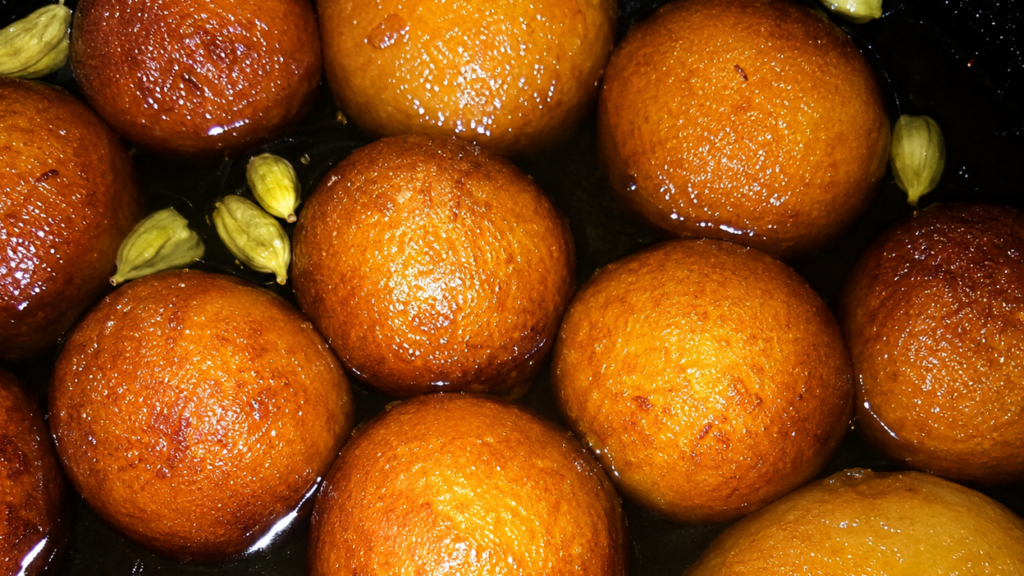
This image is only for illustrations. Stale Rasgullas
A two-year-old boy died and six other members of the family fell sick in Uttar Pradesh’s Bijnor district, allegedly after eating three-day-old rasgullas. The tragic incident has raised serious concerns about food safety. The incident took place in Jeetpur Khas village under the Nangal Soti area, where a family is said to have eaten sweets brought to their home from a wedding function several days back.
Local reports said the rasgullas were first served at a marriage function and then distributed among family members. Within hours of eating the sweets, several people in the household began suffering from severe stomach pain, vomiting and diarrhoea. All seven were rushed for medical treatment, but the youngest victim, two-year-old Dev Kumar, could not survive.
The tragedy has sent shockwaves through the local community and has ignited fresh discussions on food hygiene, storage practices, and awareness about consuming leftover food items.
How the Incident Happened
Reports said Sudha Devi, a resident of Jeetpur Khas village, had come back from her maternal home at Daulatpur village a few days ago. Her relative Suresh Kumar, a halwai (sweet maker), had reportedly received rasgullas from a wedding function three days ago.
At last the sweets were given to Sudha Devi, who took them to her home. Later rasgullas were distributed among family members. Sudha Devi’s son Rajiv was reported to have eaten the sweets Thursday morning with his wife and children, including two-year-old Dev Kumar and six-year-old Kartik.
Several family members developed symptoms typical of food poisoning in a short period of time. The affected persons complained of nausea, severe abdominal pain, recurrent vomiting, and diarrhoea. The family’s health deteriorated rapidly, with relatives and neighbours urgently calling for medical help.
Therapy was initiated in all seven patients. But Dev Kumar did not survive the treatment despite medical efforts, and what was originally considered a routine illness became a devastating family tragedy.
Police officials visited the village later to collect information and assess the circumstances of the incident.
Possible Cause
A detailed medical investigation might be required to ascertain the precise cause of death, but initial indications suggest food poisoning due to consumption of stale food.
Milk-based sweets like rasgullas are extremely perishable, say experts. If not kept at the proper temperatures, harmful bacteria can multiply very quickly within a few hours. Such sweets can become dangerous after several days without refrigeration or proper preservation.
Food can get contaminated for many reasons. Some of the most common causes are poor storage, heat, unhygienic handling, and bacterial growth. In the country, refrigeration facilities may not always be available, and leftover sweets and food items may spoil much faster, especially in warm weather conditions.
Doctors often warn that symptoms such as vomiting, diarrhoea, stomach cramps, dehydration and weakness can develop within hours of eating contaminated food. Young children are particularly vulnerable, because their immune systems are less able to cope with serious bacterial infections and dehydration.
Reactions from the Community
The villagers are very sad over the incident. Residents were shocked that a sweet they regularly consume could lead to such a tragic end.
The candies looked normal and were shared in good faith with relatives, so no one suspected them to be dangerous, a local resident told the Associated Press.
Health practitioners often stress that individuals should avoid taking food items whose freshness they cannot ascertain. A food safety expert commenting on similar cases said that even if sweets look edible, bacterial contamination may not always be visible to the naked eye.
Experts say milk-based desserts are best eaten soon after they’re made and stored under the right conditions. Any odd smell or texture or if it has been stored for a long time should be taken as a warning.
Food Poisoning Cases in India
Food poisoning cases are not uncommon in India, unfortunately. There are multiple incidents of contaminated sweets, spoilt dairy products, improperly stored meals and unhygienic food preparation practices every year.
In recent years, authorities in different states have carried out inspections and seized expired food items from shops, wedding venues, and catering services. During the festive seasons, the issue of adulteration and improper storage of sweets is often raised as a major concern.
Health authorities have told us that food left over from large gatherings, weddings, and social functions needs to be handled carefully. You can share leftover food to reduce wastage, but if not refrigerated properly, eating such food after days can be a big health hazard.
This latest tragedy only further emphasises the importance of food safety awareness at the household level.
Timeline of Events
Rasgullas, it is said, were procured three days before the incident from a wedding ceremony where a relative was working as a halwai. Later the sweets were handed over to Sudha Devi when she came to her maternal house. She then took the rasgullas to her home in Jeetpur Khas village.
On Thursday morning family members ate the sweets. Soon many people began to experience stomach aches, vomiting, and diarrhoea. Medical treatment was sought immediately, but two-year-old Dev Kumar died during treatment. Subsequently, police officials reached the village and collected information about the incident.
Also read: Slaves of Jammu Kashmir: Pakistan Rangers Fire Again on Protesters, 16 Dead PoK
Why This Matters
This tragedy is significant because it brings attention to a common, but usually ignored, problem: food safety in the home. Weddings, festivals, religious gatherings, social events, and leftovers from such occasions are a common item on the plates of many families across India. And in most cases there are no bad consequences. However, if food is not stored correctly or is eaten after a long time, the risks can be significant.
The death of a small child is a good example of how quickly food poisoning can progress to a life-threatening emergency. Children and the elderly and those with weaker immune systems are especially at risk of complications.
The incident also highlights the need for greater public awareness about food storage. Many people don’t realise that dairy-based sweets have a short shelf life and need refrigeration to be safe to eat.
From a public health standpoint, these cases highlight the importance of education, monitoring, and preventive measures that can save lives.
India Angle
This incident is highly relevant locally for Indian families. In many homes, the leftover sweets are usually distributed among the relatives and neighbours, especially during the wedding season. This is a generous practice that also helps reduce food waste, but proper storage is important.
Yeh issue bahut important hai kyunki bahut log samajhte hain ki sweets kuch din tak safe hain agar woh fresh lagti hain. But appearance alone does not guarantee the safety of food. Milk-based products like rasgulla, gulab jamun, rasmalai, and other desserts spoil quickly if exposed to improper temperatures.
Awareness programmes on the safe handling of food can help prevent such tragedies in India in rural and urban areas. It is important to educate families to check the storage conditions, expiration periods, and signs of spoilage before consuming any leftover food.
Analysis
It is more than just isolated family tragedy from a news and public interest perspective. It is indicative of a greater challenge in awareness of food hygiene at the grassroots.
As a digital journalist and writer, the scariest part is that it was probably an unseen threat. It appears that the sweets were taken in good faith and eaten, which demonstrates how hard it is for ordinary families to know whether the food is contaminated.
The incident also highlights the need for stronger educational outreach on food safety. “The government agencies, healthcare workers, schools, and community organisations can help teach simple but effective practices such as refrigeration, proper storage, and timely disposal of perishable foods.
As always, prevention is much easier and more effective than treatment of food-borne illnesses.
What Next?
Authorities are expected to continue to learn more information about the incident. Medical findings may shed more light on the precise cause of illness and death.
Confirmation of food poisoning could lead to renewed conversations about food safety practices, particularly around leftover food from social events and wedding ceremonies.
Healthcare professionals also might view the event as an opportunity to teach people about the dangers of eating stale dairy foods. Community meetings and public health campaigns could help educate residents about how to identify possible signs of spoilt food.
But for the family involved, the focus is on dealing with a loss unimaginable. The death of a young child has cast a pall over the village and is a painful reminder of the consequences that can come from something as simple as a sweet shared between loved ones. this story also covered by The times of india
Conclusion
The tragic death of two-year-old Dev Kumar and the illness of six other members of his family in Uttar Pradesh have highlighted the lethal consequences of consuming stale or poorly stored food. What started out as a simple sharing of leftover wedding sweets ended up breaking the heart of a family.
The investigations and medical tests might tell a little more, but this incident already sends an important message: food safety is no joke. Proper storage, knowledge of shelf life, and caution when eating leftovers are important practices that can help avoid unnecessary tragedies.
Even as communities across India continue to mark weddings and social gatherings, this case is a sobering reminder that health protection starts with the everyday decisions we make in our homes.