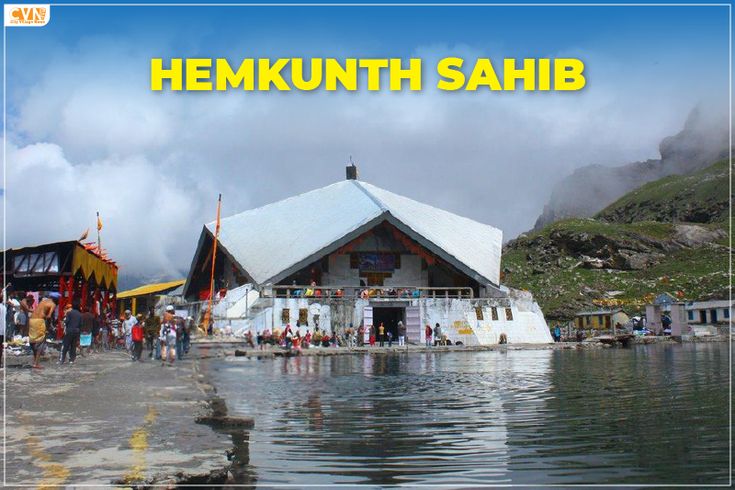
The Kedarnath pilgrimage route in Uttarakhand has become more dangerous with the arrival of monsoon rains. So far four persons have died and six others critically injured in different incidents of falling rocks and accidents on the trek route during the ongoing yatra season.
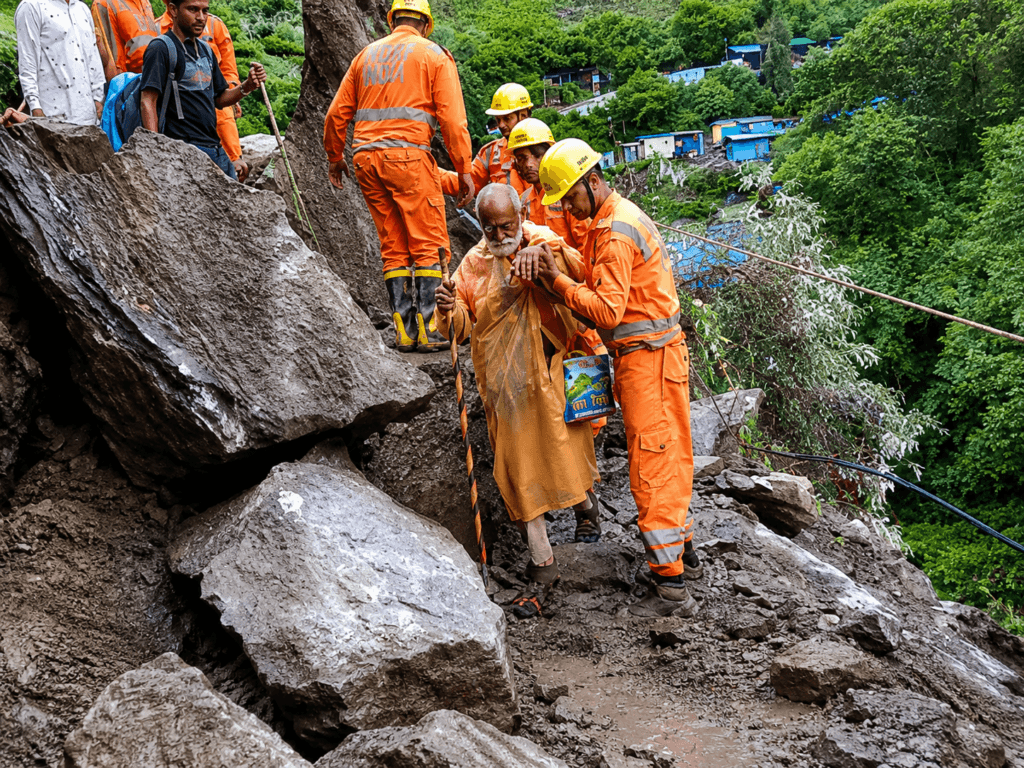
This image is only for illustrations.
The sacred Kedarnath Yatra, one of India’s most important Hindu pilgrimages, is increasingly plagued with safety issues as heavy rains and treacherous mountain slopes continue to threaten the safety of travelers. Four pilgrims and travelers have died and six others have been seriously injured in separate incidents along the Kedarnath pedestrian route during the current pilgrimage season, officials said.
The incidents have raised concern among local authorities, disaster management teams, and devotees, especially with weather forecasts indicating the possibility of moderate to heavy rainfall in the coming days. The tough Himalayan terrain and monsoon conditions have made some sections of the route especially prone to falling rocks and landslides.
For thousands of devotees who undertake the sacred journey to seek blessings at Kedarnath Temple each year, safety is now as important as faith. While travelling through vulnerable stretches of the route, pilgrims have been asked to be cautious and follow all the advisories.
Why Are Accidents on the Kedarnath Road Increasing?
The Kedarnath trek route is especially vulnerable during the monsoon. The steady rain softens the mountain slopes, loosens the rocks, and makes landslides more likely. Much of the route crosses steep valleys and fragile geological zones where minor variations in weather can make conditions dangerous.
The first major tragedy of the season occurred on May 22, when a businessman was killed when rocks suddenly slid down a hillside. Another person was wounded in the same incident.
Another fatal accident occurred on June 5 when a horseman died as debris fell on him near the Jungle Chatti area. One member of the group was badly injured.
In another recent incident, a woman devotee died as rocks fell on the pathway. Two other pilgrims were seriously injured and taken to the hospital for urgent treatment.
The latest tragedy took place Wednesday when two young men slipped and fell in a deep gorge on the Gaurikund-Kedarnath trekking route. One was dead; the other was in critical condition.
These incidents taken together suggest the growing perils of the pilgrimage in the rainy season.
Administration on High Alert
Elaborate security arrangements have been made on the route of pilgrimage, said District Disaster Management Officer N.S. Rajwar. The personnel of Police, State Disaster Response Force (SDRF), National Disaster Response Force (NDRF), and Home Guards have been deployed at vulnerable locations to assist the pilgrims and to reach emergencies swiftly.
Officials have also been constantly advising the travelers to stay alert and not to take any unnecessary risks while crossing the stretches prone to landslides.
A senior official associated with yatra management said, “Authorities are doing their best to ensure the safety of pilgrims. But the weather in the mountains and the geology are so unpredictable that it is almost impossible to be totally safe.
Pilgrims are asked to keep themselves updated about the weather and follow the directions of the local authorities before they start their journey.
What is the geological hazard?
The Kedarnath region is located in the fragile Himalayan mountain system, which is regarded as one of the youngest and geologically most active mountain ranges in the world. The region is naturally prone to landslides and rockfalls due to frequent tectonic activity, unstable rock formations, and heavy rainfalls.
Experts say the risk could increase sharply in July and August when monsoon activity is usually at its peak. Sometimes rocks fall without rain due to natural erosion and slope instability, adding to the fun.
This leaves travelers exposed to danger throughout the journey regardless of weather conditions.
Background
The Kedarnath region has witnessed several natural calamities in the past. The 2013 floods in Uttarakhand are still one of the worst disasters in recent Indian history. Thousands were killed, and infrastructure and pilgrimage routes were badly hit.
In the aftermath of the disaster, both the Central government and the Uttarakhand government poured resources into rebuilding roads, bridges, shelters, and disaster response systems. Improved rescue infrastructure, better communication networks, and new safety measures have led to a significant improvement in preparedness.
Even with these improvements, the risks in the challenging Himalayan environment cannot be totally removed.
Major Incidents This Season – Timeline
A businessman was killed and another was injured after rocks hit the trekking route on 22 May.
On June 5, a horse operator died and a pilgrim was critically injured near Jungle Chatti.
In another rockfall incident, a female pilgrim was later killed and two others were injured.
One person died and another was critically injured when two youths slipped into a gorge on the Gaurikund-Kedarnath route on Wednesday.
Why This Matters
This is a problem much larger than a string of accidents. Kedarnath is one of the holiest pilgrimage sites in India and draws hundreds of thousands of devotees every year. Threats to traveler safety have broader implications for religious tourism, livelihoods, and public faith.
Tourism and pilgrimage-based activities are the backbone of the local economy in many parts of Uttarakhand. The yatra season is a big source of livelihood for hotel owners, transport operators, shopkeepers, pony operators, and local workers.
Continued safety problems could affect the number of pilgrims and have economic consequences for thousands of families in the region.
India Angle
Religious tourism in India has phenomenally grown in the last decade. Kedarnath, Badrinath, Amarnath, and Vaishno Devi are some of the places of pilgrimage that attract millions of pilgrims every year.
The incidents on the Kedarnath route are a stark reminder of the need for infrastructure to keep pace with the rising number of tourists. But faith may be the reason people make these trips, and keeping them safe must be a national priority.
The message for pilgrims across India is simple: devotion should be tempered with caution. Having proper equipment, checking weather forecasts, and following official advisories can greatly reduce risks while traveling in the mountains.
Analysis
From a news and public safety point of view, the recent accidents highlight the increasing difficulties of controlling high-volume pilgrimages in environmentally fragile areas. Authorities have beefed up disaster-response mechanisms since the tragedy in 2013, but the growing number of visitors and unpredictable weather patterns are still testing the system.
The case for the expansion of real-time weather monitoring, for the addition of further rockfall protection systems, and for the introduction of advanced warning technologies on vulnerable stretches of the route is a strong one. Better crowd management and temporary travel restrictions during extreme weather events may also help reduce casualties.
This situation illustrates the need for a balanced approach that protects religious traditions and human lives.
What Next?
The weather agencies have predicted more rains in the coming weeks, and authorities are likely to step up monitoring and safety measures on the Kedarnath route. Higher-risk locations may get more personnel, and temporary restrictions may be put in place if weather conditions worsen.
Pilgrims are also being asked to refrain from unnecessary travel during periods of heavy rain and to strictly adhere to instructions from authorities.
The authorities and the devotees will keep a close watch on the success of these precautionary measures as the monsoon advances. this story also covered by ANI
Conclusion
Even today, for millions of Indians, the Kedarnath pilgrimage is a symbol of faith and spiritual devotion. But the recent deaths and injuries on the trekking route are a rude reminder of the dangers of the Himalayan terrain during the monsoon season.
Four people are dead and others have been injured Authorities say it’s a tough balance between allowing access to the pilgrimage and ensuring public safety The rest of the yatra season will need vigilance, better infrastructure, and responsible travel practices to keep risks to a minimum.
Pilgrims going to Kedarnath are being advised to stay updated, remain cautious, and keep safety first while undertaking one of the most sacred journeys in India.