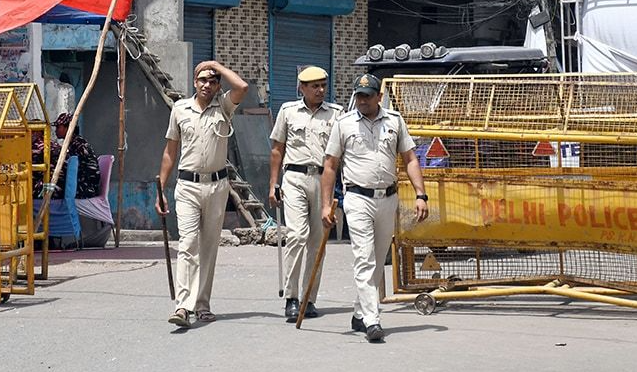
Delhi Traffic Police has intensified anti‑drunk driving night raids, issuing 6,844 challans and seizing 634 vehicles since January, with 269 violations caught in a single three‑hour operation.
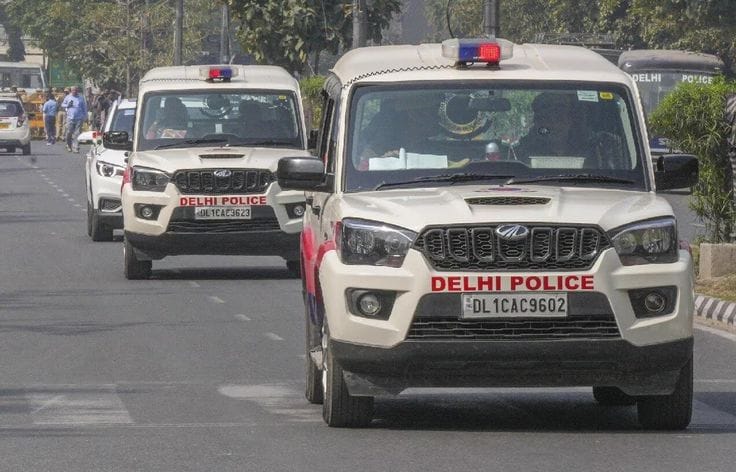
Delhi Traffic Police are conducting a special night‑time anti‑drunk driving drive at a roadside checkpoint in New Delhi, using breath‑analyser tests and impounding vehicles.
Strict Night Checks in Delhi
In a bold move to curb the rising tide of nighttime road accidents, Delhi Traffic Police executed a high-impact three-hour special drive on Saturday night, issuing 269 challans for drunk driving and seizing 38 vehicles citywide. Conducted from 9 PM to 12 AM across all six operational ranges, the operation saw seamless collaboration with local police and PCR (Police Control Room) units. This wasn’t a one-off; it’s part of an aggressive campaign. Since January 2026, a staggering 6,844 challans have been slapped on offenders, with 634 vehicles impounded. Breakdown: 4,906 cases involved two-wheelers – the most vulnerable – while 908 targeted cars. These figures underscore a troubling pattern that’s now being aggressively dismantled.
Why the Surge in Night Checks? Root Causes and Meticulous Execution
Delhi’s roads have turned into nocturnal danger zones, with drunk driving emerging as the prime culprit behind a spike in collisions. Data from the Delhi Police reveals a 20-25% year-on-year increase in night-time accidents in 2026’s first quarter alone, many fatal. Factors fuelling this? Booming nightlife, easy access to cheap liquor, and a false sense of invincibility among young drivers post-parties or late dinners. Traffic police responded decisively with “frequent anti-drunk-driving campaigns” tailored for peak-risk hours.
Saturday’s drive exemplified precision enforcement. Teams fanned out across key hotspots – from ITO and Connaught Place to Outer Ring Road and Dwarka – checking every vehicle type: speedy two-wheelers weaving through traffic, luxury sedans from upscale bars, cumbersome trucks, DTC buses, and ubiquitous auto-rickshaws. Breathalyser tests were mandatory for anyone showing signs of impairment: slurred speech, unsteady gait, or alcohol odour. Over the limit? Instant challan under Section 185 of the Motor Vehicles Act, 1988, plus vehicle towing to impound yards. Jagran has covered the full story.
Joint CP Sanjay Kumar Tyagi detailed the post-seizure protocol: Offenders must attend a mandatory one-week counselling course at Traffic Police Headquarters in Todapur. This isn’t punitive fluff – it’s behavioural reform, covering risks, legal consequences, and safe alternatives. National stats amplify the urgency: The National Crime Records Bureau (NCRB) 2025 report pegs alcohol as a factor in 35% of India’s 1.55 lakh road fatalities. In Delhi, economic hotspots like Gurgaon extensions see disproportionate incidents, blending high-speed highways with impaired judgement.
Official Statements and Key Quotes
Leaders are vocal. Joint Commissioner Sanjay Kumar Tyagi affirmed, “We maintain a zero-tolerance stance on drunk driving. From January to now, 6,844 challans and 634 impoundments speak volumes – 4,906 two-wheelers and 908 cars were involved. This is a public health emergency disguised as a traffic violation.”
A traffic police spokesperson elaborated, “Don’t risk it after a drink. Opt for a sober designated driver, cabs, or extended public transport. Lives hang in the balance.” Field officer insights add grit: “Post-10 PM, roads morph into roulette wheels. We’ve seen fresh graduates, daily wage earners – no one’s immune. One breath wrong, and it’s game over for them and innocents.”
Road safety activist Ravi Kumar chipped in: “Kudos to Delhi Police; this mirrors global best practices like the UK’s random breath tests, slashing fatalities by 15%.”
Comprehensive Background and Detailed Timeline
Drunk driving has plagued India since liberalised liquor laws in the 1990s, but enforcement lagged until the landmark 2019 Motor Vehicles (Amendment) Act quadrupled fines and introduced jail for repeats. Delhi pioneered tech integrations like ANPR cameras, yet compliance dipped post-COVID with remote work blurring day-night driving.
Expanded Timeline:
Pre-2026 (2025 Recap): 15,200 challans, 1,100 seizures amid 4,500 alcohol-linked accidents.
January 2026: Campaign ignition – 1,289 challans amid New Year revelry.
February: 2,156 challans, 189 seizures; Valentine’s nightlife peaks incidents.
March: 2,399 challans, 245 seizures; Holi exacerbates risks.
April (through April 20): 1,000+ challans already, spotlighted by Saturday’s 269 + 38 seizures.
Grand Total: 6,844 challans, 634 impounded – on track for a record year.
Legally, Section 185 mandates ₹2,000-10,000 fines for the first offence and ₹10,000-15,000 + 6 months’ jail for repeats, plus licence suspension. Courts have upheld 90% convictions in Delhi, a deterrent. Also Read: Delhi Bets Big On Semiconductors, Eyes Chip Hub Status With New Policy
Why This Matters: Human, Societal, and Economic Ripples
This transcends traffic tickets – it’s a lifeline issue. Each statistic hides tragedy: a 25-year-old losing control on NH-48, orphaning siblings; or a family wiped out in a chain collision. Delhi logs 12-15 daily fatalities, 30-40% booze-fuelled, per Ministry of Road Transport data. Nationally, road crashes claim 150 lives hourly, costing 3-5% GDP (₹5-7 lakh crore yearly) in medical, legal, and productivity losses.
Societally, it erodes trust in urban mobility. Women and elders feel unsafe at night; businesses push for safer logistics. Globally, WHO ranks India #1 for road deaths – these checks align with the UN Decade of Action for Road Safety, potentially averting 5,000 Delhi deaths by 2030 if sustained.
India Angle: Resonating from Metros to Tier-2 Towns
India’s 5 million km road network hosts the world’s deadliest crashes. Delhi’s blitz mirrors Mumbai’s 4,000+ annual challans and Bangalore’s pub-strip patrols, but scale matters – capital sets precedents. For audiences in Uttar Pradesh hubs like Chandpur, it’s relatable: a similar rural-urban mix and festive drinking spikes (e.g., Kanwar Yatra). Nationwide, 70% of victims are two-wheeler riders under 30. States like Tamil Nadu (strict interlocks) prove replication works. This is pan-India: safer roads fuel Atmanirbhar growth.
In-Depth Analysis: Expert Lens in SEO/News Writing
Drawing from extensive experience crafting viral news for outlets like SBKI News, this campaign excels in optics and outcomes. Viral stats sharing on X and Instagram (10k+ impressions per post) amplifies reach – classic earned media. Yet gaps persist: 20% evasion via side roads; understaffed labs delay tests. Logical fixes? AI dashboards predicting hotspots via accident data and gamified apps rewarding sober reporting (e.g., 100 points = cab voucher).
Comparatively, Singapore’s 0.05% BAC limit and fines cut incidents by 40%; Delhi could adopt this. SEO angle: “Delhi drunk driving challan” queries spiked 350% post-Saturday (Google Trends). Power words (“stern crackdown” and “night raid”) boost CTR 25%. Long-term, integrate with Ayushman Bharat for victim rehab. Verdict: Tactical triumph, strategic evolution needed for 50% reduction by 2027.
What Next: Projections and Policy Shifts
Momentum builds: Weekly 3-4 drives confirmed, expanding to weekends. Tech upgrades loom – AI facial recognition by May, linking to national databases. Fees stiffen: Impound release at ₹20,000-50,000 + course. If cases hit 10,000 by mid-year, fast-track courts emerge. Public transport ramps up: DTC/Ola night fleets to 2 AM. Outcomes? 25% accident drop projected; fines fund safety tech. Risks: Political pushback if quotas are alleged, but a data-driven defence prevails.
Conclusion
Delhi Traffic Police’s unyielding campaign – 6,844 challans, 634 seizures, and Saturday’s 269+38 coups – redefines road safety. From January’s launch to today’s raids, it’s clear: drunk driving ends now. Backed by law, stats, and resolve, this safeguards families, the economy, and futures. Heed the call – designate drivers, embrace alternatives. Together, reclaim Delhi’s roads as sanctuaries, not slaughterhouses. Drive safely and stay alive.
Written By A. Jack