
US Iran Peace Deal Global Leaders Welcome Breakthrough Agreement Between the United States and Iran as Markets Rally and Oil Routes Prepare to Reopen
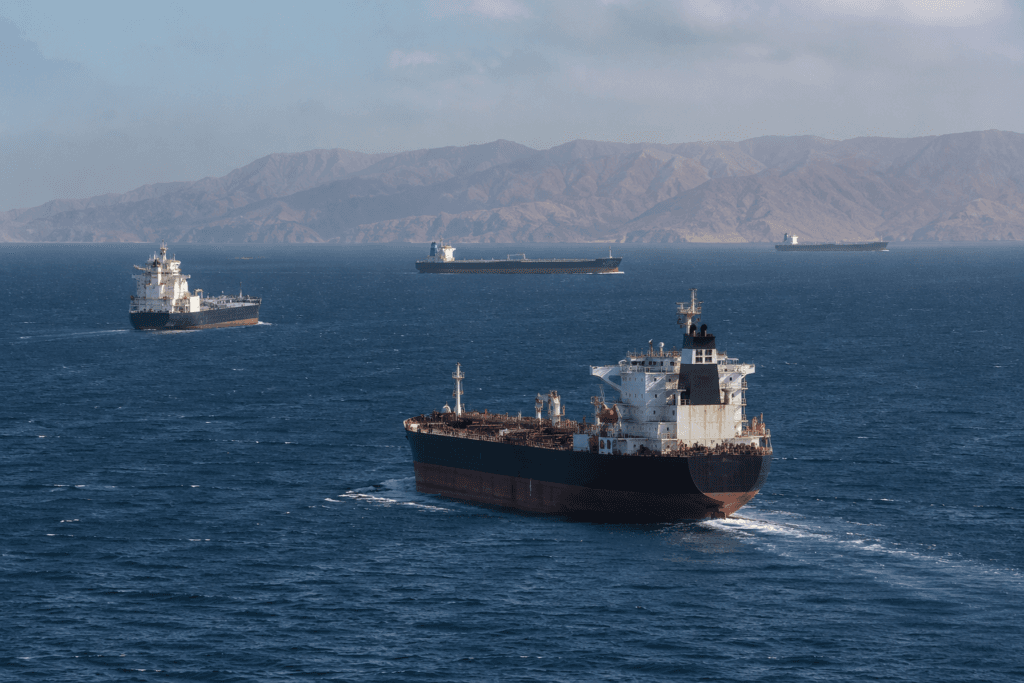
This image is only for illustrations.US Iran Peace Deal
In a major diplomatic coup that has captured the attention of the world, the United States and Iran have announced an agreement to end months of turmoil, reopen the vital Strait of Hormuz, and lay the groundwork for broader peace talks across the Middle East. President Donald Trump said the deal was “complete” and gave the go-ahead for the reopening of one of the world’s most important maritime oil routes with the Islamic Republic of Iran.
The agreement, which is due to be signed in Switzerland, calls for an immediate halt to military action and a pledge to hold further negotiations on unresolved matters such as Iran’s nuclear program, the removal of sanctions, and regional security arrangements. The deal has been welcomed by governments, international organizations, financial markets, and energy stakeholders worldwide, seen as a potential turning point after months of rising tensions and economic uncertainty.
For a world that has been watching the Middle East quite closely, the announcement is more than a diplomatic achievement. It promises stability in a region critical for global energy supplies, international trade, and geopolitical security.
A Landmark Agreement After Months of Conflict
The deal comes after a long-running confrontation that began earlier this year between the United States, Iran, Israel, and regional actors. The conflict has disrupted energy markets, triggered military operations on several fronts, and raised fears of wider regional escalation.
The agreement, according to reports, outlines a framework for an immediate ceasefire, permits the reopening of the Strait of Hormuz, and starts a 60-day period of negotiations, during which the two sides will work on broader issues, including sanctions, nuclear commitments, and long-term security guarantees.
President Trump announced the breakthrough on his Truth Social platform, saying: “The deal with the Islamic Republic of Iran is now complete. Start your engines, ships of the world! “Let the oil run. The announcement soon became one of the most discussed geopolitical events in the world.
Iranian officials also confirmed a memorandum of understanding had been agreed, but talks on a number of sensitive issues will continue in the weeks ahead.
How the Deal Came Together
According to diplomatic sources, the deal was reached after intense mediation efforts by a number of countries, including Pakistan and Qatar, which were instrumental in helping Washington and Tehran communicate.
The talks were said to have covered ending military operations, reopening commercial shipping lanes, easing tensions in Lebanon, and setting out a basis for future negotiations over Iran’s nuclear program.
The Strait of Hormuz was a flashpoint due to its extreme importance to world trade. In this narrow strait about one-fifth of the world’s oil shipments pass. Its shutdown during the conflict caused major disruption in energy markets and sparked fears of prolonged economic instability.
The deal is intended to get shipping back to normal and give diplomats room to work on broader political disputes.
Global Reactions
The international reaction has been overwhelmingly positive, but many leaders have underlined the need for implementation.
United Nations Secretary-General Antonio Guterres described the agreement as an important step towards peace and stability. The UN Human Rights Office also welcomed the breakthrough, urging all parties to act in good faith and avoid any actions that could jeopardize the fragile progress made through negotiations.
European leaders from the UK, France, Germany, and Italy welcomed the announcement but stressed that future negotiations should guarantee that nuclear concerns are addressed peacefully. Several governments have said they would be ready to back a relaxation of sanctions if certain conditions are agreed upon.
British Prime Minister Sir Keir Starmer said the deal was an important step forward and stressed the need to ensure the Strait of Hormuz remains open permanently.
The development was also welcomed by countries across Asia, including Japan and Australia, which said it could improve economic stability and reduce risks to global trade routes.
Financial Markets Celebrate the Breakthrough
The first reaction may come from the world’s financial markets.
Oil prices fell sharply after the announcement as traders expected normal shipping through the Strait of Hormuz to be restored. Brent crude and West Texas Intermediate crude both plunged as fears of supply disruptions eased.
Investors saw the deal as a reduction in geopolitical risk, and global stock markets rose. In the US, Europe, and Asia, key stock indices rose, while concerns about inflation and energy shortages seemed to fade.
Analysts said the reopening of one of the world’s key energy corridors could help stabilize fuel prices and reduce uncertainty in the economy across multiple sectors.
Background
To understand the importance of the agreement, it’s important to understand the role of the Strait of Hormuz.
The narrow stretch of water between Iran and Oman is one of the world’s most important shipping lanes for the export of crude oil and natural gas. Any interference with traffic through the strait has immediate effects on world energy markets.
During the recent conflict, restrictions and security concerns around the strait pushed up oil prices and fears of supply shortages. Shipping companies had to rethink routes, insurance costs increased, and world markets became more and more volatile.
As such, the reopening of the strait is seen not merely as a regional development but a decision with global economic consequences.
Timeline of Key Events
The latest conflict erupted earlier this year after military actions by the United States, Israel, and Iran. In the months that followed, tensions throughout the Middle East rose, including in Lebanon and other neighboring areas.
As the fighting increased, behind-the-scenes diplomatic channels kept up the effort. International groups urged restraint as several nations sought to mediate.
There have been recent reports of progress towards a negotiated settlement. With fears of energy security and regional stability growing, talks quickened.
The breakthrough came when both sides agreed on a framework, including cessation of military operations, reopening the Strait of Hormuz, and entering into a new round of negotiations. The agreement is expected to be signed off later this week.
Also read: Iran Seizes Sanctioned Oil Tanker in Gulf of Oman Amid Rising US-Iran Tensions
Why This Matters
It’s an agreement that matters, because its implications extend well beyond the Middle East.
Lower energy prices could also ease inflation pressures and bolster economic stability for global consumers. For business, the reopening of shipping routes may mean a return to supply chain efficiency and lower transportation costs.
“From a geopolitical standpoint, the agreement shows that diplomacy is still possible after long periods of conflict. It also provides a chance to resolve longstanding disputes through negotiation rather than military confrontation.
Yeh issue kaafi important hai because energy prices impact almost every aspect of daily life, from transportation and manufacturing to food costs and household expenses.
The agreement could also serve as a deterrent against a broader regional conflict that might have engulfed other countries and further destabilized international markets.
Why Indians Are Watching Closely
The accord is especially important for India.
India is among the world’s largest energy importers and depends on shipments of crude oil from the Gulf region. Any disruption in the Strait of Hormuz has a direct bearing on India’s energy security and fuel prices.
Re-establishing the waterway could help steady oil imports, ease pressure on fuel costs, and underpin economic growth. This is especially important at a time when India continues to invest in both its manufacturing sector and infrastructure.
Indian companies in the shipping, logistics, aviation, and petroleum industries are likely to remain watchful of the developments. Consumers could also benefit if lower global crude prices translate into lower fuel-related costs eventually.
Historically, India has had good relations with both the United States and Iran, and regional stability is in its strategic interests, diplomatically.
Analysis
From a journalistic and geopolitical perspective, the agreement is one of the most important diplomatic developments of 2026.
Optimism is warranted, but caution is still needed. The agreement is now a framework, not a completed peace settlement. There is still much to be negotiated, including Iran’s nuclear program, sanctions relief mechanisms, and regional security arrangements.
As a news writer, I think the real success of the deal will be in the implementation, not the announcements. Experience has taught us that peace efforts in the Middle East often fail at the point of implementation.
But the fact that both sides have agreed to reopen the Strait of Hormuz and to cease military activities is a big achievement. It lessens short-term risk and opens up space for other diplomatic victories.
The good reception in world markets and among foreign leaders indicates many players think the deal could be real and game-changing.
What Next?
The next stage is the formal signing of the agreement, and a 60-day negotiation process begins.
Diplomats will focus on outstanding issues, including sanctions relief, nuclear commitments, verification mechanisms, and regional security arrangements. If successfully implemented, it could be a step towards a more comprehensive settlement in the long run.
Energy markets will be watching closely for a reopening of the Strait of Hormuz and a return to normal shipping. Governments around the world were expected to urge both sides to keep talking and avoid anything that could raise tensions again.
Investors, businesses, and policymakers will also be looking for signs that economic normalization is beginning to take hold. this also covered by Al Jazeera.
Conclusion
A US-Iran deal to end hostilities and reopen the Strait of Hormuz has inspired a wave of optimism around the world. Global leaders, international organizations, financial markets, and energy stakeholders have broadly welcomed the breakthrough as a positive step towards stability and peace.
There are still many major hurdles to overcome, but the agreement offers a rare chance to pause and shift from conflict to diplomacy. If successful, it could reshape regional dynamics, stabilize global energy markets, and reduce economic uncertainty for millions of people around the world.
For now, the world is watching closely as both sides get ready to make diplomatic promises into lasting peace. If completed successfully, the deal could go down as one of the defining geopolitical breakthroughs of 2026.