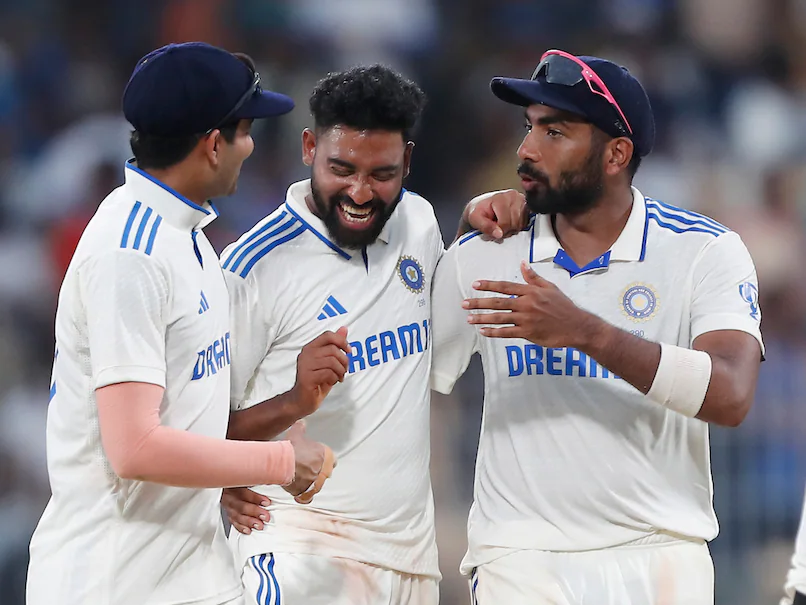
Virat Kohli’s 49 anchors a tricky chase; RCB get past 147 with a late flurry of boundaries at M. Chinnaswamy, handing LSG another batting‑failing night in IPL 2026.
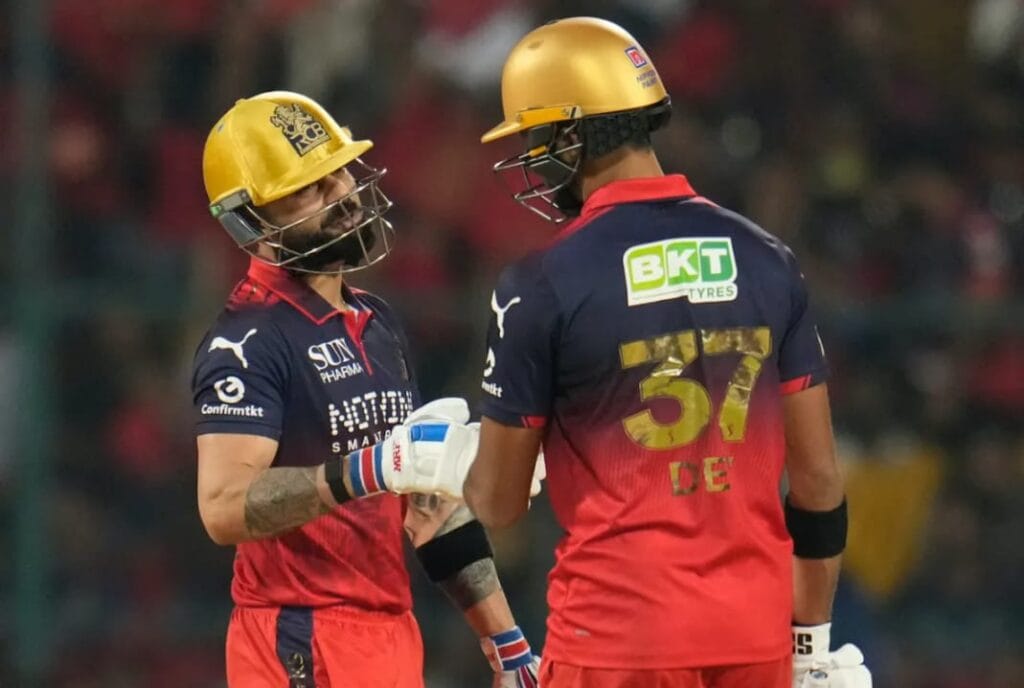
Virat Kohli was in full flow at M. Chinnaswamy, cutting a boundary during his 49‑run knock that helped Royal Challengers Bengaluru chase down 147 against Lucknow Super Giants in IPL 2026.
Introduction
Royal Challengers Bengaluru scripted a tense yet thrilling five‑wicket win over Lucknow Super Giants at the M. Chinnaswamy Stadium in Bengaluru on Wednesday, April 15, 2026. Chasing a modest 147, RCB made it home in the 19th over, leaning heavily on a classy 49 from Virat Kohli, followed by a six‑ball finish crafted by Tim David and Romario Shepherd. The victory felt like a statement: RCB can still chase tight totals even when the middle overs slow down, while LSG went back to the drawing board, having once again failed to convert a par‑score‑ish target into a winning position.
For fans at the Chinnaswamy, it was typical “Kohli‑in‑motion” cricket—calm, clinical, and boundary‑filled—while the LSG camp walked away with more questions than answers about their batting consistency. Yeh match, pehli nazar mein small total jaisa tha, but end mein tournament‑defining‑jaisi pressure lag rahi thi.
How RCB Pulled Off the 147‑Run Chase
Winning the toss and electing to field, RCB first watched as Lucknow Super Giants posted 146/7 in their 20 overs, with their own batting looking scratchy rather than explosive on a pitch that offered just enough to keep bowlers honest. The key RCB bowlers did their job—snuffing out LSG’s flow, keeping the run‑rate under control, and forcing the visitors to crawl through the powerplay rather than zoom through it.
The real story, however, unfolded in the chase. RCB needed exactly 147 to win, and Kohli, opening the batting, set the tone inside the first six overs. The Chinnaswamy deck, slightly slower than raw, invited conventional strokeplay, and Kohli responded with a mix of off‑side drives, on‑side clips, and the odd loft over the infield. His 49 came off just 36 balls, with 6 boundaries and a couple of exquisite sweeps, eating up the bulk of the required total in what felt like the first 10 overs. The crowd roared each time he cut a short‑ball fine or flicked a fuller length straight. SPORTSTAR has covered the full story.
Once the new‑ball and the fresh attack were neutralised, Lucknow’s bowlers got their plan back on track. The field went back, slower balls and cutters did their job, and the scoring rate dipped. RCB, after a brisk start, entered that awkward phase where the required‑run‑rate inched up and the scoreboard showed a deceptive 100‑plus with wickets in hand, yet the match‑situation started to feel tight. Rajat Patidar and Jitesh Sharma tried to wrestle control back, and they did it in style—landing five boundaries in a row in one over, brutally punishing a loose spell from one of LSG’s pacers.
The flurry of six‑plus balls looked like the final nail in the coffin, but LSG’s bowlers responded with a sharp counter‑sally in the next over. Patidar and Sharma both fell in the same over, triggering a brief late‑wobble. The requiring 10 from 12 balls suddenly felt like a mini‑crisis, but the in‑experience‑yet‑self‑believe combo of Tim David and Romario Shepherd stepped up. David, cold‑eyed as ever, found two big sixes, while Shepherd leaked just enough to keep the strike‑rate manageable. The pair combined for the final‑push, and the equation became 4 needed off 4, then 2 off 2, and finally 1 off 1, before the winning runs were milled to the fence, sealing a five‑wicket victory for RCB.
Kohli’s 49: The Core of the Chinnaswamy Chase
While Patidar‑Sharma and the late‑finishing pair made the end‑game look dramatic, it was Kohli’s 49 that laid the foundation. The former Indian skipper didn’t go for forced sixes or wild slog‑sweeps; instead, he anchored the innings with old‑school discipline—rotating the strike, squeezing singles, and punctuating his approach with well‑executed fours when the ball was in the slot. Against the short‑ball, he kept the hands high and open‑chested, guiding the ball fine of the fielders. Against the fuller deliveries, he drove through the line, using the pace to punch through cover and mid‑off.
On a pitch where the ball wasn’t consistently coming onto the bat, Kohli’s ability to time and read lengths stood out. He also knew exactly when to push the field back—accelerating through the 7th to 13th overs, when the bowlers were still in “control mode,” and the fielders had not yet gone deep. That 49‑ball‑by‑ball aggression‑cum‑control mix is what prevented the game from ever slipping out of RCB’s grasp, even during the middle‑overt lull.
For LSG, every time they tried to build pressure—through a tight spell of seam or a well‑drifted slower ball—Kohli undid their plans with a single boundary that reset the dynamic. His strike‑rate hovered around 130–140, which on a 147‑par chase, meant more than half the job was done before the 10th over was done. That’s a classic Kohli signature: not just chasing the score, but dictating the chase.
Background and Timeline: RCB vs LSG in IPL 2026
The 2026 IPL season, now well into its second phase, has seen RCB and LSG test different phases of their team balance. LSG, in earlier matchups, had shown promise with a strong top order, but their middle‑order has repeatedly failed to convert 140–150‑like scores into winning positions. RCB, meanwhile, have relied on their top‑order firepower and Kohli’s consistency, but have also struggled with middle‑over stagnation and finishing‑act lapses.
This contest at the Chinnaswamy added another chapter to that evolving rivalry. The match‑up itself is not new—LSG and RCB have met enough times in previous seasons for both sides to know the other’s strengths and weaknesses—but the venue gave RCB a psychological edge. The M. Chinnaswamy pitch, small in boundaries yet not always a six‑fest, rewards proper technique, and Kohli is at his best in such conditions.
This sequence confirms that RCB’s strength in 2026 still lies in the opening‑to‑top‑order structure, while LSG’s Achilles’ heel remains their inability to push past 140s when the pitch doesn’t specifically assist big hitting.
Why This Match Matters: NRR, Playoffs, and Psyche
For RCB, winning by five wickets against a solid outfit like LSG is not just three points; it’s a morale‑boosting, NRR‑friendly result that keeps them relevant in the playoff conversation. The 147 was a tricky total, and the way the chase unfolded—slow middle, then explosive end—proves that RCB can handle pressure even when the script isn’t perfectly smooth. The win likely lifts their net run‑rate, which in a tight league table can be the difference between 5th and 4th, or 5th and 6th, come the final fixtures.
For LSG, the story is less encouraging. The total of 146, on a pitch where 160–170 could have been “comfortable,” underlines their batting‑frustration. The team has tried various combinations—re‑shuffling the order, bringing in power‑hitters, and even using overseas all‑rounders as finishers—but the consistency that made them title‑challengers in earlier seasons has eluded them. The failure to keep the run‑rate in check during the middle overs and the inability to convert 140s into 170s makes every match a high‑stake fight instead of a controlled, professional display.
From a broader IPL‑2026 perspective, this match is a reminder that small‑total games can be just as decisive as 200+ thrillers. The tournament is shaping up to be a race dominated not by flat‑pitch‑6‑fest chess, but by tight‑target chases, spin‑driven middle‑overs, and smart bowling changes. RCB’s win at the Chinnaswamy fits that mould: it’s a result built on adaptability, not brute force. Also Read: KKR’s Nightmare Continues: CSK Crush Knight Riders by 32 Runs in IPL 2026
Local Angle: Bengaluru, UP, and Hinglish‑Speaking Fans
For Bengaluru, this victory is a home‑crowd delight. The Chinnaswamy, despite its reputation for small boundaries, is also a place where the pressure on bowlers is immense because of the atmosphere. The crowd’s constant “RCB, RCB!” chants and the deafening reaction to every Kohli boundary make the venue feel like a fortress when the team is on the rise. The 5‑wicket win over LSG will be remembered not just for the scoreline but for the way the stadium came alive in the final‑fifteen overs.
For fans in Uttar Pradesh, where LSG enjoy a strong regional fan‑base, the match is a bitter pill. Lucknow‑s park fans, often proud of their team’s balanced squad, will now have to confront the recurring theme: “Why can’t we convert 140s into winning totals?” The Hinglish chatter in Varanasi, Prayagraj, and Mathura will echo: “Kohli ne phir se 40+ banaya, aur humara batting line‑up dobara fail ho gaya.”
For your audience in Delhi, UP, Rajasthan, and Bihar, this game is also a case study in how a “small total” can feel like a big challenge when the chase is well‑paced and pressure‑managed. The ability to chase 147, as RCB did, shows that the mental game—how a team absorbs pressure, how the senior batters handle the middle‑over squeeze—is as important as raw firepower.
Expert Analysis: SEO‑Focused Cricket Writer’s Take
From an SEO and digital‑news‑angle perspective, this match throws up several high‑value themes. “RCB vs LSG IPL 2026 highlights,” “Virat Kohli 49 against Lucknow Super Giants,” “Chinnaswamy chase 147,” and “LSG batting fails again IPL 2026” are all search terms that will spike in the 24–48 hours after the match. The presence of a star knock from Kohli, plus a dramatic five‑wicket victory, makes this story highly shareable on social media and within cricket‑discussion groups.
As a news writer, the key is to balance technical detail with emotional narrative. The 49‑ball‑by‑ball breakdown, the 5‑boundaries‑in‑a‑row over, and the late‑wobble add context, while the narrative of RCB’s NRR‑boost and LSG’s batting‑fears add drama. The SEO‑smart angle is to also highlight what this match tells us about the larger tournament:
These points make the article not just a “match‑report” but a “trend‑analysis” piece, which search engines love and readers share.
What Comes Next: RCB, LSG, and the Playoff Race
For RCB, this win is a confidence boost, but not a free‑pass to the playoffs. The team still has to beat other top‑bottom outfits and improve their NRR further, especially when they face sides likely to post 180+ totals. The form of Kohli, Patidar, and the finishing duo of David and Shepherd will be crucial. If this batting‑line‑up can replicate the 147‑chase‑pattern—control early, push through the middle, then explode at the end—they could become genuine playoff‑dark‑horses.
For LSG, the pressure is rising. The leadership and selection‑committee may need to re‑evaluate:
Whether the current top‑order combination is working, or if a reshuffle is needed.
How to better back their middle‑order, since the 140s keep appearing, but the 170+jumps are missing.
How to utilize their spin and all‑round options more effectively in tight‑total‑games, where the 7th–15th‑over phase decides the match.
The NRR‑tussle in IPL 2026 is turning into a stats‑driven Numbers‑Game, and every match, especially a 147‑run contest, could be a season‑defining line in the points table.
Conclusion: Kohli Anchors, RCB Edge Past LSG in Nerve‑Wrecking Chase
Virat Kohli’s 49, coupled with a five‑boundaries‑in‑a‑row over and a composed final‑push from Tim David and Romario Shepherd, carried Royal Challengers Bengaluru to a five‑wicket victory over Lucknow Super Giants at the M. Chinnaswamy Stadium. The 147‑run chase, which started with a Kohli‑led surge, slowed in the middle, and then exploded at the end, showed RCB can handle pressure‑tight targets even when the script is not perfectly smooth.
For LSG, the match exposed the same old issue—batting‑fragility in small‑total games—despite a seemingly par‑score on a decent pitch. For Bengaluru fans, the victory was Chinnaswamy‑style magic: passion, purpose, and a classic Kohli knock that turned a “tight chase” into a “controlled win.”
In the broader IPL‑2026 narrative, this match underlines that the real differentiators won’t just be 200‑plus totals; they’ll be the teams that can calmly chase down 140–150s under pressure. And tonight, RCB proved they can do exactly that, while LSG were left once again asking, “Kab tak yeh batting‑falter trend chalega?”
Written by A. Jack