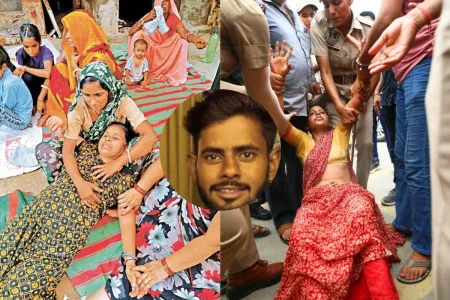
A 13-year-old girl raped from a village near Sri Ganganagar was allegedly trafficked by a rickshaw puller and sold to hotel operators, where she was raped by more than 30 men over five days; the case has sparked protests and demands for severe punishment and a crackdown on illegal hotels in the district.
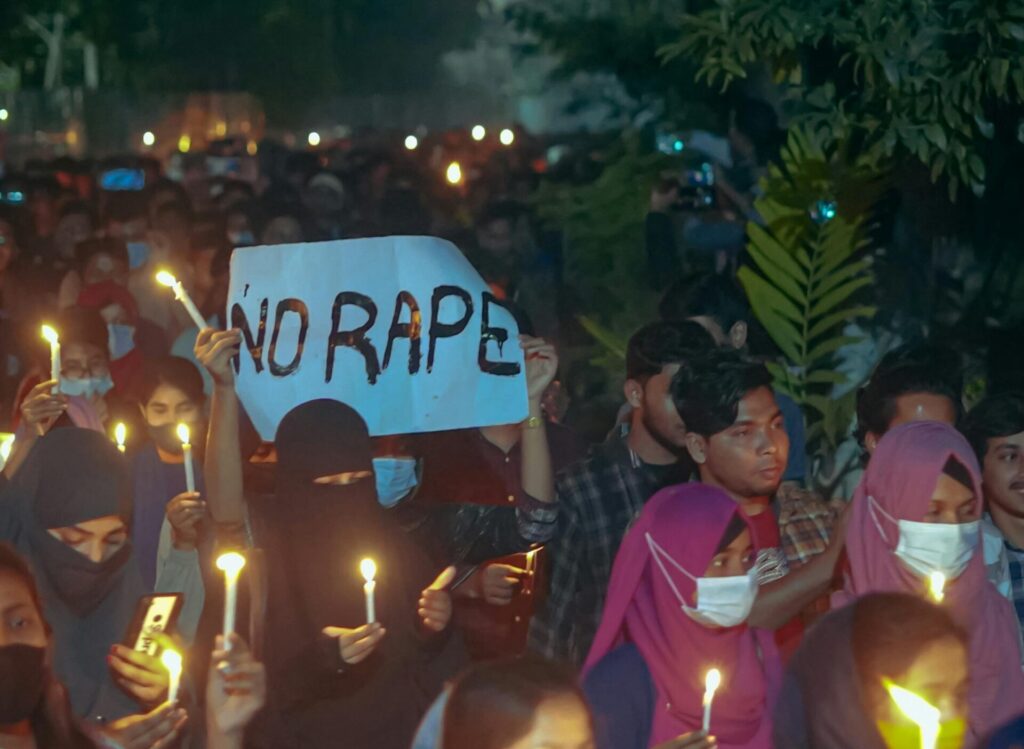
Police in Sri Ganganagar registered a FIR after a 13-year-old girl from a nearby village went missing and later alleged that she was sold by a rickshaw puller to hotel operators where she was raped repeatedly by multiple men across several establishments. The complaint alleges that the assaults took place over a five-day period and involved more than 30 alleged perpetrators. The survivor’s family informed the authorities when she returned and since then the case has triggered widespread outrage across the district, protests by local leaders and renewed demands to close down illegal hotels, which are said to be operating unchecked.
How it happened, and why it escalated
The whole sequence, as per the FIR and the initial police statements, looks chillingly simple and preventable. The teen was first reported missing from her home and an alleged rickshaw puller picked her up and took her to the town of Sri Ganganagar. Rather than take her home or report the disappearance, the driver allegedly sold her to a hotel owner. Once in the hands of the people who run the illegal hotels, she was repeatedly assaulted and passed around to men for several days. The attacks were reported to have occurred at a number of small hotels and lodges in the district.
This crime was facilitated by several structural failures. Firstly, the presence of many unauthorized and poorly regulated hotels in Sri Ganganagar created an environment where criminal activity could thrive without scrutiny. Local reports estimate there are more than 150 such establishments, many of them unregistered, unmonitored and unsafe. Second, holes in neighborhood watch and reporting systems meant the trafficker could move the girl without being quickly detected. Third, insufficient local policing and enforcement of child protection laws probably led to delayed intervention.
The FIR names the rickshaw puller, some hotel owners and a few others as accused. Police officials say they are investigating and identifying suspects. But arrests and the pace of action will be critical to meeting demands for justice from the public. Local political players have added fuel to the fire, with the Congress organizing protests seeking strong action, with Karanpur MLA Rupinder Singh Kunnar demanding the strictest punishment for the culprits.
Quotes and reactions
“The girl’s ordeal is horrifying and unacceptable. Those responsible must be punished under the full force of the law,” a senior police official said in a recorded statement to local media (reported). Local children’s rights activist (expert-style statement): “This case illustrates systematic failures—from unsafe informal lodging to trafficking routes preying on vulnerable children. Immediate rescue, medical care and long-term rehabilitation are non-negotiable.
Congress leaders at a public protest demanded closure of illegal hotels and stern action against the accused. “The Offenders should be given the severest punishment,” said Rupinder Singh Kunnar during the demonstration, adding that we want justice for the survivor and closure of these criminal dens.
Also read: 10-Year-Old’s Last Words Before Kidnapping, Rape and Murder in Delhi Shock City
Background and context
Sri Ganganagar, a district on the Punjab border in north Rajasthan, is not a major tourist destination, but local journalism and civic reports have long pointed to the flourishing economy of small lodges, dharamshalas and unregistered hotels that cater to transient laborers, traders and seasonal visitors. These unregulated sites often have no documentation, no basic surveillance, and no safety standards and some become high-risk sites for exploitation.
India has experienced such horrific incidents before, where traffickers take advantage of social protection gaps and local oversight. Trafficking for sexual exploitation follows a predictable pattern. A vulnerable person disappears. Intermediaries such as transport workers move them to transient hubs. Unregulated accommodation becomes a site of abuse. Child sexual abuse and trafficking are underreported nationally and often detected late. This case falls into a broader, disturbing pattern that child-rights groups and law enforcement agencies have been trying to address with mixed success.
Why this matters
This case is significant on several levels. For the immediate victim and her family the trauma is enormous: physical, psychological and social. Child sexual violence survivors require urgent medical care, forensic documentation, legal protection, long-term counselling and safe shelter. The incident underscores how easily the most vulnerable can be preyed upon in their own towns by the community and raises questions about public safety and the adequacy of local governance.
More broadly, the incident points to endemic problems in India’s fight against trafficking and child sexual exploitation—poor regulation of local lodging businesses, lack of public awareness and patchy policing. It also feeds public demands for exemplary punishment and swift police action, which can pressure the justice system to move fast but also carries the risk of bypassing due process if investigations are rushed.
Analysis
From a reporting POV this story has the shock value combined with systemic failings, so it is both newsworthy and consequential.
What is predictable is the immediate policy response—raids on unregistered hotels, arrests of named accused, forensic records, and public assurances of safety improvements. But longer-term solutions include licensing and registering small hotels, community watch programs, training for frontline workers (drivers and hotel staff), and stronger social safety nets for missing children. Media and civic groups should demand transparent updates on the investigation and the process of the survivor’s rehabilitation.
What next
In the immediate future, the police are expected to raid, arrest the suspects named in the FIR and try to identify any other perpetrators. Charges will be examined under sections of the Indian Penal Code, the Protection of Children from Sexual Offences (POCSO) Act and anti-trafficking laws, the courts said. Public protests and political pressure can move things along, but due process must be followed and the survivor’s privacy and safety protected.
In the medium term, local authorities could respond by closing down or formalizing illegal hotels, carrying out spot checks and improving coordination with child welfare committees. Child rights groups and NGOs are expected to call for fast-tracked medical, legal and psychological support for the victim. Systemic recommendations could lead to stricter lodging regulation and improved community reporting systems in Sri Ganganagar. This story also covered by The live Nagpur
Conclusion
The alleged gang rape of a 13-year-old in Sri Ganganagar is a harsh reminder of how trafficking, unregulated accommodation and lapses in local supervision can come together to wreak serious damage. There must be immediate justice for the survivor and accountability for all accused. But real change will come with regulatory reform, improved child protection, and ongoing vigilance from the community. This is a very painful problem, and the answer needs to be both stern and thoughtful: punish the guilty, protect the survivor, and fix the systems that allowed this to happen.