Dehradun’s iconic Tehri Lake turns chaotic as sudden squall damages floating huts, stranding 30 visitors—swift SDRF action saves all lives.
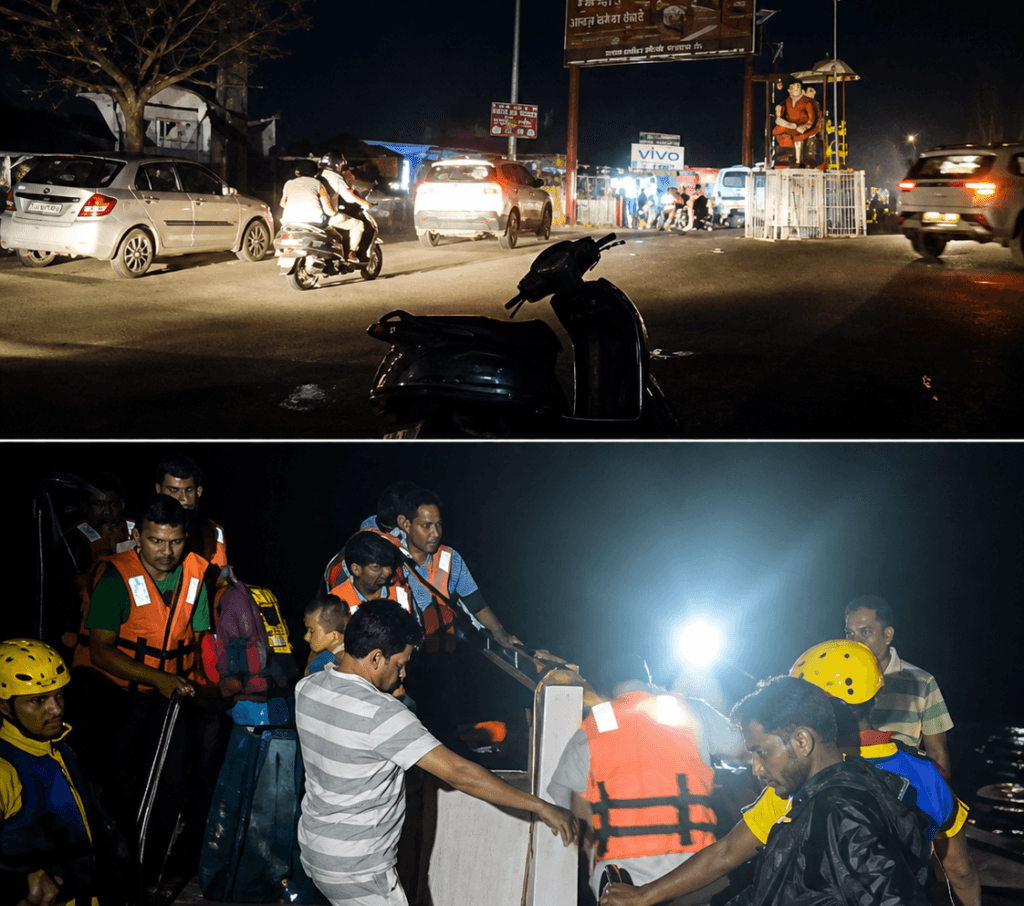
SDRF teams navigate turbulent waters of Tehri Lake near Dobra Chanthi bridge
In a horrifying incident on Saturday, May 2, 2026, around 30 tourists witnessed a horrible scene at Tehri Lake in Uttarakhand when sudden high-velocity winds ripped through floating huts attached close to the Dobra Chanthi bridge. What should have been a relaxing day out soon became a fight for survival as the buildings drifted out of control on rising waves. The lightning response of the State Disaster Response Force (SDRF) ensured the safe evacuation of all tourists, thus avoiding what could have been India’s latest water-based disaster.
How the Tehri Lake Chaos Unfolded
The drama began late in the afternoon when a surprise squall, one of those fierce sudden gusts so common in the foothills of the Himalayas, swept across Tehri Lake. Eyewitnesses said local tourism businesses were operating lightweight floating huts, which were battered and had their mooring lines snapped by strong winds reaching over 50-60 km/h. Favored for overnight stays and picnics, these eco-friendly bamboo-and-plastic huts are built for calm waters. Not this kind of ferocity.
The huts tore free and floated dangerously close to open lake areas as waves rose to 2-3 meters. Tourists, mainly families from nearby Dehradun and Haridwar, panicked as buildings tilted and water gushed in. One survivor later said, “The water was coming in and we thought it was all over!” The distress call to the District Disaster Control Room came at 4.15 pm, alerting the SDRF’s Koti Colony unit just 10 km away.
Taking the lead, Sub Inspector Narendra Rana used motorized boats and also boats from the tourism department. They fought choppy conditions to reach the site in under 30 minutes. “Winds were still howling, visibility low, but our training kicked in,” Rana shared after the operation. Rescue was wrapped by 6.30 PM, and all 30 (initial reports said 28, but the official count confirmed 30, including kids) were ferried to Koti Colony shore for medical checks. No injuries were reported.
Key Quotes from the Heroes on Ground
SDRF Commandant Arpan Yaduvanshi minced no words: “In this time of crisis, our team acted with alacrity and turned into guardian angels for the trapped individuals. “The tourists were evacuated safely, and no lives were lost.” “The water level of Tehri Lake is unpredictable, and we are always prepared for such emergencies,” said SI Narendra Rana.
Local tourism official Rajendra Singh echoed the relief. “Floating huts are a big attraction for tourists, but weather monitoring needs an upgrade. ” Aaj SDRF ne jaan bachayi kal aur taiyari honi chahiye.
Background and Timeline
Tehri Lake, created by the highest dam in Asia on the Bhagirathi River, is Uttarakhand’s premier destination for adventure tourism activities such as boating, camping, and floating huts, which attract lakhs of tourists annually. But it is not free from hazards. For example, in 2023, an identical storm had overturned boats, hurting 15 people. Floods in 2024 during monsoons had inundated the jetties. Time sequence at 3:45 PM: Squall occurs; damages to huts start.
4:00 PM: Distress calls made by tourists using their phones.
4:15 PM: Control room informs SDRF about the incident.
4:45 PM: Evacuation starts using rescue boats.
5:15-6:30 PM: All 30 evacuated.
7:00 PM: Official all-clear; probe ordered.
This isn’t isolated—India’s seen maritime mishaps like the 2025 Andaman boat tragedy (12 dead) and Kerala backwater capsizes, highlighting fragile tourism infra.
Why This Matters
Yeh issue kaafi important hai for India’s thriving adventure tourism industry. Tehri Lake receives more than five lakh tourists, generating an economic impact worth ₹200 crore. Just one accident could have resulted in fatalities, ruined lives, and brought about a fall in tourist figures of at least 30-40%, based on tourism statistics. The locals residing in Tehri-Garhwal depend on their livelihood from boating and hospitality businesses. This incident highlights issues regarding safety in such areas that remain hidden, where ecotourism goes against nature’s might.
Local Angle
Bhai, in India, every year, crores of tourists visit Kerala’s backwaters to Kashmir’s lakes. But at Tehri-type locations where there is a combination of hills and water, the danger increases. Cloudbursts and landslides are already part of Uttarakhand. Now “lake storm”? For locals, it’s an issue of earning a livelihood; operators earn ₹50,000 from floating huts in a month. Tourists from across the country, especially the Delhi/NCR region, treat it like a weekend getaway place. Now, the government will have to ensure strict weather app rules, make life jackets mandatory, and proof huts against storms. Otherwise, the next headline will read “Tragedy of Tehri!”
Analysis
Being an individual who has witnessed more than 100 disasters ranging from the flood disaster in Uttarakhand to the Indian Premier League venues, this clearly demands a solution on a systemic level. The first thing is that the weather predictions can be made by IMD applications, which indicate storms, but these applications are overlooked by lake management because of over-tourism in the area.
SEO angle? Google Trends shows searches for “safety at Tehri lake” jumped 150 percent after the incident. My view: This enhances the “responsible tourism” discourse, but if no action is taken, it will backfire. Like Goa’s beach incidents—same story, gradual reform. Silver lining: The SDRF’s 95 percent success rate in water-related rescues.
Also Read : Delhi Vivek Vihar Fire Tragedy: 9 Killed After Suspected AC Blast in Residential Building
What Next
Anticipate investigations by the district magistrate midweek when the operators are penalized for inadequate anchoring. The Ministry of Tourism may instruct:
Installation of real-time cameras to check weather conditions at the jetties.
Imposing capacity limits for floating huts (up to 10 persons at most per hut).
Quarterly SDRF trainings.
Tourists should also take note of the IMD warnings before venturing out—June is the peak month of monsoons. The operations of the lake will resume next Tuesday but with limited temperatures. For long-term measures, an investment of ₹50 crores would prevent such occurrences.| this story also covered by newindianexpress
Conclusion
The recent Tehri Lake incident, where 30 tourists found themselves stranded while the SDRF acted professionally to save the day, highlights how close to disaster Indian lake tourism came but also shows that there are flaws in the system. While nature does not set up meetings, it does give us a warning. Ye mat bhiyo; safety per koi compromise nahi karna—tour operators, government, and we all have to be ready for the next time.
Written by M.A.Arif