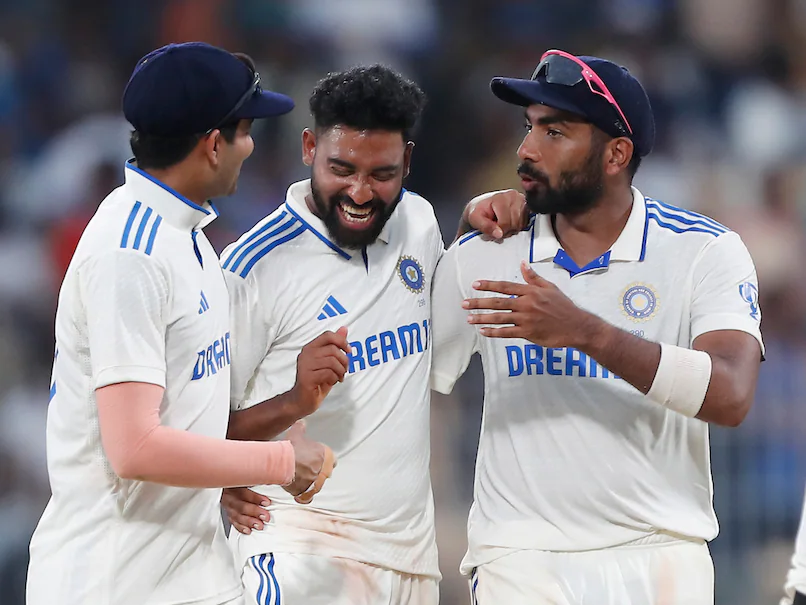
Stokes had told his team-mates before Day 4 that this would be his last international appearance. What followed was pure theatrics—a standing ovation, a first ball strike and a long hug from his England teammates.
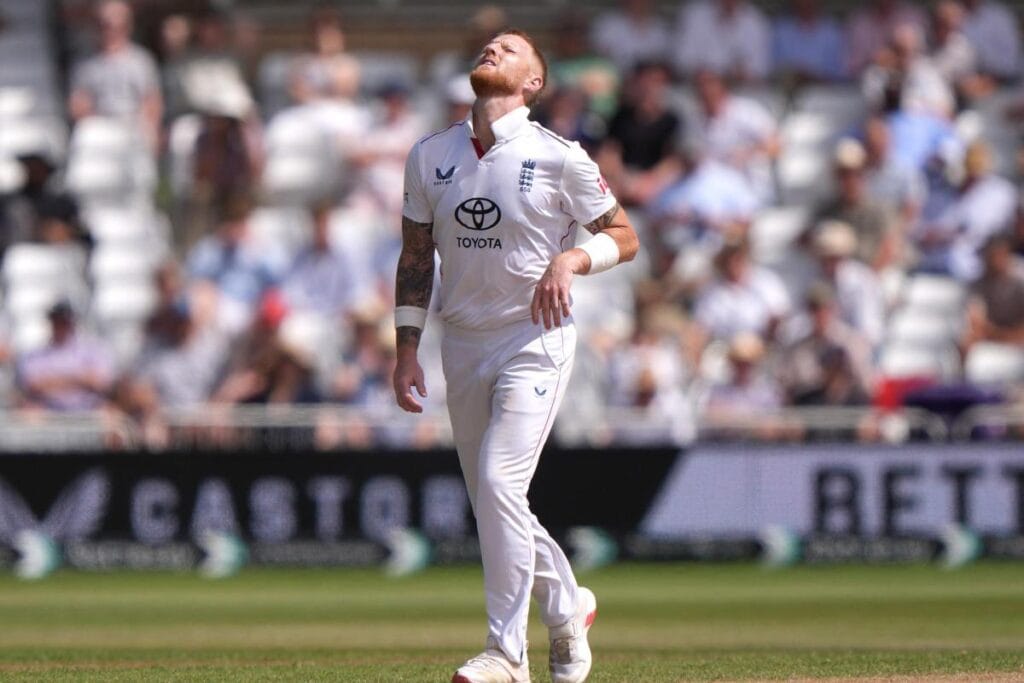
England captain Ben Stokes. Image Credit: Gazette
Ben Stokes Retirement: Announcement on Sunday brought a wave of emotion to Trent Bridge as the England Test captain confirmed that the ongoing third Test against New Zealand would be his final international appearance. The 35-year-old told his teammates before the start of Day 4, and news of the decision quickly spread through the ground, prompting a standing ovation from the crowd. Then came the moment that made the farewell feel almost scripted: Stokes took the ball and struck immediately, dismissing Zakary Foulkes on the first delivery after the announcement.
The sequence was striking not just because Stokes left the international stage on his own terms but also because he did it while still influencing the match. That is what made the moment so powerful. It was not a quiet exit or a ceremonial goodbye. It was a statement from a cricketer who has built his career on intensity, resilience and decisive moments. Yeh scene kaafi emotional tha because it mixed gratitude, drama and sporting excellence in one unforgettable passage of play.
How the Moment Unfolded
Stokes informed his teammates before the start of Day 4 that he was stepping away from international cricket. The announcement was not leaked beforehand in any major public way, which made the stadium reaction even more intense once it became known. Fans rose to their feet and gave him a standing ovation, recognizing both the weight of the news and the significance of his contribution to England cricket. NDTV Sports has covered the full story.
Then, in the 81st over, Stokes bowled the first ball after the announcement and took the wicket of Zakary Foulkes. The New Zealand batter edged it to the slip, where Harry Brook completed a sharp catch. The timing gave the moment almost cinematic quality: applause, farewell, then a wicket. England teammates rushed in to celebrate with their captain, and the emotional tone of the day shifted from shock to tribute.
That wicket mattered because it showed that even at the point of retirement, Stokes remained a match-defining presence. He was not simply being honored for a past career. He was still contributing in real time. That combination is rare and one reason the moment felt bigger than a standard retirement announcement.
Why Stokes’ Exit Feels So Significant
Stokes has long been one of the most influential figures in English cricket because of his ability to change matches with bat, ball and leadership. Retirements are often emotional, but this one carries added significance because Stokes was still actively captaining England in a major Test series. He was not leaving as a passenger; he was leaving while still central to the team’s direction.
The emotional impact is also amplified by the timing. He had only just returned to the side after missing the second Test following an off-field incident outside a Chelsea nightclub involving England fast bowler Gus Atkinson after the opening Test. That incident led to separate ECB and cricket regulator investigations. Although both players were cleared of serious wrongdoing, they did receive written warnings, and selectors left them out of the second Test, asking them to represent their county sides instead. Both returned to county cricket before being recalled for the decisive third Test.
That backdrop matters because it shows the week had already been turbulent for Stokes. His retirement announcement capped a period of scrutiny, return and immediate impact. In many ways, the wicket and the ovation gave the day a sense of closure.
Background and Context
Stokes has been one of the defining cricketers of the modern era for England. His reputation was built on key performances in major moments, and he became a symbol of England’s competitive identity. While the details of his full career are not part of this specific match story, the emotional response at Trent Bridge reflected the broader respect he commands.
The New Zealand Test also had major series implications. Stokes made an immediate on-field impact after his return, taking four wickets in New Zealand’s first innings and scoring 15 in England’s reply. He added two more wickets in the second innings as New Zealand declared at 288 for 9, setting England a target of 373 to win the match and secure the series. That means the retirement news did not come in isolation; it came inside a live and high-stakes contest.
The fact that Stokes was still delivering with both bat and ball underlines why his retirement from international cricket feels so abrupt to many fans. He was still performing at a level that could influence a test result. That is one reason why the announcement hit so hard.
Timeline
After the opening Test: An off-field incident outside a Chelsea nightclub involving Gus Atkinson and Ben Stokes triggers investigations.
ECB and Cricket Regulator review: Both players are cleared of serious issues but receive written warnings.
Second Test: Stokes and Atkinson are left out and sent back to county cricket.
Return to the squad: Both are recalled midway through county matches for the third Test at Trent Bridge.
Day 4, before play: Stokes tells teammates that the ongoing Test will be his last international match.
Crowd reaction: Trent Bridge rises for a standing ovation once the announcement spreads.
81st over: Stokes takes his first ball after the announcement and dismisses Zakary Foulkes.
After the wicket: England teammates embrace their captain in an emotional celebration.
Also Read: Kane Williamson Shockingly Retires From International Cricket
Why This Matters
This matters because retirement announcements from elite players are not just personal decisions; they shape team identity, fan memory and the emotional tone of an entire sport. Stokes has been a major figure in England cricket for years, so his exit will inevitably trigger a transition period. Yeh issue kaafi important hai because when a leader like Stokes steps away, the team has to adjust both tactically and emotionally.
It also matters because this was not a normal farewell. The way the announcement unfolded at Trent Bridge turned it into a public cricketing moment that fans will remember for a long time. A player getting a standing ovation and then taking a wicket on the very next ball is the kind of sporting script people usually only dream about.
For the wider cricket industry, this also raises the question of succession. England will now need to think not just about who replaces Stokes as captain but also about who fills the broader space he leaves behind as a leader, all-rounder and pressure player. That is a difficult gap to close.
India Angle
For Indian cricket fans, Stokes’ retirement will be especially interesting because he has been such a visible figure in international cricket battles over the years. He has often been part of series that Indian audiences have followed closely, and his all-round style is something many fans respect. In Hinglish, seedhi baat yeh hai: Stokes jaise players har generation mein nahi aate.
Indian readers can also relate to the emotional power of a farewell done in real time. In cricket, legends are often remembered not only for numbers but also for big moments under pressure. Stokes has had a career full of those, and that is why his exit feels like the end of an era.
There is also a lesson here for Indian cricket about leadership continuity. Teams need to plan for life after major captains and match-winners, because the void they leave is never just about statistics. It is about mindset, presence and the ability to shift a match with one spell or one inning.
Analysis
My view is that the most striking part of this story is the immediacy of the symbolism. Stokes did not announce his departure and then drift through the innings. He announced it, received applause and then took a wicket. That is the sort of sequence that turns a retirement into a defining cricket memory.
The broader sporting significance is that Stokes leaves behind not just performances but a style of leadership. England will need to replace a player who changes dressing room energy as much as he changes scorelines. That is much harder than replacing raw numbers.
The timing of the announcement also gives the story extra depth. Coming after a week of off-field scrutiny, missed selection, county cricket return and recall, the farewell feels like the final page of a difficult but dramatic chapter. From a storytelling perspective, that makes it one of the most compelling cricket stories of the week.
What Next
The immediate next step is the final phase of the Test and whatever role Stokes plays before his international exit becomes official in a full match context. England will also begin the longer process of adjusting to a future without him in the national setup.
There will likely be tributes, analysis and debate over who takes over leadership responsibilities and how England reshapes its Test identity. Fans will also revisit his biggest moments and compare his influence with England’s greats.
For the match itself, England still had a target of 373 to chase, so the sporting result remained very much alive. But whatever happens on the scoreboard, Stokes’ retirement has already become the emotional headline of the series.
Conclusion
Ben Stokes’ retirement announcement turned Day 4 at Trent Bridge into one of the most memorable scenes in recent Test cricket. The England captain informed teammates that this would be his final international appearance; the crowd responded with a standing ovation, and then he produced a wicket on his very next ball. It was a farewell filled with emotion, timing and competitive fire—everything that has defined his career. England now enters a new phase, but Stokes leaves the international stage with one final reminder of why he has been such a unique force in the game.
Written By A. Jack