Canada has updated its visa processing timelines for temporary residents, bringing good news for families applying for Super Visas while increasing waiting periods for study permit applicants. The latest changes could significantly impact thousands of Indian students and travellers planning to visit or move to Canada.
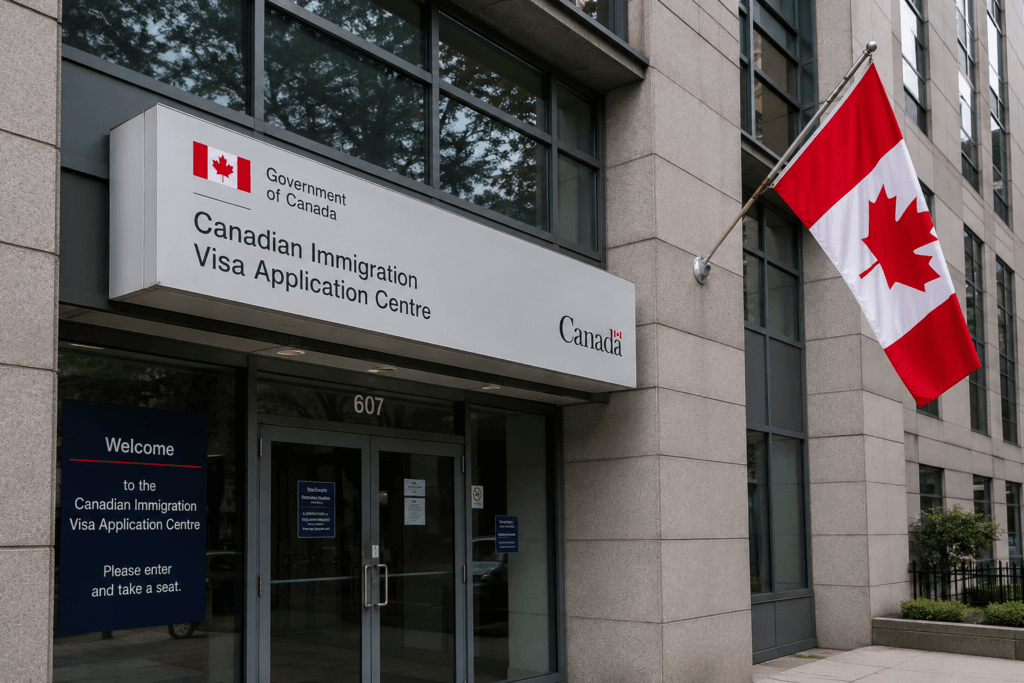
Canada has announced major changes to the processing times for temporary resident canada visas for applicants from India that will impact thousands of prospective visitors, students and families. Recent estimates of immigration processing data suggest that applications under the Super Visa category are now being processed at a much faster rate than before, whereas study permit processing has slowed down considerably.
The update comes as Canada deals with the challenge of growing demand for immigration with administrative problems. The revised timelines could impact education plans, family reunions and travel schedules for Indian nationals, one of the largest groups of international students and temporary visitors to Canada.
The shift comes at an especially crucial time as India continues to be Canada’s top source of international students and one of its biggest temporary resident contributors. Therefore, even small changes in the visa processing times affect thousands of Indian families every month.
What Has Changed in Canada’s Visa Processing?
The latest numbers from Canadian immigration officials are in and they tell a mixed story for applicants.
The processing of Super Visa applications has seen one of the biggest improvements. These visas, for parents and grandparents of Canadian citizens or permanent residents, are now being approved far more quickly than they used to be. For families looking to reunite with loved ones, now there may be less waiting around, making travel planning easier.
But it’s a different story for international students. Processing times for study permits have increased and students who intend to start their study sessions in Canada may need to apply much earlier than expected.
Processing times for visitor visas and work permits still vary depending on the volume of applications, the profile of the applicant and the documentation submitted.
Immigration officials have not announced any major policy change behind these revised timelines, but experts believe the updates are reflective of changing application volumes, resource allocation and efforts to prioritize certain visa categories.
Why Canada Updated Its Visa Timelines
Visa processing times are estimates and are updated regularly due to a variety of operational factors.
In the past few years, Canada has seen a constant demand for temporary residence visas. Since international travel reopened after the pandemic, immigration authorities have been flooded with a record number of applications from around the world, notably from India.
The Canadian government has also been changing its immigration priorities to better manage its workload. The quicker processing of Super Visas also seems to align with Canada’s broader aim to promote family reunification, which is an important part of its immigration policy.
At the same time, international student applications are facing increasing scrutiny amid recent policy changes aimed at tackling housing shortages, educational quality and the rapid growth of private institutions.
Immigration experts say processing times should not be treated as firm deadlines. These are average estimates based on current application volumes and current operational capacity.
Also read: Europe heatwave turns deadly as France records 1,000 excess deaths as extreme temperatures grip the continent.
Effect on Indian Students
With the new timelines, early planning has become more important than ever before for Indian students.
For their higher education, India’s students still opt for Canada, thanks to its globally recognized universities, job opportunities post-studies and pathways to permanent residency.
But slower processing of study permits means that students who procrastinate on submitting their applications may risk missing admission deadlines or scheduled academic sessions.
Education consultants are advising students to prepare documentation in advance, including admission letters, proof of financial support, language proficiency results and biometric appointments.
Applicants should also regularly check official immigration updates as processing estimates are subject to change without notice.
Yeh issue, especially for students, is kaafi important as even a small delay can affect university enrollment, accommodation bookings, travel arrangements, etc.
Good News for Families of Super Visa Applicants
The new processing timelines come as a welcome change for Indian families separated by international borders.
Canada’s Super Visa programme allows parents and grandparents of Canadian citizens and permanent residents to stay in Canada for long periods without the hassle of multiple applications for visitor visas.
The improved process of approval is anticipated to benefit thousands of Indian families with children who have settled in Canada over the last ten years.
Canada’s immigration policy has always been family reunification and faster processing of Super Visas is consistent with this long-term direction.
The shorter wait time could lead to more eligible families applying under this category, say immigration professionals.
Expert Views on the Latest Changes
Immigration experts suggest applicants should avoid relying solely on historical timelines while planning international travel or education.
According to immigration consultants, applicants must understand that visa processing depends not only on government capacity but also on the completeness of submitted documents, verification procedures, and background checks.
Experts also recommend submitting applications well before intended travel dates instead of waiting until the last moment.
As one immigration advisor explained, “Processing timelines are estimates, not guarantees. Applicants who prepare accurate documentation and apply early generally reduce the risk of unnecessary delays.”
Education specialists have similarly advised students to remain flexible with travel plans and maintain regular communication with their universities regarding reporting deadlines.
Background
Canada has been one of the top destinations in the world for skilled workers, international students and temporary visitors.
In the past few years the country has introduced several immigration reforms to address labor shortages, demographic challenges and economic growth.
India has long been one of the largest source countries for Canada’s immigration system. Every year hundreds of thousands of Indians apply for study permits, work permits, visitor visas and permanent residency programs.
But recently Canada has announced measures to slow the rapid growth of temporary residents, especially international students. These policy changes have affected the visa processing priorities in different categories.
Diplomatic tensions between India and Canada in 2023 affected visa operations but both countries have slowly restored many immigration services and applications are now being processed normally.
Timeline of Recent Developments
After the reopening of global travel post-COVID-19 restrictions, Canada saw record-breaking demand for immigration. Universities returning to full in-person classes saw a spike in applications from Indian students.
Over the past year, the Canadian government has brought in tougher rules for international student applications, including capping some study permits and carrying out more checks.
These changes are ongoing and have led to the latest update on visa processing times, with family-based applications being processed more quickly and educational applications taking longer to process.
Why This Matters
“Canada continues to be one of the most preferred destinations for Indians for education, employment, tourism and family reunification,” the statement said.
Delays in study permits could mean delayed academic sessions, extra accommodation costs and uncertainty about travel plans for students.
Faster Super Visa approvals provide much-needed relief for families so parents and grandparents can spend more time with relatives living abroad.
Travel agencies, universities, immigration consultants and employers are likely to also be planning around the revised timelines.
“Speed of processing is critical in today’s global mobility landscape as it impacts money planning, career growth and education goals.
The India Angle
India’s connection with the Canadian immigration system is stronger than ever.
Thousands of Indian students choose Canadian colleges every year for internationally recognized education, multicultural communities and favorable post-graduation employment opportunities.
The large Indian diaspora living in cities like Toronto, Vancouver, Calgary and Brampton also sponsors parents and grandparents under the Super Visa programme.
So this update is very relevant for the Indian audience. Students need to apply much sooner, and families planning reunions can be cautiously optimistic about reduced wait times.
The updated timelines further highlight the need to keep abreast of information from official immigration sources, rather than relying on outdated estimates circulating on social media.
Analysis
From an SEO and digital journalism standpoint, these revised visa timelines are more than just administrative updates.
They show how Canada’s immigration priorities continue to evolve to meet changing economic, educational and demographic needs.
Faster Super Visa approvals reflect the emphasis Canada is placing on improving family reunification, while slower study permit approvals suggest more scrutiny of educational migration.
For Indian applicants, the biggest takeaway is simple—preparation is more important than ever.
Submitting all documentation early is likely to make the process smoother than for applicants who wait until the university deadlines are approaching.
Meanwhile, the government needs to be transparent about future processing estimates so applicants can make informed choices.
What Happens Next?
Immigration specialists expect processing times to fluctuate throughout the year, depending on seasonal demand and government workload.
Applicants are advised to regularly check official Canadian immigration updates before applying or making travel plans.
Universities can also motivate international students to complete admissions and visa formalities earlier so as to reduce disruptions caused by delays in processing.
Further tweaking of processing estimates could be made in coming months if application volumes stay high.
Conclusion
Canada’s new visa processing timelines present opportunities and challenges for Indian travelers. The quicker Super Visa approvals are a welcome relief for families hoping to reunite with loved ones, while the long processing of study permits is a reminder that international students need to start preparing much earlier.
Though these revised timelines are estimates, not promises, they do illustrate the importance of careful planning, thorough documentation, and staying current via official immigration channels. Indian students, visitors and families will all need to be aware of these changes to help ensure a smoother travel and immigration experience in the months ahead. this information is also read here