Protesters say they are “not scared” of police batons or tear gas after Monday’s brutal crackdown left dozens injured and at least one on a ventilator. The movement now includes students, professionals and families camping out at Jantar Mantar.
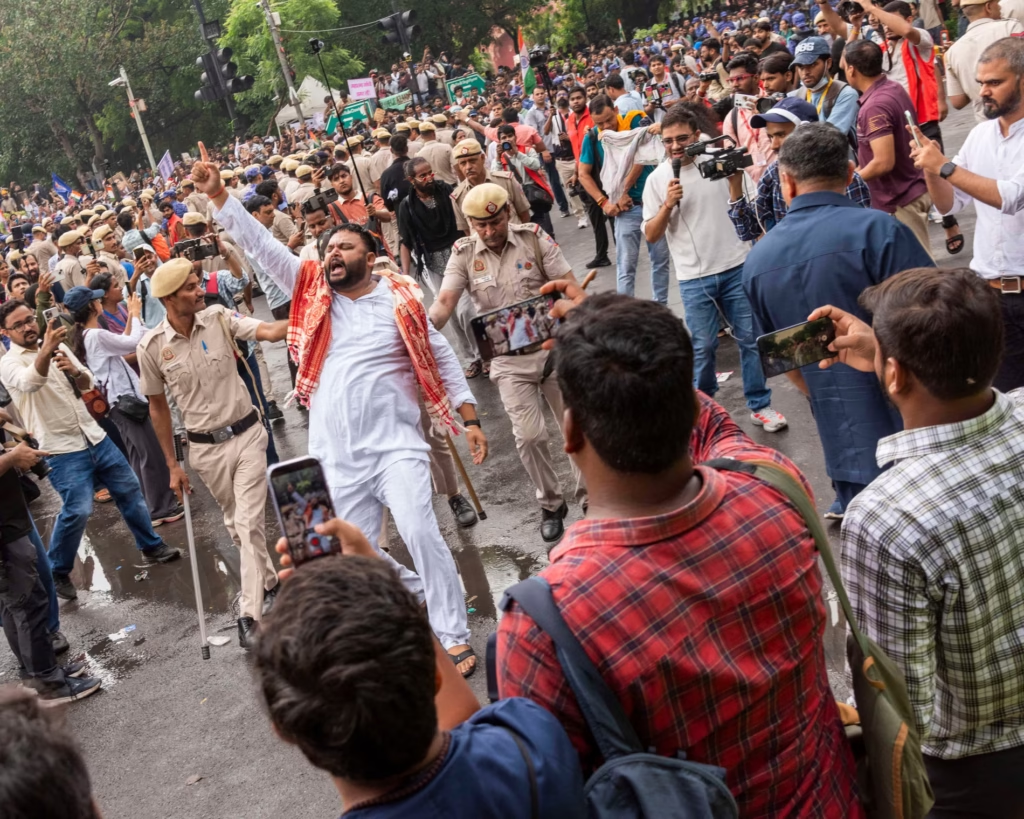
Young protesters gather at Jantar Mantar in Delhi, some carrying helmets and posters, as the Cockroach movement continues despite police violence. Image Credit: The Guardian
CJP Protest: India’s youth-led Cockroach movement showed no sign of backing down on Tuesday as thousands of people returned to central Delhi to protest against the government’s handling of education reforms and police violence. The demonstrations, which began peacefully on Monday with more than 50,000 people taking to the streets, turned violent in the afternoon when Delhi Police used batons and tear gas to disperse the crowd.
Despite the crackdown, protesters returned in large numbers to Jantar Mantar, the historical protest site that has become the focal point of the movement over the past month. Many carried helmets, posters and water bottles, prepared for another day of confrontation. “We are not scared of them and we won’t run away, no matter what they do,” said Taru, a 25-year-old protester who stood among her friends with a bicycle helmet in one hand and an anti-government poster in the other. Yeh issue kaafi important hai because it shows how a student-led protest has evolved into a broader political challenge to the government.
What Happened on the Streets
The protest began on Monday as a peaceful gathering of mostly young people in their late teens and early 20s, mobilised by the Cockroach Janta Party (CJP). The crowd was diverse, with people fanning each other in the humidity, sharing snacks and chanting slogans against the government. Their main demand was the resignation of Education Minister Dharmendra Pradhan and reform of what they described as a corrupt and broken education system.
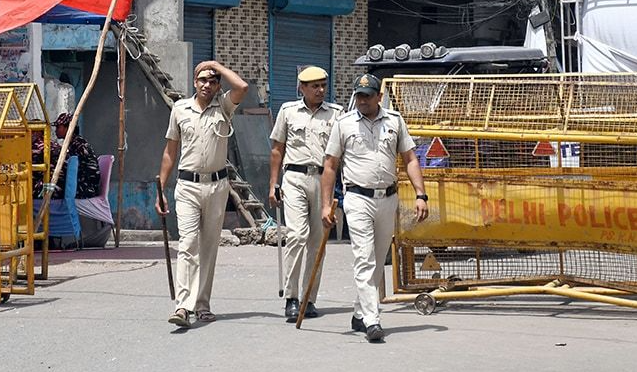
But the mood changed dramatically after 3 pm. Delhi Police denied the protesters permission to march toward Parliament and kettled the crowd into a restricted area. Barricades were erected across the capital, the internet was shut down and police began using batons and tear gas. Protesters and witnesses claimed the police carried out unprovoked attacks, including against women and children in the crowd. About 60 protesters were injured, and at least one is on a ventilator in hospital intensive care. This story was also covered by The Guardian.
“The day was so wholesome to start with, there was so much love,” said Taru. “But after 3pm the police started attacking us. They were bashing us like anything. I saw them come up and hit people on the head as they were sitting down on the pavement doing nothing. And then as we were running, they opened up teargas on us.”
Why the Protesters Are Not Backing Down
The heavy-handed police response has only strengthened the protesters’ resolve. Taru described the police action as a “big mistake” that has left the crowd “more agitated than ever”. On Tuesday, Jantar Mantar was again thick with demonstrators shouting slogans against the Modi government and calling for both the education minister and the prime minister to resign.
Some protesters had travelled hundreds of miles to be there and said they intended to camp out until the government responded. “The government needs to understand: we are not going anywhere,” said Ranjit Verma, 23. The movement has also attracted support from India’s main opposition Congress party, which held its own protest in Delhi on Tuesday calling for Modi to resign “for destroying the future of India’s youth”.
The protest’s growth beyond students to include professionals and families has given it broader legitimacy. “The solidarity on the streets yesterday filled my heart,” said Kuhoo Kaushik, 26, a content creator from Delhi. “How the government responded was really sad, police beating up 14-year-olds is horrible. But personally, I feel like it’s really awoken something in me. That’s why I’ve come back today: we won’t be moved until the government listens to us.”
Also Read: Mobile Internet Shutdown in Central Delhi Delays Protest Visuals as Crackdown Unfolds
Background and Context
The Cockroach Janta Party began as a satirical online movement and quickly grew into one of the most visible youth-led protests in recent years. The movement originated after public anger over remarks made by a Supreme Court judge, which supporters interpreted as a demeaning comment about unemployed youth. The group adopted the cockroach symbol as a badge of resilience and used it to express frustration over exam leaks, unemployment and a lack of political accountability.
The protest gained momentum over the past month as activists camped at Jantar Mantar, refusing to leave until the government responded to their demands. The movement has also been fuelled by repeated leaks of crucial entrance exams for medical schools and government positions, which have incited public outrage. Environmental activist Sonam Wangchuk joined the movement and began a hunger strike, demanding the resignation of the education minister.
This background is important because it shows how a satirical online campaign turned into a national political issue. The movement now sits at the intersection of education reform, youth anger and opposition politics. That is why the protest has such high visibility. It is not just a routine sit-in; it is a direct political confrontation over the future of India’s youth.
Timeline
May 2026: The Cockroach Janta Party (CJP) emerges as a satirical online movement after a Supreme Court judge’s remarks about youth.
June 6, 2026: First major protest at Jantar Mantar in New Delhi demanding the resignation of Education Minister Dharmendra Pradhan.
June 2026: The movement grows into street protests calling for education reform and the resignation of Pradhan.
Recent weekend: Activist Sonam Wangchuk is forcibly taken to a hospital during his hunger strike, angering supporters.
Monday, July 20: More than 50,000 people march toward Parliament; police use tear gas and batons, injuring dozens.
Tuesday, July 21: Thousands return to Jantar Mantar, vowing to continue the protest until demands are met.
Also Read: Rahul Gandhi Detained Outside PM’s Residence as Student-Led Protests Grow
Why This Matters
This matters because it connects student anger, opposition politics and state power in a single high-stakes confrontation. The Cockroach protests have already become one of the most significant public challenges to the Modi government in recent years. When thousands of young people return to the streets after police violence, it sends a strong message that the movement is not going away.
It also matters because the protest is not just about one political party. It has grown to include a broad coalition of students, professionals and families who feel the education system is failing them. That kind of mobilisation is powerful because it is not limited to one state or one region. It reflects a broader national frustration that can shape public opinion and influence future elections.
For young people, the protest is about dignity and the future. When they see police using force against their peers, they feel personally attacked. That is why the images of injured students and detained opposition leaders are so emotionally charged. Yeh bhi important hai because it shows how quickly a protest can become a national movement when the right symbols and stories align.
India Angle
For Indian readers, this story touches on several core issues: education, youth unemployment, government accountability and the right to protest. In Hinglish, seedhi baat yeh hai: jab students apne future ke liye sadkon par utar aate hain aur opposition support karta hai, toh politics ka poora game badal jata hai.
The protest also speaks to the ongoing tension between the government and the opposition. The images of police detaining protesters right outside the prime minister’s home are powerful and will likely circulate widely. That balance will shape how the public responds.
For families across India, the issue is personal. Many have children or relatives who are studying for competitive exams or facing job uncertainty. That makes the protest relatable and emotionally powerful. It is not just about one city or one day; it is about the future of millions of young people.
Analysis
My opinion is that the protest’s growth beyond students to include professionals and families is a key development. When a movement becomes more inclusive, it gains legitimacy and staying power. That makes it harder for the government to dismiss as a temporary student outburst. The protest now has multiple layers: education reform, youth dignity and political accountability.
I also think the heavy police response may have backfired. The images of police beating peaceful protesters, including women and children, have created a wave of public sympathy. That sympathy has energised the movement and given it a sense of moral high ground. The government’s silence on the issue has only added to the perception that it is not listening.
From an editorial perspective, this is a strong story because it has a clear central event, emotional resonance and broader political context. It is not just about one protest; it is about what that protest represents in India’s democratic landscape. The challenge is to explain the story in a way that is both factual and accessible to readers who want to understand the big picture.
What Next
The next step will depend on how the government responds to the protest and whether the opposition uses the detention as a rallying point for further action. If the government continues to take a hard line, the protest may intensify. If it opens a dialogue, the movement may shift toward negotiation.
There may also be more protests in other cities as the Cockroach movement continues to grow. The combination of student anger and opposition support could create a sustained campaign that keeps the issue in the public eye. That means the government will face continued pressure to address the demands around education reform and accountability.
For now, the situation remains fluid. The protest has gained momentum, and the political stakes are high. The next few days will likely determine whether this becomes a short-term confrontation or a longer-term movement.
Conclusion
India’s Cockroach movement has shown no sign of backing down after Monday’s police crackdown, with thousands returning to the streets of Delhi on Tuesday to demand education reform and government accountability. The protest, which began as a student-led movement, has now grown to include professionals and families, making it one of the most significant public challenges to the Modi government in recent years.
With images of police violence circulating widely and the opposition joining the call for the prime minister’s resignation, the protest has become a powerful political symbol. Whether it leads to policy changes or a broader political shift will depend on the government’s response and the movement’s ability to sustain its momentum.
Written By A. Jack