Hooda’s remarks come at a politically sensitive moment, with the education ministry’s leadership change seen as a response to student anger. He also called for a transparent examination system that eliminates the possibility of future paper leaks.
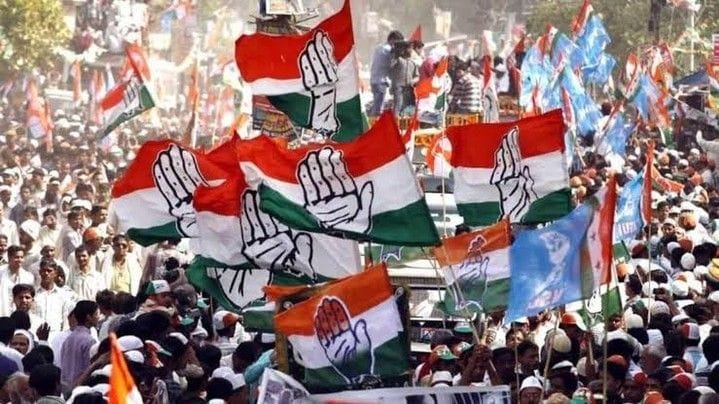
This image is only for illustrations.
Former Haryana Chief Minister and Leader of the Opposition Bhupinder Singh Hooda has sharpened the Congress party’s attack on the BJP-led central government after Dharmendra Pradhan’s resignation as Education Minister. Speaking on the issue, Hooda said Congress would now demand full accountability in Parliament over paper leaks, police action against protesters and the wider failures in India’s examination system.
His remarks come at a time when the paper leak controversy has already led to major political consequences, including a ministerial resignation and sustained pressure from student groups. For Congress, the issue is no longer just about one resignation. It is about forcing the government to answer for the crisis in public and on the floor of Parliament.
What Hooda Said
Hooda said the government must “apologise to the youth, the country’s future, whom it subjected to lathi-charges and brutality.” He also stressed that the examination system must be made so transparent that future paper leaks become impossible. This story was also covered by The Hindu.
That statement does two things at once. First, it keeps the pressure on the ruling party by framing the controversy as a moral failure, not merely an administrative lapse. Second, it turns the debate toward structural reform, which is something opposition parties often do when they want to move a story beyond immediate outrage.
Hooda’s language was deliberately strong. By referring to students as the “country’s future,” he connected the issue to a larger national concern rather than a narrow political dispute. That kind of wording resonates strongly in India because exam fairness is closely tied to merit, mobility and social trust.
Why Congress Is Escalating the Issue
Congress is likely seeing this resignation as an opening to broaden the attack on the BJP. A minister’s exit may satisfy the immediate demand of protesters, but the opposition can still argue that the real issue is systemic failure. That means the party can keep pushing for a parliamentary debate, official explanations and stricter reforms.
The timing matters too. With the protests having already gained national visibility, Congress is trying to position itself on the side of students and families who feel the system failed them. In simple Hinglish, baat seedhi hai: opposition chahti hai ki yeh issue sirf resignation tak limited na rahe, balki accountability tak jaye.
Hooda’s statement also reflects a wider political strategy. If the government can be forced to explain what went wrong, who approved the response and what reform is being planned, the opposition gains both moral and political ground. That is why he emphasised Parliament as the next battleground.
Background and Context
The controversy around paper leaks has been building for weeks, especially after protests over alleged exam irregularities intensified in Delhi and across the country. Student groups demanded action, and public anger eventually pushed the government into a corner. Dharmendra Pradhan’s resignation became the clearest sign that the pressure had reached the highest levels of the government.
The resignation itself was framed by Pradhan as a move to prevent anti-national forces from taking advantage of the situation, and to keep students from getting entangled in legal complications. However, opposition parties such as Congress have seized on the episode to argue that the government was forced to respond only after significant damage had already been done.
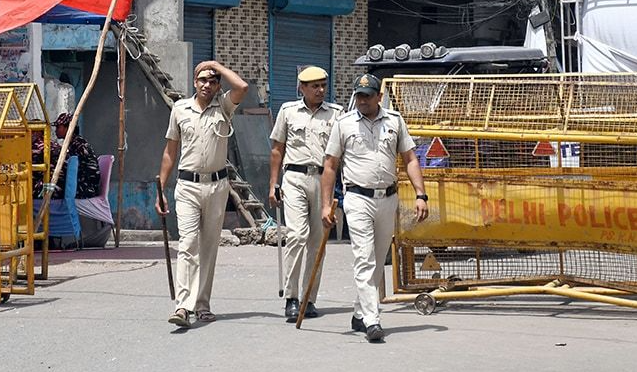
Protests were not just symbolic. Reports of lathi-charges and heavy-handed police action made the issue more emotionally charged. Once students are seen as having been physically confronted while raising concerns about the fairness of exams, the story shifts from policy debate to public outrage. That shift is exactly what Congress is trying to exploit in Parliament.
Timeline
Weeks before Pradhan’s resignation: Student protests intensify over alleged paper leaks and examination irregularities.
During the protests: Reports emerge of police action, including lathi-charges and use of force against demonstrators.
Dharmendra Pradhan resigns: The Education Minister steps down amid growing national pressure.
After the resignation: Bhupinder Singh Hooda says Congress will demand accountability in Parliament.
Next stage: The opposition is expected to push for a transparent debate on exam reforms and student protection.
Also Read: Pralhad Joshi Appointed Education Minister After Dharmendra Pradhan’s Exit
Why This Matters
This matters because exam integrity is not a small administrative issue in India. Competitive examinations affect millions of families, and even one serious leak can damage trust across an entire system. If students believe their hard work can be undone by corruption or negligence, the impact goes far beyond a single test cycle.
It also matters because the government’s response to protest shapes public confidence in democracy. When students are reportedly lathi-charged while demanding fairness, the issue becomes about both governance and civil rights. Yeh issue kaafi important hai because it touches education, trust and the way the state treats youth dissent.
For Congress, this is also a chance to frame itself as the voice of accountability. If the party succeeds in forcing a detailed parliamentary discussion, it can keep pressure on the BJP long after the immediate protest wave has passed. That could influence the political narrative around education well into the coming months.
India Angle
For Indian readers, this story matters because almost every family understands the anxiety around competitive exams. Whether it is NEET, other national entrance tests or state-level recruitment papers, exam fairness is personal for millions of households. In simple Hinglish, agar paper leak ho gaya toh mehnat, paisa aur sapne sab par effect padta hai.
That is why Hooda’s remarks will likely resonate beyond party lines. Even people who do not follow day-to-day politics may agree that the examination system needs more transparency and stronger safeguards. The Congress is clearly betting that this emotional issue will cut through the noise in Parliament and in public debate.
The Indian angle is also political. In India, education is not only about jobs; it is about social mobility, prestige and family hope. When a controversy around papers turns into a national scandal, it automatically becomes a story about how the country treats its young citizens.
Analysis
My view as a news writer is that Hooda is making a smart political move by shifting the debate from resignation to accountability. A resignation can close a chapter, but a parliamentary demand keeps the issue alive and forces the government to answer hard questions. That is good politics and strong news framing.
It is also notable that he tied together two themes: student suffering and exam transparency. That combination is powerful because it allows Congress to speak both emotionally and institutionally. Emotion gets attention, but institutional critique gives the message staying power.
What Next
The next step is likely a more aggressive Congress push in Parliament, where the party can ask who is responsible for the leaks, how the government responded and what new safeguards will be introduced. If the BJP tries to move on quickly, opposition parties may use the issue to demand a structured debate.
The government, on the other hand, will likely try to present the resignation as evidence that accountability has been accepted and the matter is being addressed. That may reduce immediate pressure, but it will not automatically silence criticism. The real test will be whether reforms are announced and implemented.
Public attention may also shift toward whether the examination system is actually being made more secure. If nothing changes on the ground, Congress and student groups will have more room to argue that the resignation was only a political fix.
Conclusion
Bhupinder Singh Hooda’s statement has turned Dharmendra Pradhan’s resignation into the beginning, not the end, of a political battle over paper leaks. By saying Congress will demand accountability in Parliament, he is signalling that the opposition intends to keep the pressure on the BJP-led government.
The core issue remains unchanged: students want a transparent, fair and trustworthy examination system. The resignation may satisfy one demand, but the deeper questions about leaks, police action and accountability are still very much alive. In that sense, this issue is far from over.
Written By A. Jack