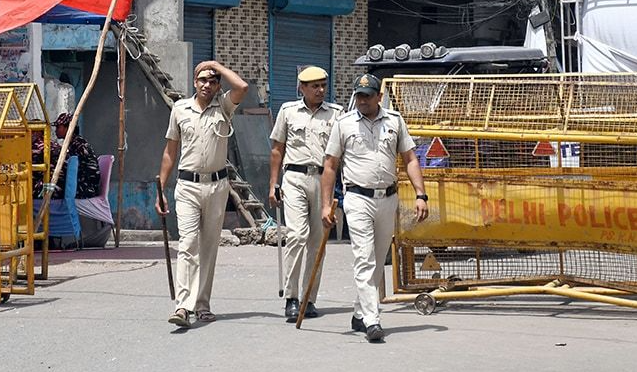
Air India flight AI2379 from Phuket to Delhi hit mid-air turbulence, causing minor injuries to 12 people; airline says no serious injuries and all passengers disembarked safely after precautionary medical checks.
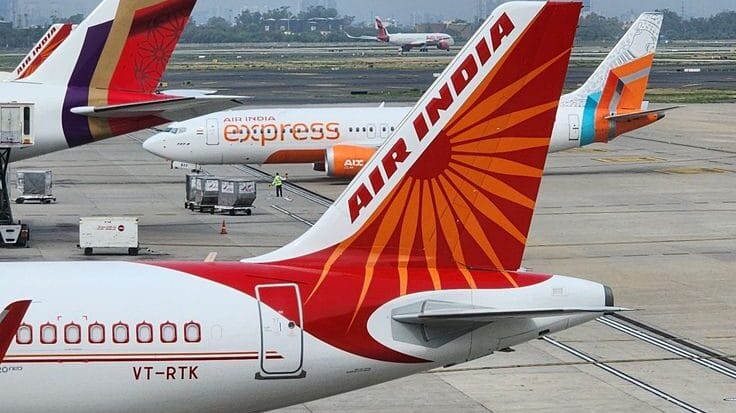
This Image is only for illustrations.
Travellers on an Air India flight from Phuket to Delhi faced a frightening experience on Tuesday when the aircraft hit sudden turbulence mid-air, leading to minor injuries to 12 passengers and crew. Flight AI2379, which was en route to the national capital, experienced what the airline described as a “brief in-flight turbulence-related event” during the cruise, causing a momentary change in altitude.
The aircraft landed safely in Delhi, and all passengers and crew disembarked without incident. However, visuals from the airport showed ambulances stationed outside the terminal gate, with several passengers seen being assisted out in wheelchairs, while others appeared with bandages on their heads before being taken for medical evaluation. Air India confirmed that a small number of passengers and crew members with minor injuries requiring medical assessment were taken to a medical facility at the airport for precautionary examination and care.
Why and how the turbulence incident happened
According to Air India, flight AI2379 experienced a “brief in-flight turbulence-related event” while en route to Delhi. Turbulence of this nature is typically caused by sudden changes in air currents, which can occur due to weather systems, jet streams, or clear-air turbulence that is not always detectable on radar.
When turbulence hits, passengers and crew who are not seated with seatbelts fastened can be thrown from their seats or against cabin fixtures, leading to injuries such as bruises, sprains, or head knocks. In this case, the airline stated that there have been no serious injuries as of now, and the 12 injured individuals were given precautionary medical checks at the airport. This story was also covered by The Rediff.
The aircraft landed safely in Delhi and all passengers and crew disembarked without incident, suggesting that the pilots were able to manage the situation effectively and bring the plane down without further complications.
Yeh issue kaafi important hai because turbulence-related injuries, while often minor, highlight the importance of following crew instructions and keeping seatbelts fastened during flight.
Statements from Air India and officials
In a statement, an Air India spokesperson said flight AI2379 experienced a “brief in-flight turbulence-related event” while en route to Delhi. “Air India confirms that flight AI2379, operating from Phuket to Delhi on 4 August, experienced a brief in-flight turbulence-related event during the cruise, resulting in a momentary change in altitude,” the airline said.
The airline added that the aircraft landed safely in Delhi and all passengers and crew disembarked without incident. “There have been no serious injuries as of now. A small number of passengers and crew members with minor injuries requiring medical assessment have been taken to a medical facility at the airport for precautionary examination and care by Air India’s airport team and medical personnel,” the spokesperson added.
The airline’s wording—emphasising “no serious injuries” and “precautionary examination”—is designed to reassure the public while acknowledging that some people did require medical attention.
Background and context
In-flight turbulence is a common occurrence in commercial aviation, but severe episodes that cause injuries are less frequent. Most turbulence-related incidents result in minor injuries, particularly when passengers are seated with seatbelts on. However, when turbulence strikes unexpectedly, even seated passengers can be jolted, and those moving around the cabin—such as crew serving meals or passengers using the restroom—are at higher risk.
Air India, India’s flag carrier, operates a wide network of international flights, including popular leisure routes like Phuket-Delhi. The Phuket route is especially busy with Indian tourists, and any incident on this sector tends to draw significant attention.
Globally, airlines and regulators have been emphasising the importance of keeping seatbelts fastened whenever seated, even when the seatbelt sign is off, due to the risk of clear-air turbulence that can occur without warning.
Timeline
Tuesday, 4 August: Air India flight AI2379 departs Phuket for Delhi with passengers and crew on board.
During cruise: Aircraft encounters brief turbulence, leading to a momentary change in altitude.
Post-landing, Delhi: Ambulances stationed outside the terminal; 12 passengers and crew with minor injuries taken for medical evaluation.
Same day: Air India issues a statement confirming a turbulence event, a safe landing and no serious injuries.
Also Read: Delhi’s Golden Line Metro Could Lift Home Prices and Rents Across South Delhi
Why This Matters
This matters because air travel safety is a top concern for passengers, especially on international routes where families and tourists are involved. Even when injuries are minor, incidents like this can shake confidence and lead to anxiety among frequent flyers.
It also matters for airlines and regulators. Turbulence-related injuries, while often preventable with stricter seatbelt compliance, still occur regularly. Each incident reinforces the need for better passenger education, improved forecasting of turbulence zones and consistent enforcement of safety protocols by cabin crew.
For the 12 injured individuals, the impact ranges from physical discomfort to potential psychological effects, such as fear of flying in the future. In simple Hinglish, jab hawa mein jhatka lagta hai, toh logon ka bharosa hil jaata hai.
India angle
For Indian readers, this story is directly relevant because Air India is the national carrier, and the Phuket-Delhi route is heavily used by Indian tourists, families and business travellers. Any incident in this sector is closely followed by travellers planning similar trips.
The India angle also includes the broader aviation safety context. India’s Directorate General of Civil Aviation (DGCA) monitors airline safety and incident reporting. If turbulence-related injuries become a pattern, regulators may issue advisories or require airlines to enhance crew training and passenger briefings.
There is also the medical angle. Indian airports are equipped to handle in-flight medical emergencies, but the efficiency of response can vary. The fact that ambulances were ready and passengers were quickly assessed reflects well on Delhi airport’s preparedness.
Analysis
My opinion is that while the airline’s statement is reassuring, the incident will still generate questions about why the turbulence was not anticipated and whether more could have been done to prevent injuries.
I also think the visual of ambulances and bandaged passengers will have a stronger emotional impact than the official statement, which is common in aviation incidents. The key for Air India will be to communicate transparently without causing unnecessary alarm.
What Next
The immediate next step will be for Air India to complete its internal review of the incident, including an analysis of weather data, pilot reports and cabin crew actions. The airline may also coordinate with meteorological agencies to understand whether the turbulence was forecasted or unexpected.
Passengers with minor injuries will likely receive follow-up care, and some may file insurance claims or seek compensation depending on their travel policies. The airline may also review its passenger briefing protocols to emphasise seatbelt use more strongly.
Longer term, if turbulence incidents increase globally due to changing weather patterns, airlines may need to invest in better detection technology and crew training to minimise injuries.
Conclusion
The turbulence incident on Air India flight AI2379 from Phuket to Delhi, which left 12 passengers and crew with minor injuries, underscores the unpredictable nature of air travel and the importance of safety protocols. While the aircraft landed safely and no serious injuries were reported, the visual of ambulances and bandaged travellers at Delhi airport serves as a reminder that even routine flights can encounter sudden hazards.
For Air India, the challenge is to maintain passenger confidence while ensuring that safety measures are robust and clearly communicated. For travellers, the lesson is simple: keep your seatbelt fastened whenever seated, follow crew instructions and stay alert to changing conditions. In the sky, preparedness is the best defence against the unexpected.
Written By A. Jack