The Delhi government has approved a substantial hike in the compensation to be paid to farmers for crop loss due to heavy rains and waterlogging in the monsoon season of 2025. The Cabinet approved a payout of Rs 33.32 crore now to nearly 10,000 farmers at a revised rate of Rs 75,000 per hectare.
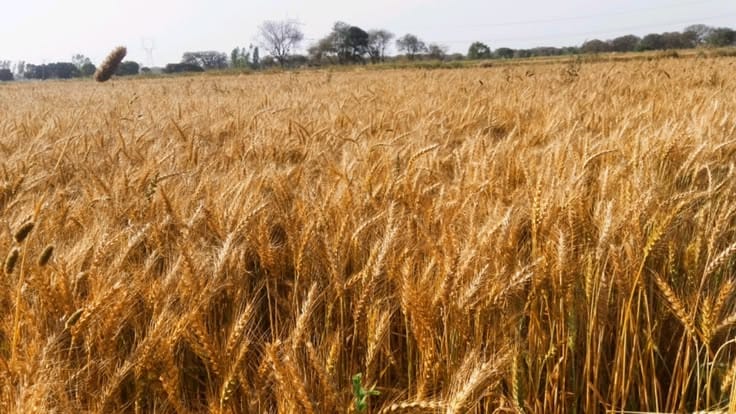
Delhi farmers affected by monsoon flooding and waterlogging are set to receive enhanced compensation after the Cabinet approved a major relief package.
In a significant relief move for Delhi’s farming community, the Cabinet chaired by Chief Minister Rekha Gupta has approved an enhanced crop-loss compensation package for nearly 10,000 farmers hit by heavy rainfall and waterlogging during the 2025 monsoon season. The revised assistance raises compensation to Rs 75,000 per hectare, marking the first major revision in the city’s crop loss policy in more than a decade.
According to the government, agricultural land spread across 10,977.44 acres, or about 4,442 hectares, suffered damage in August and September last year due to continuous rainfall and overflowing drains. The decision clears the way for Rs 33.32 crore in financial relief, offering long-awaited support to farmers who have been waiting nearly nine months for compensation. Yeh move kaafi important hai because it directly affects rural livelihoods in an otherwise urban-dominated capital.
What the Cabinet Approved
The Cabinet decision is centered on one major change: the compensation rate for crop damage has been increased to Rs 75,000 per hectare. This is a substantial jump from the earlier policy introduced in 2015, under which farmers received Rs 20,000 per acre, roughly Rs 49,421 per hectare. NDTV has covered the full story.
Officials said the revised amount reflects both the scale of losses and the rising cost of agricultural inputs over the years. In simple terms, the earlier compensation no longer matched the real financial pain farmers were facing after crop damage. By increasing the payout, the government is trying to bring relief closer to current market realities.
The decision also matters because the Revenue Department’s survey found crop loss in the affected areas was assessed at 100 percent. That means the damage was not partial or limited in nature — the affected fields were essentially wiped out, leaving farmers with little or nothing to harvest.
Why the Compensation Was Increased
The government’s reasoning is clear: Delhi’s old compensation structure had become outdated. The previous rate had remained unchanged since 2015, even as fertilizer, seed, diesel, irrigation, and labor costs kept rising. For farmers, that gap between policy and reality had grown too large.
The revised assistance also accounts for the severity of last year’s weather disruption. Continuous rain and overflowing drains led to widespread waterlogging in agricultural pockets across outer, northwest, and southwest Delhi as well as along the Yamuna floodplains. These are areas where farming still supports thousands of families, even though Delhi is largely seen as an urban city.
From a governance perspective, the hike sends a message that crop loss cannot be treated as a minor issue. Rainfall-related damage has real economic consequences, especially for small and marginal farmers. When the crop fails, the family income fails too. That is why timely and realistic compensation is essential.
Who Will Benefit
The government estimates that around 10,000 farmers will benefit from this relief package. The compensation is intended for registered landowners whose land was damaged during the August-September 2025 rainfall and waterlogging episode.
However, not every type of land will be eligible. Company-owned land, Gram Sabha land, and farmhouse plots enclosed by permanent boundary walls have been excluded from the package. This means the relief is being targeted toward genuine agricultural losses rather than all land categories within the affected zones.
The eligible beneficiaries were identified through the Revenue Department’s assessment process. That survey-based approach is important because it provides an administrative basis for payments and helps reduce confusion or disputes over who qualifies.
Background and Context
Delhi may be a national capital and a largely urban economy, but agriculture is still part of its social and economic fabric. Villages in the Yamuna floodplain and in the outer districts continue to depend on farming for livelihood. For these communities, monsoon flooding is not just a weather issue—it is a direct income shock.
The 2025 rainfall spell created exactly that problem. Drainage systems overflowed, water remained trapped in agricultural fields, and standing crops were destroyed. Farmers then had to wait months for survey completion, policy approval, and financial sanction. That delay has now ended with the Cabinet’s latest nod.
The timing of the payout also matters. The relief comes at a point when farmers are preparing for the next crop cycle. In that sense, the assistance is not only compensation for the past but also support for future sowing. Without cash in hand, many farmers would struggle to buy seeds, fertilizers, or diesel on time.
Timeline
August-September 2025: Heavy rainfall and overflowing drains cause widespread waterlogging in Delhi’s agricultural areas.
Post-damage period: The Revenue Department conducts surveys to assess crop loss.
Survey outcome: Crop damage is assessed at 100 percent in affected areas.
Cabinet meeting: The Delhi Cabinet approves enhanced compensation of Rs 75,000 per hectare.
Current decision: Rs 33.32 crore is cleared for disbursal to nearly 10,000 farmers.
Also Read: Man Arrested After Killing 1-Year-Old Boy Over Rejected Marriage Proposal
What the Chief Minister Said
Chief Minister Rekha Gupta said the government has a responsibility to support farmers affected by natural disasters and adverse weather conditions. She noted that when crops are damaged due to heavy rainfall or other circumstances, the state must stand firmly with farmers and provide timely assistance.
She also said the enhanced support would help farmers recover their losses and prepare for the next season. In effect, the government is framing the decision not just as compensation but as a recovery tool. That distinction is important because farmers need liquidity quickly after a disaster, not just moral support.
Officials also pointed out that this is the first major revision in Delhi’s crop-loss compensation rate in more than a decade. That makes the announcement more than a routine relief measure; it is a policy correction that aligns support with current conditions.
Why This Matters
This matters because crop loss in a small agricultural area like Delhi can still hit thousands of households very hard. A farming family that loses an entire season’s produce may face debt, delayed sowing, and reduced spending on basic needs. The compensation is, therefore, not just a government payout—it is a lifeline.
It also matters because monsoon-related damage is becoming a recurring challenge in many parts of India. Whether in rural belts or peri-urban farming zones, waterlogging and drainage failure can wipe out crops quickly. When that happens, relief must be fair, quick, and realistic. Yeh issue kaafi important hai because it connects climate, agriculture, and livelihood security in one place.
For the wider public, the decision shows that agricultural distress is not limited to distant villages. Even in Delhi, farming communities are vulnerable to weather shocks. That makes crop compensation a public policy issue, not just a rural welfare announcement.
India Angle
The India angle is strong because crop-loss compensation is a familiar and emotionally important topic across the country. From Punjab to Uttar Pradesh to Maharashtra, farmers repeatedly face losses from floods, excessive rain, and waterlogging. Delhi’s decision will likely be watched by other states because it sets a practical example of updating compensation rates after a long gap.
In Hinglish, seedhi baat yeh hai: agar nuksan 100 per cent hai, toh relief bhi serious hona chahiye. Farmers cannot be expected to absorb major losses and then wait endlessly for outdated support. This move shows that governments need to keep pace with rising farming costs and changing weather patterns. For Indian readers, the story is relevant because it reflects a broader truth—climate risk is now part of everyday agriculture.
Analysis
My opinion is that the biggest strength of this decision is timing and scale. The government has not only increased the rate but also linked it to a clear revenue survey and a defined payout amount. That gives the move credibility. The weakness, however, is the nine-month gap between damage and relief. For a farmer, compensation delayed for months is only partly useful, because the biggest need comes immediately after the crop is destroyed. Still, the revised amount is a step in the right direction, and it may help rebuild trust if disbursal is executed smoothly.
What Next
The immediate next step will be the disbursal of Rs 33.32 crore to eligible farmers identified in the survey. Authorities will likely move district-wise to ensure payments are credited without major delays.
The long-term question is whether Delhi’s crop-loss compensation framework will now be reviewed more regularly instead of staying frozen for years. If the government wants this to remain effective, it may need a more dynamic system that reflects inflation, crop value, and weather risk. Better drainage planning and stronger monsoon preparedness will also matter, because compensation alone cannot prevent crop damage.
In the coming weeks, attention will likely shift to how quickly the funds reach the affected families and whether any eligible farmers are left out. If the rollout is smooth, the decision could become a positive example of responsive relief policy in a climate-stressed city.
Conclusion
Delhi’s decision to raise crop-loss compensation to Rs 75,000 per hectare is a meaningful relief measure for nearly 10,000 farmers affected by the 2025 monsoon’s heavy rainfall and waterlogging. The approval of Rs 33.32 crore shows that the government is treating the damage seriously and acknowledging the financial stress faced by farming families.
At the same time, the case highlights a larger challenge: agriculture in Delhi remains vulnerable despite the city’s urban identity. For affected farmers, the payout brings hope ahead of the next crop season. For policymakers, it is a reminder that support must be timely, realistic, and grounded in current costs.
Written By A. Jack