UPI achieved new milestones in May 2026, with transaction value reaching ₹29.90 lakh crore and volume crossing 23.2 billion, according to NPCI data. The uptick was triggered by summer travel, spending on IPL 2026 and steady growth in everyday digital payments across India.
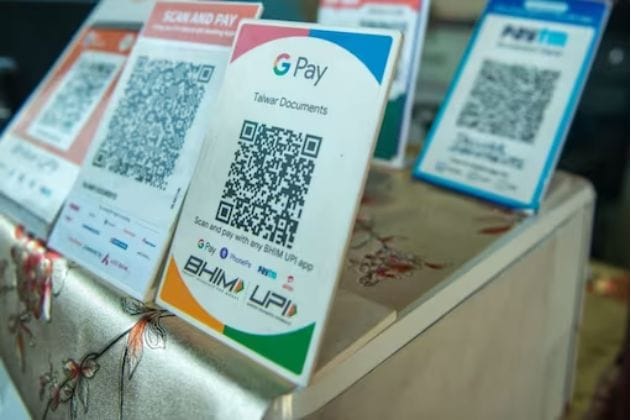
UPI transaction volumes and values hit a record high in May 2026, reflecting India’s growing dependence on digital payments.
UPI Transactions India’s digital payments story achieved another milestone in May 2026, with the Unified Payments Interface (UPI) reaching a record high of ₹29.90 lakh crore in transaction value and 23.2 billion in volume of transactions. The latest figures from the National Payments Corporation of India (NPCI) reveal the extent to which UPI has permeated the daily life of the country.
The jump is led by seasonal spending like summer travel, IPL 2026-related consumption, and routine retail transactions. The May number shows that not only did UPI continue to be robust but also grew further in value and usage as compared to April’s ₹29.03 lakh crore. This is a very important trend, as it shows that digital payments are no longer a convenience in India but the default for millions of people.
What the Data Shows
UPI transactions in May were ₹29.90 lakh crore, up from ₹29.03 lakh crore in April and ₹25.14 lakh crore in the same month last year, NPCI said. This means a roughly 19 percent annual growth in transaction value for the platform. The Hindu has covered the full story.
In terms of volume, UPI had processed 23.2 billion transactions in May compared to 18.67 billion in the same period last year. This is up 24 percent from a year ago and reflects not only higher spending but also more frequent use by consumers, businesses, and service providers.
This is significant because UPI is simultaneously growing on two fronts. The amount of money changing hands is increasing, but so is the number of payments being made. This suggests that more Indians are using UPI for everything from small everyday payments to larger purchases, travel bills, and event-related spending.
Why UPI Grew in May
Several factors appear to have driven the record performance. Summer travel was one of the biggest contributors, as families, tourists, and students made seasonal payments for transport, hotels, food, and local spending. IPL 2026 also likely boosted transactions, especially in cities where match-day spending on tickets, food, merchandise, and ride-hailing services tends to rise sharply.
Cashfree Payments co-founder and CEO Akash Sinha said May’s numbers reflect strong organic demand. According to him, summer travel, IPL 2026 and seasonal consumer spending drove 23.20 billion transactions worth ₹29.90 lakh crore, describing the trend as a healthy month-on-month recovery and a continuation of UPI’s upward trajectory.
That assessment makes sense because UPI usually benefits when consumer activity rises. In a country as large and mobile as India, even a short-term travel season or a major cricket tournament can generate a noticeable spike in digital payments. The platform’s strength is that it works across regions, merchants, and use cases, so it captures spending wherever it happens.
Average Ticket Size Is Falling
One of the more interesting points in the latest discussion is the decline in average UPI ticket size. According to the RBI’s Payments Systems Report, the average ticket size has fallen from ₹1,848 in 2021 to ₹1,313 in 2025. At first glance, that might look like a slowdown in spending power, but experts are reading it differently.
Akash Sinha said the decline is not a concern but a sign of a maturing ecosystem. That is because more people are now using UPI for smaller, everyday purchases rather than only high-value transfers. In other words, the system is becoming more deeply woven into routine life. A chai payment, cab ride, grocery bill, or metro recharge may now happen through UPI as naturally as a bank transfer once did.
This is a major shift. When a digital payment system moves from big-ticket transactions to high-frequency small payments, it becomes part of habit rather than just a financial tool. That is a sign of long-term adoption, not weakness.
Background and Context
UPI’s rise has been one of the biggest fintech success stories in the world. What began as a simple instant-payment system has turned into a national financial habit used by urban professionals, shopkeepers, students, gig workers, and rural consumers alike. Its growth has been powered by QR-based payments, smartphone penetration, low-cost transfers, and easy interoperability across banks and apps.
Over the last few years, UPI has consistently set new records because India’s cashless economy has expanded at a very fast pace. The system became even more essential during and after the pandemic, when people adopted contactless payments more widely. Since then, it has gone from an option to a norm.
The May numbers should also be seen in that context. They are not just a one-month spike. They reflect a broader movement in Indian consumer behavior, where digital payments have become routine across travel, retail, dining, entertainment, and bill payments. That makes UPI one of the clearest indicators of how India’s economy is digitizing at street level.
Timeline
RBI data shows UPI average ticket size at ₹1,848 in 2021
2025: Average ticket size declines to ₹1,313 as smaller payments become more common
UPI transaction value touches ₹29.03 lakh crore in April 2026, with 22.35 billion transactions.
May 2026: UPI crosses a new high of ₹29.90 lakh crore, with 23.2 billion transactions.
Also Read: Parle Industries Shares Hit 5% Upper Circuit Again as Viral Melody Buzz Fuels Wrong-Stock Rally
Why It Matters
This matters because UPI is not just a payments platform; it is a real-time snapshot of India’s consumer economy. When transaction volumes rise, it usually means everyday spending is active and digital adoption is deepening. That is useful for banks, fintech companies, merchants, and policymakers alike.
It also matters because India is showing that digital payments can scale at both high value and high frequency. For small businesses, this means faster collections and less dependence on cash. For consumers, it means convenience and speed. For the economy, it means better visibility and more efficient money movement. Yeh issue kaafi important hai because it shows how digital finance has become part of daily Indian life.
India Angle
The India angle is strong since UPI is perhaps the most visible symbol of India’s fintech transformation. From metros to small towns, people now scan QR codes for tea, groceries, rickshaw fare, and festival shopping. Such adoption is rare even for large economies and places India at the forefront of digital payments globally.
Hinglish mein bolein to, UPI ab sirf ek app nahi raha—yeh daily life ka hissa ban chuka hai. Whether someone is traveling with family in the summer or buying snacks outside an IPL stadium, UPI has become the default payment mode. That is why May’s record is not just a financial headline; it is a behavioral one.
For Indian readers, this also signals that cash usage continues to shrink in many urban and semi-urban spaces. The more UPI grows, the more connected the informal and formal economy becomes. That has long-term implications for taxation, business efficiency, and consumer convenience.
Analysis
In my opinion, the real story here is not just the record number but the changing pattern behind it. The higher number of transactions with a lower average ticket size shows UPI becoming more granular and universal. That is maturity. At the same time, the continued growth also suggests that Indian consumers still have spending momentum, even in a month affected by travel and entertainment. If this trend continues, UPI will likely get further entrenched in everyday commerce, from the smallest local shop to the largest service platform. In simple terms, the payments revolution is not coming; it is here.
What Next
The next few months will show whether May was a seasonal peak or part of a longer upward trend. If summer travel and entertainment spending continue to support volumes, UPI may keep setting fresh records through the festival and holiday cycles later in the year.
Fintech companies will likely focus on improving merchant tools, reward systems, and payment reliability to capture this growing traffic. Banks and regulators will also watch for any pressure on infrastructure, because higher volume means stronger demands on uptime and fraud prevention.
Another important trend to watch is whether the average ticket size continues to fall. If it does, that will further confirm that UPI is becoming a truly mass-market payment utility. That would be another milestone in India’s march toward a more digital economy.
Conclusion
UPI’s record-breaking performance in May 2026 shows how deeply digital payments have become woven into India’s everyday economy. With ₹29.90 lakh crore in transaction value and 23.2 billion transactions, the platform continues to grow in both scale and reach.
The numbers point to strong consumer activity, seasonal spending, and a maturing digital payments ecosystem. More importantly, they show that UPI is no longer just a fintech innovation — it is now a core part of Indian life. As the system expands further, it will remain one of the clearest indicators of how India pays, spends, and moves money.
Written By A. Jack