A shocking incident in Delhi has reignited fears over child safety after a man was detained for allegedly sexually abusing his 13-year-old daughter in the Jahangirpuri district. A case has been registered under the POCSO Act and the accused, identified as Shakir Ali is absconding, police said.

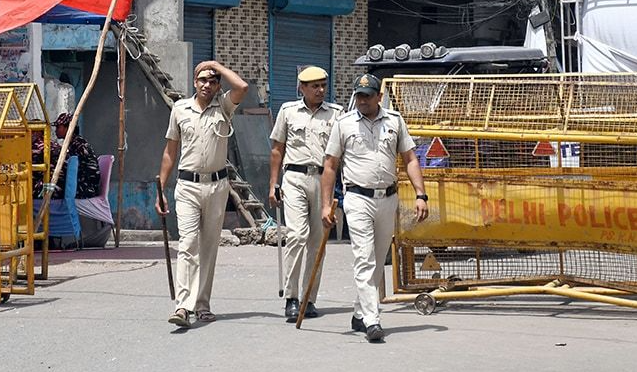
Police investigations are underway in Jahangirpuri after a 13-year-old girl accused her father of sexual assault inside her home in Delhi. Image Credit: NDTV
A deeply disturbing case from Delhi has emerged from Jahangirpuri, where a 13-year-old girl has accused her father of sexually assaulting her at home on July 7, officials said on Sunday. Police said the complaint was filed by the victim’s mother at Mahindra Park police station, following which a case was registered under the Protection of Children from Sexual Offences (POCSO) Act.
According to officials, the accused, Shakir Ali, lived in Badli Village with the girl’s grandmother, while the survivor lived with her mother and 10-year-old brother in Jahangirpuri. The alleged assault reportedly took place when the mother and brother were not at home. The case has once again highlighted the horrifying reality of abuse inside the home, a place where a child should feel safest. Yeh issue kaafi important hai because it shows how abuse can hide behind the walls of trust and family.
What Police Said Happened
Police said the survivor alleged that her father came to the residence on July 7 and forced himself on her against her will. The complaint further states that he threatened to kill both the girl and her mother if she told anyone about the incident. That detail is especially serious because threats often play a key role in silencing child victims and delaying disclosure. This story was also covered by NDTV.
The complaint was filed by the mother after the matter came to light, and officers said the accused is now absconding. Efforts are underway to trace and apprehend him. Since the case has been registered under the POCSO Act, investigators are expected to treat it with urgency and sensitivity, especially because the survivor is a minor. Seedhi baat yeh hai: when a child reports abuse by a parent, the legal and emotional stakes become extremely high.
At this stage, police have said further details are awaited. That means the formal investigation may still be in its early phase, and more evidence, statements and medical examinations may follow. In such cases, the process usually involves recording the child’s testimony carefully, ensuring safety, and examining the accused’s location and movements.
Why This Case Is So Disturbing
What makes this incident especially horrifying is not only the alleged crime but also the identity of the accused. When abuse is alleged inside a family, the child often faces a double trauma: the assault itself and the betrayal of trust. A parent is expected to protect, not harm. When that trust is broken, the damage can be long-lasting and deeply emotional.
The allegation also shows how vulnerable children can be when other family members are away from home, even briefly. The survivor reportedly said the act happened when her mother and brother were not present. That detail matters because it reflects a common pattern in abuse cases: offenders often exploit moments of isolation, secrecy and fear. It is a reminder that child protection cannot depend only on physical proximity; awareness and early reporting are equally important.
In many such cases, threats are used to delay disclosure. The alleged warning to kill the girl and her mother if she spoke out suggests that fear may have been used to control her silence. That is one reason child abuse cases are often reported late. Victims may not speak immediately, especially when the accused is a family member. Yeh bhi important hai because silence can sometimes be forced, not chosen.
Background and Context
This case comes only months after another disturbing Delhi case in which a man was arrested for allegedly sexually assaulting his 13-year-old stepdaughter. In that incident, the minor was found to be pregnant after being subjected to abuse for more than a year, according to police accounts. The girl was taken to safety and later shifted to hospital, where doctors reportedly confirmed she was around five months pregnant.
That earlier case had already underscored how severe and prolonged child sexual abuse can be when it goes undetected or unreported. The present case now adds another painful reminder that abuse can happen in homes, not just in public spaces or among strangers. In fact, family-based abuse is often harder to identify because the victim may be dependent on the accused for shelter, food, emotional support or financial survival.
The POCSO Act exists precisely because children need special legal protection. It recognises that minors cannot be treated like adult complainants in cases of sexual violence. It also places emphasis on child-friendly procedures, confidentiality and swift action. That legal framework is crucial, but the real challenge remains social: how to spot warning signs earlier and how to make it safer for children to speak up.
Timeline
July 7: The survivor alleges that her father came home while her mother and brother were away.
Same day: She says the accused sexually assaulted her and threatened her to stay silent.
Later: The mother learns of the allegation and approaches Mahindra Park police station.
Sunday: Police confirm that a case has been registered under the POCSO Act.
After registration: The accused, identified as Shakir Ali, is reported to be on the run.
Now: The Police are trying to trace and apprehend him as further investigation continues.
Also Read: Delhi Hospital Ceiling Fan Incident: Patient Dies Hours After Fan Falls on Him at GTB Hospital
Why This Matters
This matters because child sexual abuse is one of the most serious social crimes, and cases involving a parent are especially alarming. They reveal how vulnerability can exist even in a child’s own home. For families, schools and communities, the story is a brutal reminder that trust and safety cannot be assumed. Yeh issue kaafi important hai because if children are not safe at home, then society has to rethink how protection actually works.
It also matters because delayed reporting is common in abuse cases. The more fear and shame a child carries, the harder it becomes to disclose abuse. That means family members, neighbours, teachers and carers need to pay closer attention to behavioural changes, withdrawal, anxiety or unexplained distress. Early intervention can prevent further harm.
There is also a legal and institutional angle. A case like this tests whether police can respond quickly, whether child-friendly procedures are followed and whether the survivor receives proper support. The outcome can influence public trust in the system. If handled sensitively and firmly, it can reassure families that the law is serious about protecting minors.
India Angle
For Indian readers, the case reflects a painful but real challenge in child safety across the country. In Hinglish, seedhi baat yeh hai: ghar hamesha safe nahi hota, aur yahi sabse scary part hai. Many people still assume danger comes mostly from outside, but abuse inside the home is often more hidden and harder to detect.
This story is especially relevant in densely populated urban areas like Delhi, where families may live under financial pressure, with limited privacy and limited support systems. That doesn’t cause abuse, of course, but it can make it harder for victims to find help quickly. Indian families also need better awareness about what to do if a child discloses abuse: believe the child, ensure immediate safety, and approach the police or child protection authorities without delay.
The case also highlights the importance of local policing and support networks. If a complaint is made at a neighbourhood police station and acted upon quickly, it can stop further harm and begin the legal process. That is why public awareness and institutional responsiveness matter so much in India’s child protection framework.
Analysis
My opinion is that this case exposes the limits of relying only on family trust as a protective mechanism. Families are important, but they are not always safe spaces. That is a hard truth, yet an essential one. Social systems, schools, neighbourhoods and police all need to work together to make disclosure possible. Children need to know that speaking up will lead to support, not punishment or disbelief.
I also think the police response will matter a lot in shaping public confidence. Because the accused is reportedly on the run, investigators will need to act quickly and sensitively. The survivor’s safety, privacy and emotional well-being must remain the top priority. Cases like this can easily become sensationalised online, but responsible reporting and responsible policing should focus on justice and protection, not spectacle.
From a broader perspective, this is another reminder that India still needs stronger child safety education at home and in schools. Prevention is not only about punishing offenders after the fact. It is also about teaching children bodily autonomy, encouraging trusted disclosures, and building adult vigilance. That is where long-term change begins.
What Next
The next step will be the ongoing search for the accused and the recording of evidence under the POCSO framework. Police are likely to examine the complaint in detail, verify the timeline and take further steps to trace Shakir Ali. If arrested, he will face legal proceedings based on the complaint and supporting evidence.
The survivor may also be provided support through child welfare mechanisms, counselling and safe accommodation if required. In cases like this, the immediate priority is to ensure the child is protected from contact with the accused and is not retraumatised during the investigation. The mother’s role will also remain important, as the complaint is already on record.
At a broader level, this case may prompt fresh discussion on child safety awareness in Delhi and across India. It could lead to renewed calls for better reporting, faster intervention and stronger support systems for minors. That would be a necessary and healthy response to such a disturbing allegation.
Conclusion
The allegation that a father sexually assaulted his 13-year-old daughter in Jahangirpuri is a deeply disturbing reminder that abuse can happen in the most private and trusted spaces. Police have registered a POCSO case and are searching for the accused, who is currently on the run.
The survivor’s account, including alleged threats to keep her silent, makes the case even more serious. As the investigation moves forward, the focus must remain on the child’s safety, dignity and access to justice. For India, this is another painful reminder that child protection must begin at home, in schools and in every institution that claims to safeguard minors.
Written By A. Jack