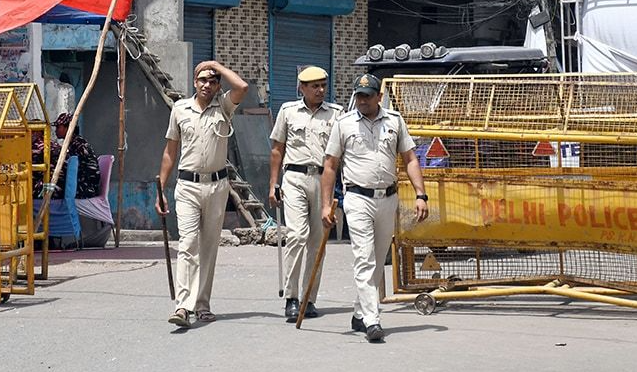
Delhi police have arrested hotel cook Keshav Negi in connection with the deadly Malviya Nagar hotel fire that claimed 21 lives. Now, investigators say the fire may have spread quickly because of his alleged negligence following an electric stove explosion inside the kitchen.
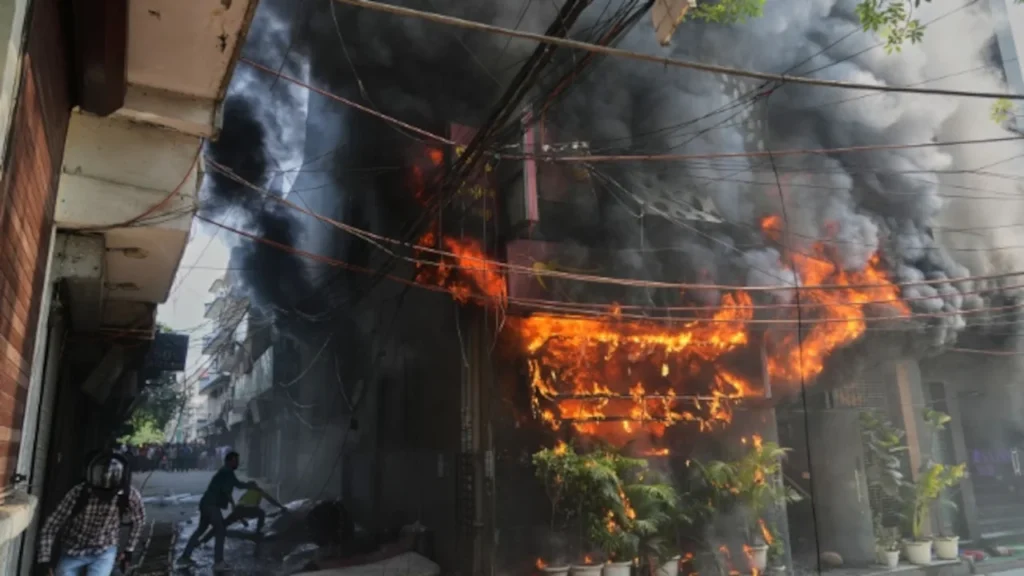
Police investigation at the Malviya Nagar hotel fire site, where a kitchen blast and delayed escape routes are now under scrutiny after 21 deaths.
The investigation into the deadly Delhi hotel fire has taken a new turn with the arrest of cook Keshav Negi, who worked at the Flourish Inn hotel in Malviya Nagar. The fire, which broke out on Wednesday morning, killed 21 guests, including nine Indians and 12 foreigners, and left several others injured.
Police sources now believe the blaze spread quickly because of Negi’s alleged negligence, adding a fresh layer to an already tragic case. The hotel owner, Lavkesh Bajaj, had already been arrested earlier, but the latest arrest shifts the spotlight to what happened inside the kitchen at the exact moment the fire began. Yeh issue kaafi important hai because it shows how one mistake inside a badly designed building can turn into a mass-casualty disaster.
What Happened
According to the available reports, the fire started around 8:30 am on Wednesday when Negi turned on an electric stove in the kitchen. He had earlier told NDTV that the stove exploded as soon as he switched it on, after which he turned off the main power supply and ran out in the smoke.
Police sources, however, now say the situation was more serious than a simple accident. Investigators believe the fire spread rapidly after the power was cut, which may have caused the hotel’s electronic doors to lock. That, in turn, allegedly trapped several guests inside the building and made escape much harder. In one of the most tragic details emerging from the probe, a husband and wife were reportedly suffocated to death in the hotel bathroom because they could not open the door.
The hotel itself appears to have had severe structural and safety flaws. It was a narrow five-floor building with 22 rooms, only one entry-exit point, permanently sealed windows, and a sensor-operated main door. A restaurant operated on the ground floor, while the basement and upper floors were being used as a hotel. That combination of congestion, poor access, and fire vulnerability created a deadly environment once the blaze began.
What the Arrest Means
Negi’s arrest is important because police now appear to be treating the fire as more than just an unfortunate accident. If investigators conclude that his action directly contributed to the spread of the fire or the locking of the exits, then the legal case could expand beyond negligence into more serious criminal liability.
The police are also questioning other staff members and people connected to the property. That suggests the probe is not focused on only one individual. Instead, authorities are trying to reconstruct the entire chain of events: how the stove was used, how the power system worked, why the doors locked, whether the hotel had proper safety clearances, and who was responsible for the unsafe structure.
In fire cases like this, the difference between a tragic accident and a criminal case often lies in preventable lapses. If a building has no safe exit, sealed windows, and an electronically locked door, even a small kitchen incident can become deadly. That is why the investigation is looking closely at both the cook’s actions and the hotel’s design.
The Hotel’s Safety Failures
The Flourish Inn appears to have had multiple safety weaknesses that made escape nearly impossible once the fire started. The narrow building had only one entry and exit point, which is dangerous in any emergency. Fire safety norms generally require more than one escape route, especially in a multi-story accommodation.
The sealed windows are another red flag. In a fire, windows can serve as emergency ventilation or an alternate route for rescue. Permanently sealed windows trap smoke inside and make it harder for people to breathe or for rescuers to reach them. Add to that a sensor-based main door and an electronic locking system, and the building becomes highly vulnerable if power is cut in an emergency.
This is exactly why the alleged power shutdown is now under scrutiny. Police say the doors got locked after Negi switched off the power supply. If that sequence is confirmed, it could explain why guests had such a hard time escaping. A small kitchen blast, in a building already packed with flaws, may have become a death trap within minutes.
Background
The fire at the hotel was the deadliest in Delhi since 2022, which is one reason the case has drawn such intense public attention. It killed 21 people, including both Indian and foreign guests, and injured about a dozen others. In a city as large and heavily regulated as Delhi, such a high death toll immediately raises questions about how the property was allowed to function.
The hotel had 22 rooms spread across a narrow five-story structure. The fact that a restaurant was running on the ground floor while guests stayed in the basement and upper floors points to mixed-use operations that often require strict fire compliance. When such properties are crowded and operating in a compact layout, the margin for error is tiny.
This case also fits a familiar pattern in Indian urban fire disasters. A building operates for years with visible risks, officials miss or overlook the violations, and then an emergency exposes all the hidden failures at once. Once people begin dying, the conversation shifts from regulation to blame. That is what makes the Delhi hotel fire so disturbing. It is not just the fire itself but the sense that it may have been preventable.
Timeline
Wednesday morning, around 8:30 am: The fire starts in the kitchen of the Flourish Inn hotel in Malviya Nagar.
Immediately after: Cook Keshav Negi says the electric stove exploded, and he switched off the main power before fleeing.
During the fire: Electronic doors allegedly lock, trapping guests inside.
Same day: 21 guests die, including nine Indians and 12 foreigners; several others are injured.
After the fire: Hotel owner Lavkesh Bajaj is arrested.
Three days later: Police arrest cook Keshav Negi and continue questioning staff and related persons.
Why This Matters
This matters because fire safety failures in hotels can turn into mass casualty incidents very quickly. Guests trust that a hotel is a safe place to sleep, eat, and rest. When a building has one exit, sealed windows, and electronically controlled doors, that trust becomes dangerously misplaced. Yeh issue kaafi important hai because ordinary travelers, especially those unfamiliar with local buildings, are the ones who suffer most when safety systems fail.
It also matters for India’s hospitality industry. Hotels, guest houses, and mixed-use commercial buildings across the country often operate in tightly packed urban spaces. If this case leads to stronger inspections and tougher enforcement, it could save lives in future incidents. If it is treated as just another isolated tragedy, the same pattern may repeat.
There is also a human impact that cannot be ignored. Families have lost loved ones, including foreign visitors who came to Delhi expecting a normal stay. Such incidents damage not only individual lives but also the city’s and country’s reputation as a safe destination.
India Angle
The India angle is very strong here because this is not just a Delhi story; it is a nationwide fire safety warning. In Indian cities, many hotels and guesthouses operate in older buildings, dense localities, and mixed-use structures where compliance can be uneven. A kitchen fire in one corner of the building can become a full-blown tragedy if exits are blocked and alarms fail.
In Hinglish, seedhi baat yeh hai: ek stove blast agar ek aise building mein ho jahan exits hi unsafe hon, toh disaster almost inevitable ho jata hai. This case will resonate across India because people have seen similar tragedies in other cities too. It reminds everyone that fire safety is not paperwork. It is life-saving infrastructure.
It also raises a practical question for Indian travelers: how often do guests check emergency exits, window access, or fire systems when booking a hotel? Most don’t. They assume the property is safe because it looks polished online. That assumption can be dangerous, especially in congested urban hospitality spaces.
Analysis
My opinion is that the arrest of the cook should not end the inquiry. The hotel’s design and safety failures appear to be just as important as the stove incident. Even if Negi made a serious mistake, a properly designed and compliant building would not have turned a single kitchen problem into a 21-death disaster. That is the deeper story here. When investigators focus only on the last person who touched the stove, the bigger institutional failures can get buried. The police will need to answer hard questions about approvals, inspection records, exit design, and whether the hotel should have been operating at all in that form.
What Next
The next step is likely a fuller reconstruction of the fire by police, fire officials, and forensic experts. They will need to confirm how the stove exploded, whether the main power shutdown caused the doors to lock, and whether the hotel’s structure violated safety rules.
Additional arrests are possible if investigators conclude that other staff members, managers, or the owner knew the building was unsafe. The hotel owner’s earlier arrest suggests that police are already looking beyond the fire’s immediate trigger. Further legal action may depend on whether officials find negligence, unsafe licensing, or deliberate violation of fire norms.
There may also be broader regulatory consequences in Delhi. Hotels, guesthouses, and mixed-use buildings could face renewed checks, especially in congested neighborhoods like Malviya Nagar. If that happens, the tragedy may at least push the city toward stricter enforcement.
Conclusion
The arrest of cook Keshav Negi marks a major shift in the Delhi hotel fire probe, but it does not close the case. Police now believe his alleged negligence helped the fire spread, while the hotel’s flawed design may have trapped guests inside and made escape impossible.
What remains painfully clear is that this was not just a kitchen accident. It was a deadly combination of possible human error, unsafe infrastructure, and delayed escape routes. The result was catastrophic: 21 lives lost, several injured, and a city once again asking how such a building was allowed to function. Yeh issue kaafi important hai because the final lesson is simple—fire safety cannot be optional, especially in places where people sleep, eat, and trust their lives to the building around them.
Written By A. Jack