Delhi and the wider National Capital Region are set for a major pollution-control shift, with new rules pushing the region toward electric three-wheelers and stricter fuel access for vehicles without valid pollution certificates. The move, announced by the Commission for Air Quality Management (CAQM) on Friday, is part of a phased plan that could reshape urban transport in NCR over the next few years.
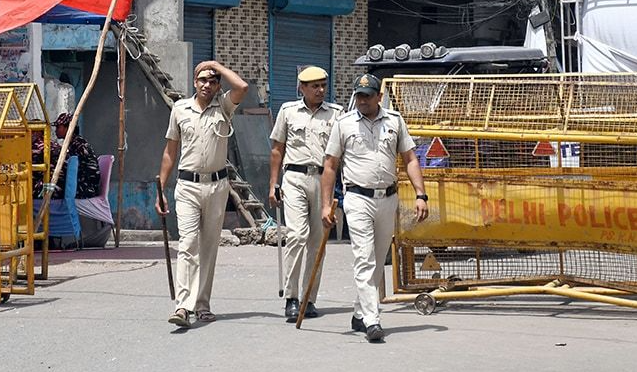
Traffic moves through Delhi as authorities prepare for stricter pollution-control rules, including electric auto rollout and fuel restrictions for vehicles without valid PUCC.
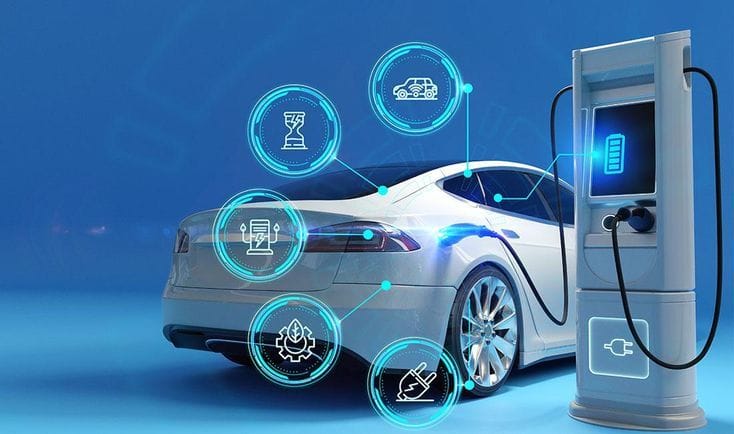
The Commission for Air Quality Management has announced a fresh set of measures aimed at reducing vehicular pollution in Delhi-NCR, including a phased rollout that will require only electric 3-wheelers of the L5 category to be registered across the region. Alongside this, the panel has also decided that from October 1, 2026, fuel stations across the NCR will not dispense fuel to vehicles that do not have a valid Pollution Under Control Certificate, or PUCC.
This is a significant policy move because it directly targets one of the biggest contributors to air pollution in the capital region: vehicular emissions. Delhi’s air quality has long been a public health concern, and the latest decision shows that the authorities are now using a mix of technology, regulation, and phased implementation to tighten enforcement. Yeh step kaafi important hai because it affects not just drivers but also auto operators, fuel stations, enforcement agencies, and the daily commuter.
What the Decision Says
The CAQM’s directions create a phased transition for electric three-wheelers across the NCR. In the National Capital Territory of Delhi, the rule will come into effect from January 1, 2027. In the high vehicle density districts of Gurugram, Faridabad, Sonipat, Ghaziabad, and Gautam Budh Nagar, the rule will apply from January 1, 2028. The remaining districts of the NCR will follow from January 1, 2029. NDTV has covered the full story.
At the same time, the panel has said that no fuel will be dispensed at petrol pumps across the NCR from October 1, 2026, to vehicles that do not hold a valid PUCC, as identified through Automatic Number Plate Recognition systems or other technology-based enforcement tools. This means the enforcement system will no longer depend only on manual checks. Instead, cameras and digital systems are expected to identify non-compliant vehicles more efficiently.
There are, however, exceptions. The CAQM has said that fuel access may still be allowed in extraordinary situations such as medical emergencies, law and order duties, disaster response operations, or other cases notified by the government. That clause is important because it shows the policy is designed to be strict but not blind to emergencies.
Why This Was Announced
The short answer is air pollution. The longer answer is that Delhi-NCR remains one of the most polluted urban regions in India, and vehicular emissions are a major source of the problem. The CAQM has used powers under the Commission for Air Quality Management in National Capital Region and Adjoining Areas Act, 2021 to issue these directions, which means the decision is backed by a legal framework specifically built for air-quality governance.
A week earlier, the same commission had revoked Stage-I actions under the Graded Response Action Plan, or GRAP, after air quality improved. That earlier step suggests that the air in the region had shown some short-term relief. But the new announcement makes clear that long-term pollution control still needs structural action, not just temporary emergency restrictions. In other words, it is not just seasonal firefighting; it is part of a bigger policy shift.
How the System Will Work
The biggest operational change will happen at fuel stations. Once the rule comes into effect in October 2026, petrol pumps across the NCR will need a way to verify whether a vehicle has a valid PUCC before dispensing fuel. The use of ANPR cameras means enforcement will likely be automated at many locations, which should reduce the scope for manual loopholes or inconsistent checking.
That also means fuel stations will have to upgrade their systems and coordinate with state authorities. The CAQM has directed the concerned authorities in Delhi and the NCR states to ensure the installation, integration, and operationalization of suitable technology-enabled enforcement systems. This is a big administrative task. A policy like this does not work unless the cameras, databases, pump infrastructure, and enforcement officers are all connected properly.
For electric three-wheelers, the transition will gradually make the L5 category fully electric in NCR. That could reshape how auto-rickshaw fleets are purchased and registered, especially for commercial operators who rely on three-wheelers for daily income. Over time, this may push the market toward cleaner vehicles, but the transition will need financial support, charging infrastructure, and predictable policy to avoid disruption.
Reported Statements
The official framing of the move is simple: reduce pollution from vehicles operating without valid emissions checks and accelerate cleaner transport. The logic is easy to understand. If a vehicle cannot even show a valid pollution certificate, it should not be freely consuming fuel in a city already struggling with toxic air.
The emphasis on technology also suggests the authorities want a stronger compliance system rather than a paper-based one. That is a sensible approach because enforcement in large urban areas is often weak when it depends only on human checks. Digital monitoring, if implemented properly, can improve accountability and reduce evasion. The real test, however, will be execution on the ground.
Background
Delhi’s air quality problem is not new. Every winter, the city and surrounding NCR districts face severe pollution due to a combination of dust, construction, crop residue burning, industrial emissions, and traffic-related pollution. Vehicles alone do not cause every pollution episode, but they are one of the most visible and persistent contributors, especially in dense urban traffic.
The CAQM was created to bring a more coordinated response to the air crisis in the NCR and adjoining areas. Over time, it has introduced and adjusted measures under GRAP, but this new directive is more structural in nature. Instead of only reacting when AQI worsens, the focus here is on reducing the number of high-emission or non-compliant vehicles on the road in the first place. That is why this decision stands out as more preventive than reactive.
Timeline
A week earlier: CAQM revoked Stage-I GRAP actions after air quality improved.
Friday: CAQM announced phased electric 3-wheeler registration across the NCR.
October 1, 2026: Fuel denial begins for vehicles without valid PUCC across NCR.
January 1, 2027: Delhi begins only electric L5 three-wheeler registration.
January 1, 2028: The rule expands to high-density NCR districts.
January 1, 2029: Remaining NCR districts join the electric-only registration rule for L5 vehicles.
Also Read: Centre Raises Fuel Rates by Rs 3 Per Litre Amid Middle East Crisis
Why This Matters
This matters because it could change everyday transport in one of India’s busiest urban zones. If the fuel restriction is enforced effectively, it will push vehicle owners to keep pollution certificates updated and may reduce the number of grossly polluting vehicles on the road. That can have a real effect on local air quality over time, especially if compliance improves significantly.
It also matters for the auto and last-mile mobility sector. Electric three-wheelers are already gaining traction in India, and this move may accelerate their adoption in Delhi-NCR. For drivers, fleet owners, and small business operators, the shift could mean lower fuel costs eventually but higher upfront vehicle and charging-related costs in the short term. That balance will shape how smoothly the transition happens.
India Angle
For Indian readers, the big takeaway is that Delhi-NCR may become a policy model for other polluted metro regions. Cities like Mumbai, Kolkata, Bengaluru, and Chennai also face their own air quality challenges, and the success or failure of this kind of enforcement will be watched closely across the country.
There is also a very practical side to this. Many Indian vehicle owners delay pollution checks until the last minute. If fuel access is tied to a valid PUCC, compliance may rise quickly because the penalty becomes immediate and visible. That is a powerful lever in India, where routine enforcement often struggles but access restrictions tend to work better. Simple words mein, the rule sirf notice board par nahi hoga; it will directly affect how people refuel their vehicles.
Analysis
My view is that the move is ambitious but logical. Delhi cannot keep fighting pollution only through emergency bans and temporary GRAP measures. A more durable response needs cleaner fleets and stricter compliance. Still, the effectiveness of this policy will depend on three things: whether enforcement is actually automated, whether exemptions are not misused, and whether vehicle owners can adapt without major confusion. If any of those fail, the rule may look strong on paper but weak in practice.
What’s Next?
The next stage will be implementation planning. Authorities must install and integrate ANPR systems at fuel stations, train staff, connect databases, and ensure the technology works reliably. Without that groundwork, the October 2026 fuel restriction could be difficult to enforce.
On the vehicle side, auto operators and manufacturers will likely start preparing for the transition to electric L5 three-wheelers. Charging infrastructure, financing schemes, and state transport coordination will become important very quickly. Over the coming months, readers should watch for detailed operational guidelines, public awareness campaigns, and any clarifications on exemptions. The policy timeline is long enough to plan, but short enough that transport stakeholders will need to move soon.
Conclusion
The CAQM’s latest decision marks a major step in Delhi-NCR’s fight against pollution, combining a phased electric vehicle mandate with a stricter fuel rule for vehicles lacking valid PUCCs. It is a policy that aims to reduce emissions through enforcement, technology, and cleaner transport.
The idea is clear: if the region wants cleaner air, it has to make polluting behavior harder and cleaner choices easier. Whether this works will depend entirely on execution. But for Delhi-NCR, this is clearly one of the most important transport-and-environment moves in recent times.
Written By A. Jack