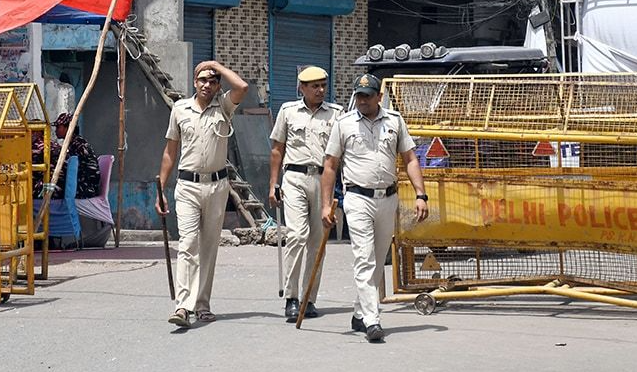
Delhi sizzled on Monday as Safdarjung recorded the hottest day of the season with a maximum of 43.4°C while the Ridge station logged 44.6°C. The IMD has warned that the intense heat and dry winds will continue through the week with temperatures likely to rise further in parts of the capital.
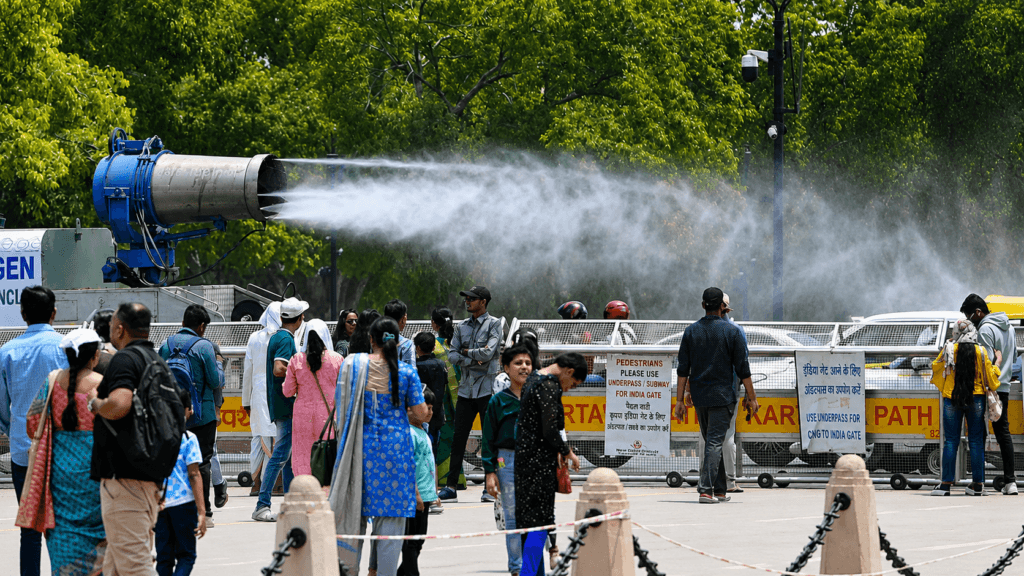
Delhi residents battle intense afternoon heat as the capital logs its hottest May day in nearly two years amid a continuing heatwave alert.
Delhi recorded its hottest May day in nearly two years on Monday as temperatures surged to dangerous levels across the capital and the NCR. The Safdarjung observatory, the city’s primary weather station, logged a maximum of 43.4°C, while the Ridge station climbed to 44.6°C, underscoring the severity of the ongoing heatwave.
The India Meteorological Department has warned that the punishing conditions are likely to persist through the week, with Tuesday expected to remain similarly harsh and temperatures in parts of the city possibly touching 45°C. The situation has already begun affecting daily life, with power demand rising sharply and residents struggling to cope with the scorching afternoon heat. Yeh issue kaafi important hai because this is not just uncomfortable weather—it is a public health and infrastructure stress event for a city as dense as Delhi.
Why the Heat Became Severe
The current heat spike is being driven by hot, dry northwesterly winds blowing into Delhi from the Thar Desert region of Rajasthan and parts of central Pakistan. By the time these winds cross vast arid stretches and reach the capital, they become extremely dry and heat-intensive. That traps warmth near the surface and makes the city feel even hotter than the reading on the thermometer. India Today has covered the full story.
This pattern is typical of late spring and pre-monsoon weather in north India, but the intensity this year has been notable. The Ridge station’s 44.6°C reading and Lodhi Road’s 43.8°C both show that large parts of Delhi were well above seasonal normal. Lodhi Road, in fact, was nearly five degrees above average, which is a strong signal that the city is experiencing a serious heat stress episode rather than an ordinary warm day.
What the Weather Office Said
A weather department official explained that the northwesterly winds are sweeping in from the Thar Desert and adjacent dry regions, and their journey across arid land makes them even more parching by the time they reach Delhi. That detail matters because it shows the heat is not only a local issue; it is linked to wider regional weather movements across northwestern India.
The IMD has also said there is little immediate relief in sight. No thunderstorms or pre-monsoon showers are forecast over the next several days, which means the capital may continue to remain under intense thermal pressure. In plain language, Delhi is likely to stay hot, dry, and uncomfortable through the week unless weather patterns shift unexpectedly.
Power Demand Surges
The heat has already started showing up in Delhi’s electricity usage. On Monday, the city’s power demand touched 7,542 MW, the highest recorded so far this summer. That is a major indicator because when temperatures rise, people turn to coolers, air conditioners, and fans more heavily, putting stress on the power grid.
This is important not just for statistics but for everyday life. Higher demand can increase the risk of supply strain, especially during peak afternoon and evening hours. In a city where millions depend on uninterrupted electricity for work, study, and health, a heatwave quickly becomes an infrastructure challenge. It is also a reminder that extreme weather is no longer limited to outdoor discomfort; it affects the entire urban system.
Delhi and NCR Under Pressure
The heat was not confined to Delhi alone. Nearby NCR areas also reported severe temperatures, with Gurugram touching 42°C and Rohtak reaching 45.2°C. Across western Uttar Pradesh, the IMD has predicted heatwave to severe heatwave conditions from Tuesday through May 24, with some districts expected to hit nearly 46°C.
Other northern states are facing similar hardship. Bathinda in Punjab recorded 47°C, while Pilani and Chittorgarh in Rajasthan both touched 46.2°C. Jaipur also crossed 43°C as dry conditions held firm. These numbers show that the heatwave is regional in scale, not just a city-specific problem. Delhi may be in focus because it is the capital, but the stress is spreading across large parts of the plains.
Background
Delhi’s summer heat is known for being harsh, but the current spell stands out because it arrived early and sharply. Late May often brings extreme temperatures, yet this year the city has already been pushed to uncomfortable levels before the monsoon has gained any meaningful ground. The broader pattern across northwest India suggests that pre-monsoon heatwaves are becoming more intense and more frequent.
In recent years, Delhi has repeatedly struggled with heat extremes, water scarcity, power load spikes, and rising health risks during summer. The city’s urban heat island effect—where concrete, traffic, and dense construction trap warmth—makes the situation worse. Add dry winds from the desert belt, and the result is a city that heats up faster and cools down much more slowly at night.
Timeline
Monday: Safdarjung records 43.4°C, the hottest May day in nearly two years.
Same day: Ridge station reaches 44.6°C and Lodhi Road logs 43.8°C.
Monday evening: Delhi’s power demand rises to 7,542 MW.
Tuesday onward: IMD expects heatwave conditions to continue through the week.
Next several days: No thunderstorm or pre-monsoon relief is forecast for Delhi and NCR.
Also Read: Fuel Prices Rise Again; Petrol and Diesel Costlier by Around 90 Paise
Why This Matters
This matters because extreme heat affects health, work, transport, and energy at the same time. Elderly people, children, outdoor workers, street vendors, and delivery staff are especially vulnerable when temperatures cross 43°C and dry winds make the air feel even harsher. Dehydration, heat exhaustion, and heatstroke risks rise quickly in such conditions.
It also matters because cities like Delhi have large populations that cannot simply “avoid” the heat. Office commuters, construction workers, traffic police, and school-going families all have to function through the day. When the capital hits record temperatures and power demand spikes, the issue becomes one of public preparedness, not just weather reporting. Yeh sirf garmi ka mamla nahi hai—it is a serious urban resilience issue.
India Angle
For Indian readers, this heatwave reflects a bigger national climate story. North and central India are now dealing with recurring extreme heat that disrupts daily life and increases dependence on electricity and water. In many households, especially in middle- and lower-income communities, cooling options are limited, which makes prolonged heat even harder to manage.
The Delhi case also matters because it often sets the tone for broader north Indian weather patterns. When the capital faces a severe heatwave, nearby states usually feel the same stress soon after. Farmers, laborers, and transport workers across Uttar Pradesh, Rajasthan, Haryana, and Punjab have to adjust their routines accordingly. In simple Hinglish, yeh weather sabke routine ko hilaa deta hai—from office timing to sleep, travel, and health. This makes the story highly relevant to a national audience, not just Delhi residents.
Analysis
My opinion is that the most important takeaway is the combination of heat and dry wind, which makes the discomfort and health risk much worse than a normal hot day. The power demand figure is also worth highlighting because it shows how quickly weather pressure translates into hardware stress. This is the kind of story where the temperature reading is only part of the news; the real story is how the city absorbs the shock. When Delhi crosses 43°C and no rain is in sight, the capital’s systems—energy, transport, health, and work—all get tested at once.
What’s Next?
The next few days are likely to remain extremely hot, especially in Delhi, NCR and the broader northwest belt. The IMD’s forecast suggests that temperatures may rise further by two to three degrees in some places, which means the possibility of more records cannot be ruled out. Residents should expect continued heat stress, especially during afternoon hours.
If there is no pre-monsoon thunderstorm activity, the city may continue to see high electricity usage and rising health concerns. Authorities may need to keep issuing heat advisories, hydration reminders, and work-safety guidance for outdoor laborers. The main hope for relief will come from a change in wind pattern or the arrival of pre-monsoon showers, but for now, neither looks immediate. Delhi should prepare for a few more days of intense summer pressure.
Conclusion
Delhi’s latest temperature spike has pushed the capital into one of its toughest early-summer spells in recent years. With Safdarjung at 43.4°C, the Ridge at 44.6°C, and power demand crossing 7,500 MW, the heatwave is already affecting daily life across the city.
The IMD warning suggests there is no quick relief ahead, and the broader northwest is also under strain. For Delhiites, the message is clear: stay hydrated, limit outdoor exposure during peak afternoon hours, and take the heat seriously. In a city where summer already hits hard, this week is set to be one of the most punishing so far.
Written By A. Jack