Petrol and diesel prices were increased by about 90 paise a litre on Tuesday, the second such hike in less than a week. Petrol price in Delhi is now Rs 98.64 a litre and diesel Rs 91.58. Other metros also saw similar hikes on the back of firmer global crude prices.
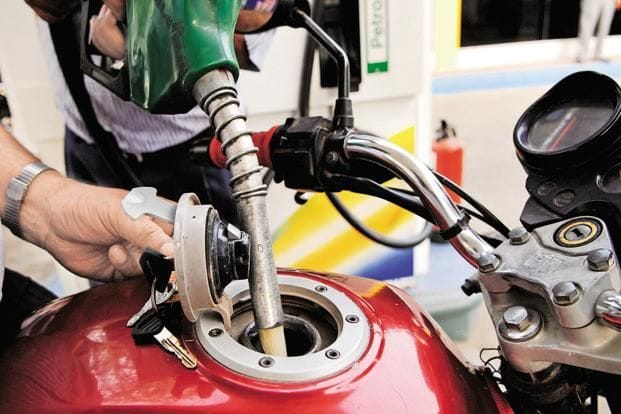
Fuel prices rise again at a petrol pump in Delhi, adding pressure on commuters, traders, and daily wage earners across India.
Fuel prices across India climbed again on Tuesday, with petrol and diesel becoming costlier by around 90 paise per liter in several major cities. In Delhi, petrol rose to Rs 98.64 per liter from Rs 97.77, while diesel increased to Rs 91.58 from Rs 90.67, according to PTI. This is the second hike within a week, after an earlier increase of Rs 3 per liter on Friday.
The latest revision has renewed concern among consumers, especially daily wage earners, street vendors, small traders, and office commuters who depend on fuel-driven travel every day. As global crude oil prices remain elevated, state-run oil marketing companies have once again passed on part of the pressure to consumers. Yeh issue kaafi important hai because even a small fuel hike quickly affects transport costs, household budgets, and market prices.
What Changed
The price increase was not limited to Delhi. Mumbai saw petrol rise by 91 paise to Rs 107.59 per liter and diesel by 94 paise to Rs 94.08. Kolkata recorded the steepest petrol increase among the metros at 96 paise, taking petrol to Rs 109.70 per liter, while diesel went up by 94 paise to Rs 96.07. Chennai also saw a rise, with petrol up by 82 paise to Rs 104.49 and diesel by 86 paise to Rs 96.11. NDTV has covered the full story.
These revisions matter because fuel prices in India are reviewed daily and can change based on international crude trends, exchange rates, and taxes. When global oil becomes more expensive, retail rates in India often rise too, especially if oil marketing companies choose to pass on the pressure quickly. In practical terms, this means a delivery rider, cab driver, or street seller can feel the impact within hours, not weeks.
Why Prices Are Rising
The immediate reason behind the hike is rising global crude oil prices. When crude moves up in the international market, import costs rise for India, which depends heavily on foreign oil. That cost pressure then filters down to retail fuel prices unless absorbed temporarily by oil companies.
There is also a larger geopolitical backdrop. Some consumers referenced the ongoing war situation as one of the reasons for the price stress. While the exact market response depends on supply, shipping routes, and crude production decisions, geopolitical tension often creates volatility in energy markets. For India, which imports most of its crude needs, even a modest increase in global prices can create a noticeable ripple effect at the pump.
Public Reaction
The hike has drawn immediate concern from commuters and daily earners. A garment seller in Delhi said the rise was especially painful for people who depend on daily income. “I work in the clothing business and sell garments on the streets. My livelihood depends on daily earnings, and now the increase in fuel prices is creating problems for us,” he said.
Another commuter in the national capital said he learned about the increase while heading to work. He linked the rising prices to the broader war situation, saying conditions remain strained in many countries. In Basti, Uttar Pradesh, a local resident said the rise felt unavoidable and added that it was manageable only for those in regular jobs. In Chandigarh, another resident urged the government to control the situation and appealed for lower petrol and diesel prices.
These reactions reflect a common reality in India: fuel price changes do not stay confined to headline figures. They shape what people pay for transport, goods, food delivery, and even small business operations. A little increase may look small on paper, but for millions, it adds up quickly.
Background
India’s fuel pricing system has long been linked to global crude movements, domestic taxes, and company-level pricing decisions. Since petrol and diesel prices are revised daily, consumers often see frequent fluctuation rather than long-term stability. In metro cities, where taxes and transport costs are higher, prices are usually steeper than in smaller towns.
Recent weeks have seen renewed upward pressure because global markets have remained tense and oil prices have been firming. When crude prices rise sharply over several days, Indian retail prices often follow with a lag or in immediate steps. The second hike in under a week suggests that the current environment is not temporary, at least from the perspective of pricing pressure. That is why households are watching this trend closely.
Timeline
Friday: Petrol and diesel prices were increased by Rs 3 per liter.
Tuesday: Another hike of around 90 paise per liter was announced.
Delhi: Petrol moved to Rs 98.64 and diesel to Rs 91.58.
Mumbai, Kolkata, Chennai: Similar increases were recorded across the metros.
Now: Consumers and traders are feeling the pressure of back-to-back hikes.
Also Read: CNG Price Hike in Delhi: Second Increase in Two Days Pushes Fuel Costs Higher
Why This Matters
Fuel price hikes matter because they affect nearly every part of the economy. Transport becomes more expensive, logistics costs rise, and the cost of moving goods from one city to another increases. When that happens, prices of vegetables, milk, packaged items, and even restaurant meals can inch up over time.
They also matter for ordinary workers who travel daily for jobs. A delivery worker, auto driver, cab operator, or market vendor may not be able to pass on the full burden immediately, which directly squeezes income. In a country like India, where a large section of the population lives close to monthly budget limits, even a small petrol or diesel increase can create real stress. Yeh issue kaafi important hai because it affects both inflation and daily survival.
India Angle
For Indian readers, this is not just a fuel story—it is a household story. In cities like Delhi, Mumbai, and Kolkata, where public transport and private vehicles both matter, fuel prices influence commute choices and monthly budgets. In smaller towns and semi-urban belts like Basti, people often feel these changes through transport fares and market prices even if they do not own personal vehicles.
The reaction from everyday citizens also shows how inflation reaches people through multiple routes. A street seller, a daily commuter, and a Chandigarh resident all described the issue in plain terms: the increase is being felt immediately. That is the India angle in its clearest form. Fuel prices are not just numbers on a board; they are part of the cost of living. In simple Hinglish, jab fuel mehenga hota hai, to sab kuch slowly mehenga feel hone lagta hai.
Analysis
My view is that the bigger concern is not just this one hike, but the pattern of repeated increases within a short period. A single 90-paise rise may feel manageable, but when hikes come back-to-back, the pressure builds fast. What makes it more significant is that the burden spreads indirectly into food, transport, and services. The public reaction quoted from Delhi, Basti, and Chandigarh is telling because it shows how the issue is understood on the ground: not as market jargon, but as a hit to monthly finances.
What’s Next?
The next few days will depend largely on the direction of global crude oil prices. If crude stays elevated, more increases may follow. If international markets cool down or oil companies absorb some of the pressure, the pace of hikes could slow.
Consumers should expect continued volatility rather than immediate relief. That means transport operators, traders, and households may need to budget more carefully in the short term. Policymakers may also face questions about whether any stabilizing measures are needed if prices continue climbing. For now, the most likely scenario is continued monitoring, with fuel rates remaining sensitive to every change in the global oil market.
Conclusion
Tuesday’s fuel price revision has once again pushed petrol and diesel higher across major Indian cities, with Delhi, Mumbai, Kolkata, and Chennai all seeing fresh increases. The second hike in less than a week comes at a time when global crude prices remain firm, adding to the financial stress on commuters, small traders, and daily earners.
While the increase may appear modest on paper, its real-world impact is wide and immediate. From transport bills to grocery prices, the effects of rising fuel costs travel far beyond petrol pumps. For now, Indian consumers are bracing for more volatility, and the question is whether this is a short spike or the start of a longer stretch of expensive fuel.
Written By A. Jack